8 Protein-Rich Indian Breakfasts That Rival Eggs
8 Protein-Rich Indian Breakfasts That Rival Eggs
Breakfast in many Indian homes has never relied on eggs alone to deliver nourishment. Long before protein charts and fitness trackers became common, everyday morning meals were already built around lentils, dairy, whole grains, nuts and fermented batters. These ingredients quietly provide steady energy, fibre and protein that help keep the body satisfied for hours.
Nutrition experts generally recommend about 0.8–1 gram of protein per kilogram of body weight per day. For someone weighing around 60–70 kg, that translates to roughly 48–70 grams daily, ideally spread across different meals. Starting the day with a protein-rich breakfast supports muscle repair, stabilises energy levels and reduces mid-morning hunger.
Traditional Indian kitchens offer several options that match or sometimes even surpass the protein content of eggs, while also bringing in complex carbohydrates and digestive benefits. Here are eight breakfasts that prove protein-packed mornings can still feel familiar, comforting and rooted in local food traditions.

1. Sattu Paratha
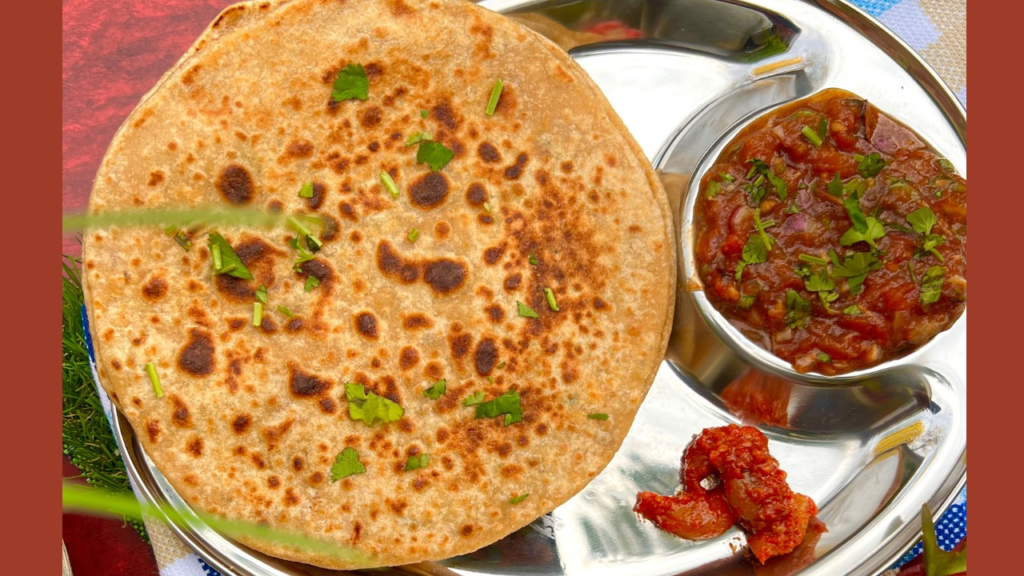
Protein: 15–17 g per paratha
Roasted gram flour, known as sattu, forms the heart of this filling breakfast. The flour is mixed with chopped onions, green chillies, ajwain, lemon juice and mustard oil to create a fragrant stuffing. This mixture is placed inside whole-wheat dough, rolled carefully and cooked on a hot tawa with a small amount of ghee until golden spots appear.
Mustard oil gives the filling its sharp rustic aroma while lemon juice balances the flavour with brightness. Raw onions can also be added for extra crunch.
When heated, sattu releases a deep nutty fragrance that reflects the essence of traditional home cooking. The spice blend and roasted gram create a stuffing that feels hearty but not heavy, making it suitable for mornings that require slow, sustained energy.
Pressing the edges firmly after filling ensures the stuffing stays sealed while cooking. Medium heat allows the paratha to cook evenly so the filling warms thoroughly while the outer layer becomes soft with a light crispness.
Keeping the stuffing slightly crumbly instead of moist helps the paratha roll smoothly without tearing. A light dusting of flour prevents sticking and ensures even cooking. Traditionally, it is enjoyed with curd or pickle, providing a satisfying mix of protein and fibre.
2. Hung Curd Parfait with Nuts and Seeds
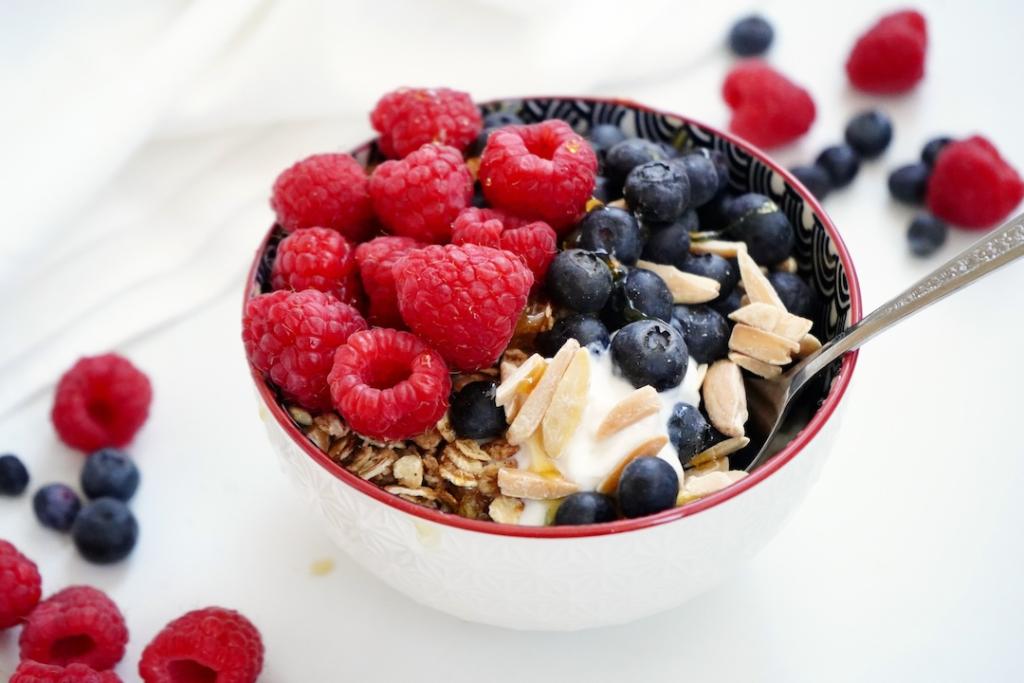
Protein: 17–20 g per serving
Hung curd is created by tying regular yogurt in a muslin cloth for a few hours to drain excess whey. The result is a thick, creamy base that works perfectly for a layered breakfast bowl.
The hung curd is whisked gently to remove graininess before being spooned into a bowl and layered with roasted almonds, walnuts, pumpkin seeds and seasonal fruits.
Whisking the curd beforehand helps create a smoother texture and ensures the toppings distribute evenly. The bowl becomes more satisfying because of the contrast in textures: creamy yogurt, crunchy nuts and juicy fruit.
Chilling the hung curd briefly before assembling the bowl enhances its creaminess and helps the layers hold their structure better. It also allows the natural tang of yogurt to balance the sweetness of fruits.
A drizzle of honey or a few chopped dates can add gentle sweetness, turning the dish into a probiotic-rich breakfast packed with protein.
3. Peanut Poha
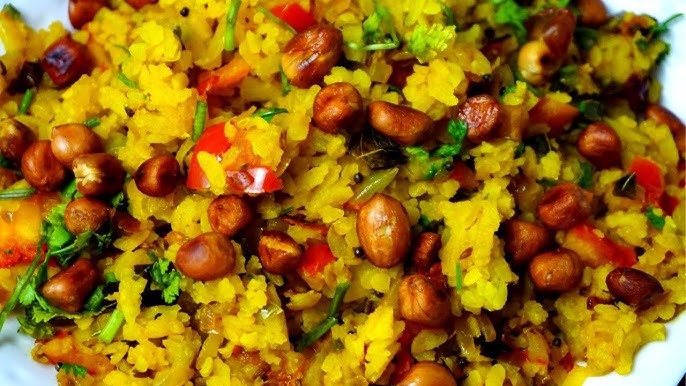
Protein: 11–13 g per serving
This quick breakfast combines flattened rice with protein-rich peanuts. Thick poha is rinsed briefly and set aside while mustard seeds, curry leaves and green chillies are tempered in oil.
Roasted peanuts and chopped onions are added next, followed by turmeric and the softened poha. The mixture is tossed gently so the flakes remain light and fluffy.
Allowing the poha to sit on low heat for a minute after mixing helps the flavours blend without turning the flakes mushy. This step lets the turmeric and tempering coat each grain evenly.
Finally, fresh coriander and a squeeze of lemon juice brighten the dish. The peanuts add both crunch and protein, making the simple preparation more nourishing while keeping it comforting and quick.
4. Moong Dal Chilla
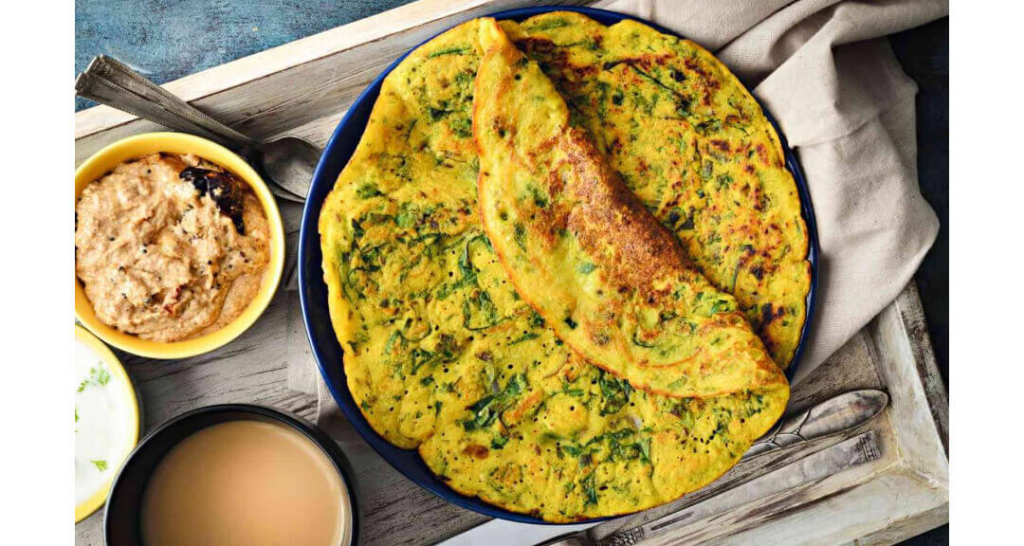
Protein: 14–16 g per serving (2 medium chillas)
Split yellow moong dal is soaked for about three to four hours and then ground with ginger, green chillies and a little water to form a smooth batter. Salt and chopped onions or coriander can be mixed in for additional flavour.
Allowing the batter to rest briefly helps the lentils absorb moisture fully, improving texture and making the chillas softer inside while still crisp around the edges. This short resting period also helps the flavours combine naturally.
Whisking the batter lightly introduces air, which prevents the chillas from becoming dense and helps them cook evenly. If the batter feels too thick, a splash of water allows it to spread smoothly on the pan.
A ladleful of batter is poured onto a hot pan, spread gently and cooked with a few drops of oil until golden on both sides. Serving it with curd or mint chutney can further boost the protein content.
5. Paneer Bhurji with Multigrain Roti
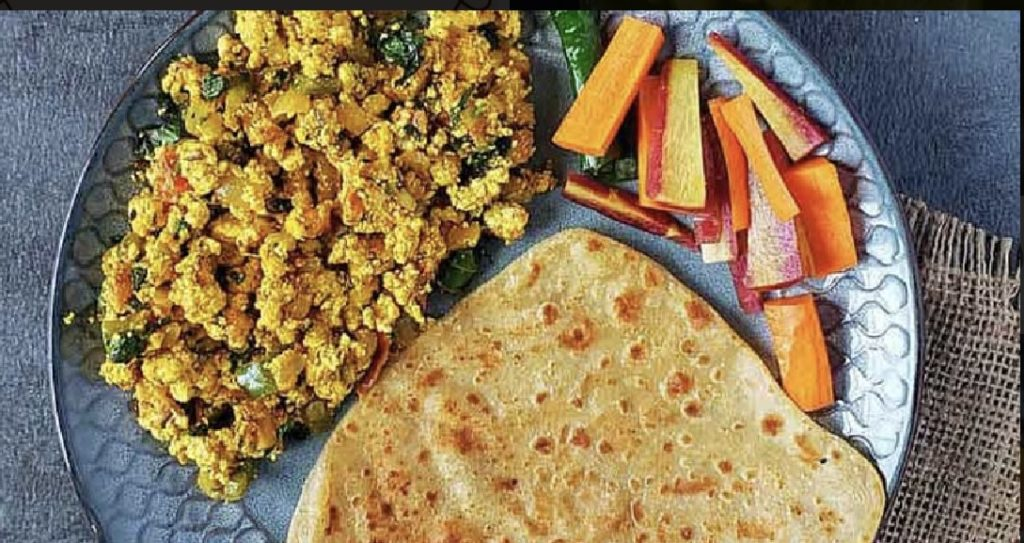
Protein: 18–20 g per serving
This dish starts with sautéing chopped onions, tomatoes and green chillies in a small amount of oil along with spices such as turmeric and cumin. As the mixture softens, the spices release a warm savoury aroma. A pinch of black pepper or garam masala can deepen the flavour.
Fresh paneer is crumbled directly into the pan and cooked for about three to four minutes until soft and fragrant. The dish is finished with chopped coriander and served with a multigrain roti or whole-grain toast.
Paneer bhurji remains a popular everyday meal because it cooks quickly yet feels comforting and filling. It is suitable for busy mornings or even a light dinner when something simple and nourishing is needed.
For extra texture and nutrition, soaked chia seeds or crushed flaxseeds can be sprinkled in before turning off the heat. Adding chopped capsicum or spinach introduces more fibre and colour without making the dish heavy.
In the Garhwal hills of Uttarakhand, festive meals around Holi often highlight the region’s nourishing mountain foods. Plates may include slow-cooked mutton curry paired with mandua (finger millet) rotis and bhaang ki chutney, a condiment made from roasted hemp seeds blended with coriander, garlic, lemon and spices. Despite the name, the chutney is non-intoxicating and valued for its earthy flavour. Such combinations reflect Himalayan cooking traditions designed to provide warmth and sustained energy.
6. Sprouted Moong Salad or Usal
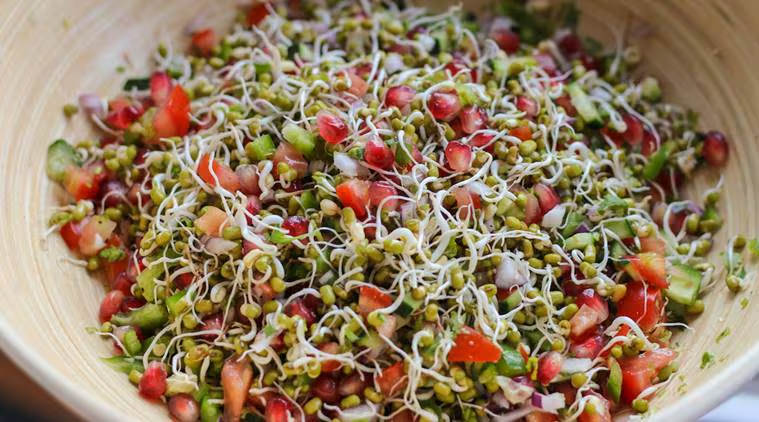
Protein: 14–15 g per bowl
Whole green moong is soaked overnight and then allowed to sprout for about a day. The sprouts can either be lightly sautéed with mustard seeds, curry leaves and turmeric or simply served raw.
For a fresh salad version, the sprouts are tossed with onions, tomatoes, lemon juice and chaat masala. Adding grated carrot, cucumber or pomegranate seeds brings freshness and mild sweetness while increasing fibre.
Sprouted moong has long been valued for being both nutritious and easy to digest. Unlike heavier protein sources, it provides energy without making the body feel weighed down, making it suitable for warm mornings or light meals.
The preparation is versatile and can easily shift from breakfast to lunch depending on how it is seasoned. A spoon of homemade chutney, lime juice or chopped green chillies can instantly brighten the flavours.
Sprouting also improves nutrient absorption by breaking down complex compounds and increasing vitamin levels. Rinsing the sprouts during the process helps maintain freshness and prevents bitterness. Paneer cubes can also be added for extra protein.
A drizzle of cold-pressed mustard oil or roasted peanuts can enhance both flavour and texture, turning the bowl into a satisfying and wholesome meal.
7. Adai Dosa (Mixed Lentil Dosa)
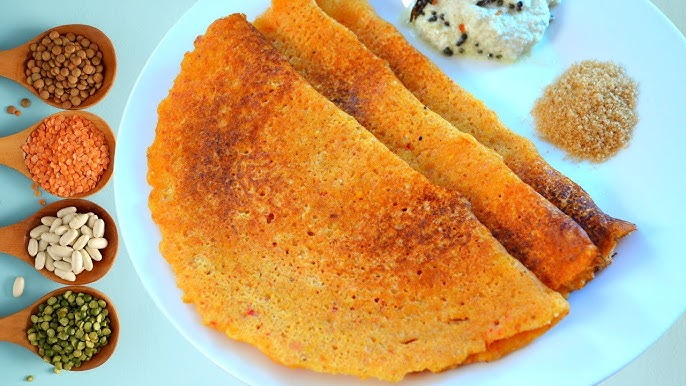
Protein: 16–18 g per 2 dosas
Adai is made by soaking a combination of toor dal, chana dal, urad dal and a small portion of rice for four to five hours. The mixture is then ground into a slightly coarse batter along with dried red chillies and cumin.
Unlike regular dosa batter, this version is richer in lentils, giving it more protein and fibre. Adding ginger or a few curry leaves while grinding can enhance flavour and support digestion.
A pinch of asafoetida (hing) or crushed black pepper may also be added for warmth and aroma while balancing the heaviness of lentils.
Allowing the batter to rest briefly helps the lentils hydrate evenly and encourages mild natural fermentation. This improves both digestibility and flavour without making the dosa overly sour.
The batter is spread thicker than a standard dosa on a hot tawa and cooked with a drizzle of oil until crisp outside and soft inside. It is commonly served with coconut chutney or avial.
8. Besan Chilla
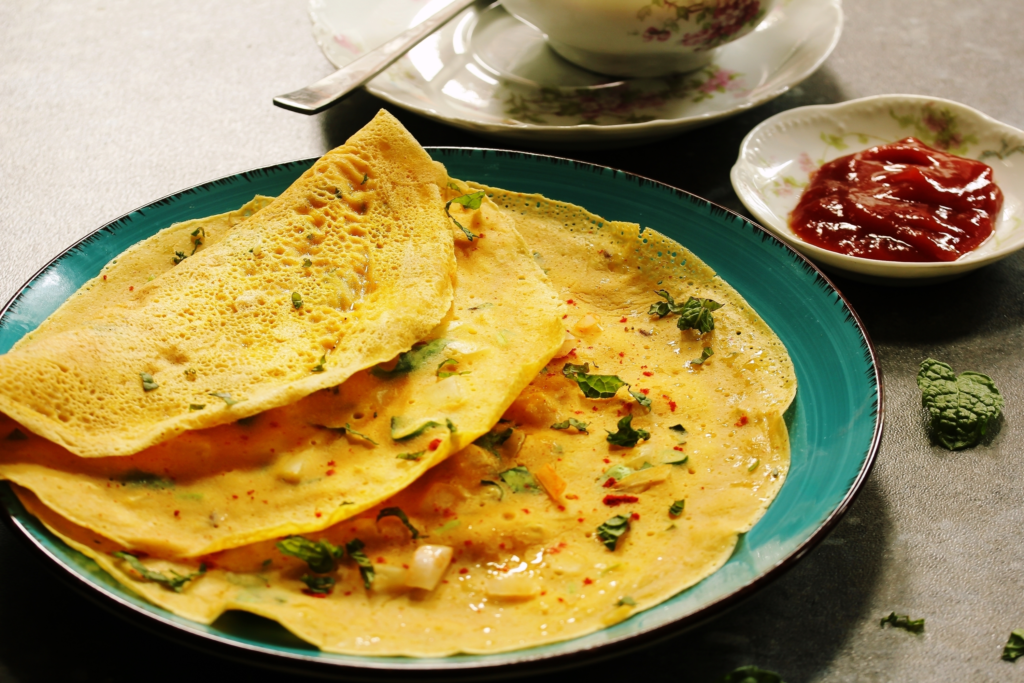
Protein: 12–14 g per serving
Gram flour is whisked with water, turmeric, chilli powder and salt to form a smooth batter. Finely chopped onions, tomatoes and spinach are mixed in for flavour and texture.
A squeeze of lemon juice or a spoon of yogurt can be added to give the batter a mild tang and help keep the chilla soft inside while cooking.
Whisking the batter for a minute or two introduces air, making the chilla lighter rather than dense. The consistency should be fluid enough to spread easily on a hot pan. If it becomes too thick, a splash of water helps; if too thin, a little extra besan balances it.
A pinch of ajwain or cumin enhances digestion and adds an earthy aroma. Fresh coriander and green chillies brighten the flavour while vegetables release moisture that keeps the texture tender.
Letting the batter rest for a few minutes allows the gram flour to hydrate fully and improves binding. The mixture is then poured onto a heated pan like a thin pancake and cooked until lightly crisp at the edges.Serving it with yogurt or stuffing it with paneer increases the protein content while keeping the meal light and satisfying.