8 Refreshing Regional Buttermilk Drinks From India Perfect for Beating the Summer Heat
8 Refreshing Regional Buttermilk Drinks From India Perfect for Beating the Summer Heat
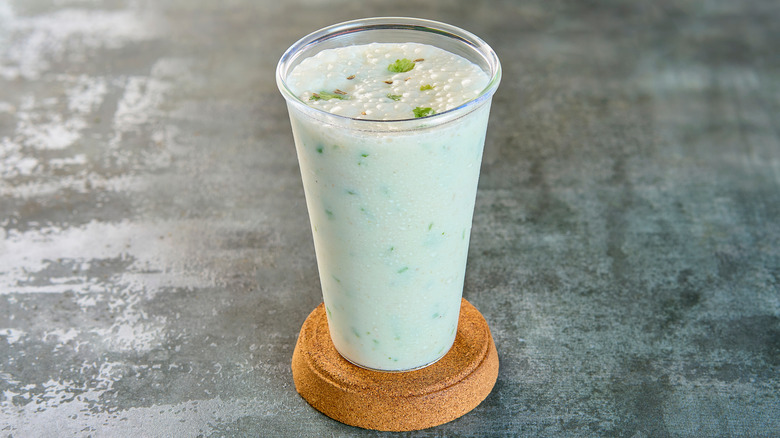
A glass of chilled buttermilk has long been one of India’s simplest yet most effective ways to beat the summer heat. Light on the stomach and rich in probiotics, this traditional drink does far more than just cool the body—it aids digestion, restores energy, and helps maintain overall gut health. Its ability to refresh instantly while also offering nutritional benefits makes it a daily essential in many households during hot months. What makes buttermilk even more interesting is how it transforms across regions, taking on local flavours, ingredients, and cultural significance while still holding onto its core essence.
Neer Mor, Tamil Nadu
A classic from Tamil Nadu, neer mor is a diluted version of buttermilk that’s both light and incredibly refreshing. The term itself translates to “watered buttermilk,” but its simplicity is elevated through a subtle tempering of sattvik spices. Traditionally prepared during Ram Navami, it is first offered as prasad before being shared with others. The addition of spices not only enhances flavor but also boosts its electrolyte and calcium content, making it ideal for hydration and detox.

Sambaram, Kerala
In Kerala, sambaram—also known as morum vellam—is a spiced buttermilk that’s both quick to prepare and deeply satisfying. Made with green chillies, ginger, curry leaves, and sometimes crushed spices, this drink is often chilled for a few hours to let the flavors infuse thoroughly. It’s a daily go-to for many, especially those working outdoors, thanks to its instant cooling and hydrating properties.
Mattha, Bihar
Often mistaken for chaas, mattha stands apart with its bold blend of sweet and spicy flavors. Widely served as a welcoming drink in households, it’s known for its rich taste and digestive benefits. Whether consumed after meals or on an empty stomach, mattha helps soothe the gut and ease discomfort, making it both a treat and a remedy.
Vaghareli Chaas, Gujarat
This Gujarati specialty takes buttermilk to another level with a flavorful tempering. Roasted cumin, curry leaves, and green chillies are typically added to enhance its cooling properties. There are two popular styles—one where the tempered oil is poured over buttermilk, and another where buttermilk is added over a hot chilli-garlic tempering. While the former is more common in urban settings, the latter is a traditional Kathiyawari favorite, often paired with meals like rotla or khichri.
Thambuli, Karnataka
Thambuli is more than just a drink—it’s a light, soothing broth made from buttermilk or yogurt and a variety of herbs or vegetables. Ingredients like brahmi leaves, ginger, ash gourd, or even banana stem are used to create different versions. Known for its medicinal qualities, thambuli is especially popular during summer and seasonal transitions, helping the body stay cool and balanced.
Mohi, Sikkim
Rooted in Nepali culture, mohi is a probiotic-rich buttermilk drink widely consumed in Sikkim and nearby regions. Prepared using traditional wooden churners, it carries a slightly tangy and spicy flavor profile. Ingredients like roasted cumin, mint, ginger, and even Sichuan pepper (timur) are often added for depth. Farmers frequently rely on mohi to stay refreshed and energized during long hours in the sun.
Ghol, West Bengal
A summer staple in Bengal, ghol is a lightly sweetened and spiced buttermilk drink. A standout variation uses gondhoraj lebu, a fragrant lime that gives it a distinctive citrusy aroma. Along with yogurt and sugar, spices like cumin, coriander, and fenugreek seeds are sometimes added, creating a balanced drink that’s both refreshing and flavorful.
Gurus, Kashmir
In Kashmir, buttermilk is traditionally prepared through an intricate churning process that separates butter from fermented milk. What remains is gurus—a light, slightly tangy drink that cools the body and aids digestion. Once a daily ritual in many homes, this labor-intensive method is slowly fading, though it remains a cherished part of the region’s culinary heritage.