Adhik Maas Special: The Story And Symbolism Behind The Oti Bharane Ritual
Adhik Maas Special: The Story And Symbolism Behind The Oti Bharane Ritual
June 9, 2026: With Adhik Maas, also known as Purushottam Maas, being observed from May 17 to June 15, 2026, many Hindu families are following traditional rituals associated with the sacred month. Among these customs is the practice of oti bharane, a ceremony in which married women offer gifts and auspicious items to other women as a symbol of blessings, prosperity and fertility.
However, a question that often arises during Adhik Maas is why married daughters are encouraged to fill their mother’s oti but not their mother-in-law’s.

According to Hindu traditions, a mother is regarded as a form of Goddess Lakshmi and the embodiment of maternal energy. Religious beliefs suggest that honouring one’s mother during Adhik Maas brings blessings, prosperity and harmony to the family. As a result, married daughters often perform the ritual for their mothers during this auspicious period.

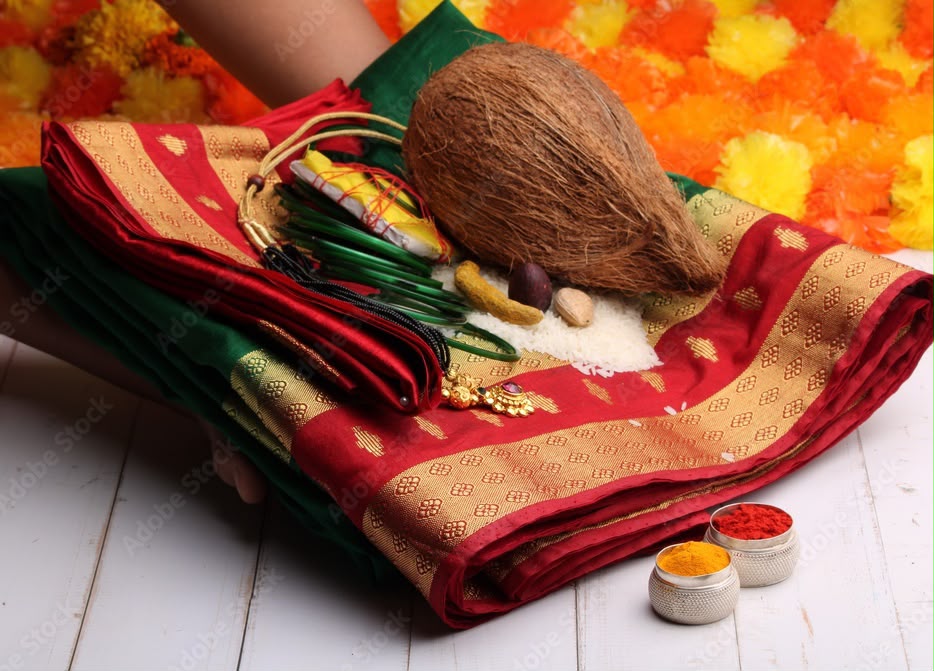
The ritual involves placing items such as rice, turmeric, coconut, betel nut and fruits in the fold of a woman’s saree. Symbolically, the ceremony represents blessings for prosperity, fertility, happiness and well-being. It is considered a mark of respect for womanhood and motherhood.
Traditional beliefs hold that the relationship between a daughter and her mother differs from that between a daughter-in-law and her mother-in-law. In many families, the custom of filling the oti during Adhik Maas is limited to a woman’s mother, daughter, son-in-law or other married women within the family.
Religious explanations suggest that a mother-in-law is already regarded as the Lakshmi of her own household. Some traditions also believe that the blessings symbolically received by a daughter-in-law from her mother-in-law at the time of marriage cannot be returned through the oti bharane ritual. Because of this, many communities do not follow the practice of daughters-in-law filling their mother-in-law’s oti during Adhik Maas.
Religious scholars and cultural observers note that customs related to Adhik Maas can vary significantly between regions and families. While many households follow the traditional practice of filling a mother’s oti, others may have different customs based on local beliefs and family traditions.
As with many Hindu rituals, the significance of the practice lies not only in the ceremony itself but also in the values of respect, gratitude and family bonding that it represents.