Watch: 7 Safety Lessons Every Parent Should Teach Children To Stay Safe Around Strangers
Watch: 7 Safety Lessons Every Parent Should Teach Children To Stay Safe Around Strangers
Experts say that while honesty remains important, children should also learn certain safety responses that can help protect them from strangers and dangerous situations.
Parents often teach children that telling the truth is a virtue and that lying is wrong. However, child safety experts say there are situations where children may need to give misleading answers to protect themselves from strangers and potential threats.

According to guidance shared by an expert associated with a police training centre, these simple safety habits can help children avoid dangerous situations when they are away from their parents.
Never Say They Are Home Alone
If a stranger knocks on the door and asks whether parents are at home, children should never reveal that they are alone.

Instead, they can say that their parents are at home but are currently busy. This can discourage people with harmful intentions from targeting the household.
Refuse Rides From Strangers
Children should never accept lifts from unknown people while returning from school, tuition classes or other activities.
If someone offers a ride, experts suggest children firmly refuse and say that their parents are already on the way to pick them up.
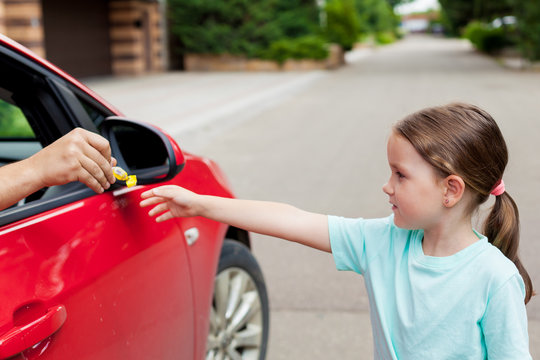
Do Not Accept Gifts Or Treats
Strangers sometimes try to gain a child’s trust through chocolates, toys, snacks or gifts.
Children should be taught to politely refuse such offers and move away. A useful response could be: “My parents are nearby.”
Never Keep Secrets From Parents
Experts warn that if anyone tells a child, “Don’t tell your parents,” it should immediately raise concern.
Children should understand that no matter who asks them to keep a secret, they should always inform a trusted parent or guardian about the incident.
Protect Personal Information
Children should never share sensitive information such as:
- Home address
- Parents’ phone numbers
- Family details
- School information
If a stranger asks for such details, children should be taught to refuse and avoid continuing the conversation.

Know Whom To Approach For Help
If a child gets lost in a crowded place, panic can make the situation worse.
Experts recommend teaching children to seek help from trusted adults such as:
- Police officers
- Security personnel
- Women with children
- Families in public places
Scream And Attract Attention If Threatened
If a child feels someone is following them, attempting to grab them, or making them uncomfortable, they should not remain silent.
Children should be encouraged to shout loudly, attract attention and run toward a safe public place immediately.
Why These Lessons Matter
Experts stress that the goal is not to encourage dishonesty but to teach children practical safety skills. In situations involving strangers, protecting personal information, avoiding risky interactions and seeking help quickly can significantly improve a child’s safety.
Teaching children how to respond confidently in uncomfortable situations can help them recognize danger early and protect themselves until trusted adults can assist.
Disclaimer: Child safety advice may vary depending on a child’s age and circumstances. Parents should regularly discuss personal safety, emergency contacts and safe behaviour with their children.