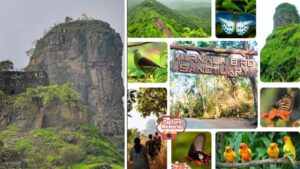
Explore Karnala Fort And Bird Sanctuary: History, Trekking And Nature In One Trip
Explore Karnala Fort And Bird Sanctuary: History, Trekking And Nature In One Trip
Raigad, 9 June 2026: Discover Karnala Fort near Mumbai, a historic hill fort surrounded by lush forests and a famous bird sanctuary. Learn about its history, trek route, and best time to visit.
Karnala Fort is located within the greenery of the Western Ghats. It is one of Maharashtra’s most popular trekking destinations. Located around 60 kilometres from Mumbai and 30 kilometres from Navi Mumbai, the fort attracts history enthusiasts, nature lovers, birdwatchers, and adventure seekers throughout the year. Its combination of historical significance, scenic beauty, and relatively easy accessibility makes it a favourite weekend getaway for visitors from across the state.

Perched at an elevation of about 1,500 feet above sea level, Karnala Fort once served as an important watchtower that controlled trade routes connecting the Konkan coast with the Deccan Plateau. Historians believe the fort was built during the medieval period and later came under the control of several rulers, including the Ahmadnagar Sultanate, the Portuguese, the Marathas, and eventually the British. Its strategic location allowed rulers to monitor movement through the region and safeguard important trade routes.

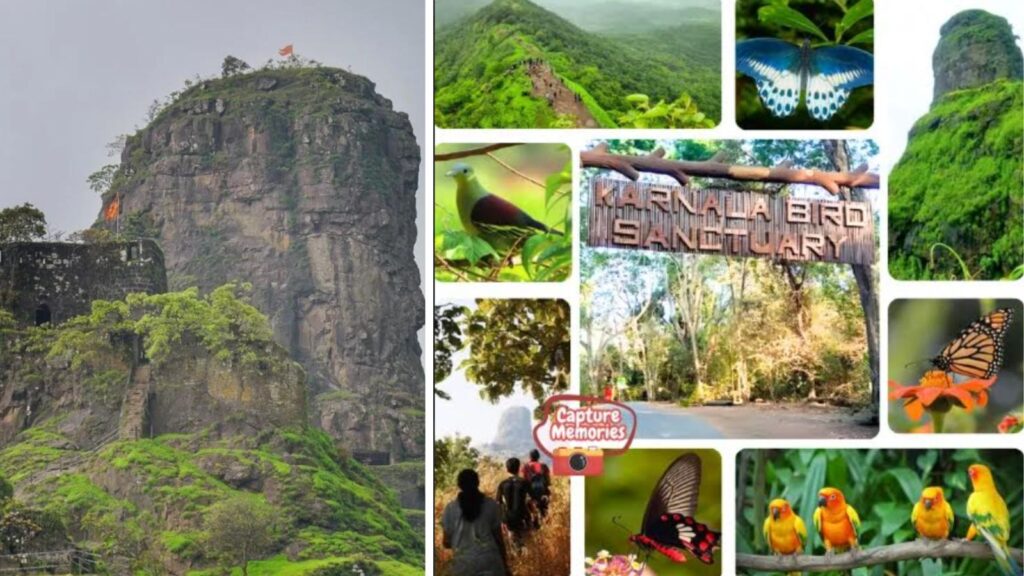
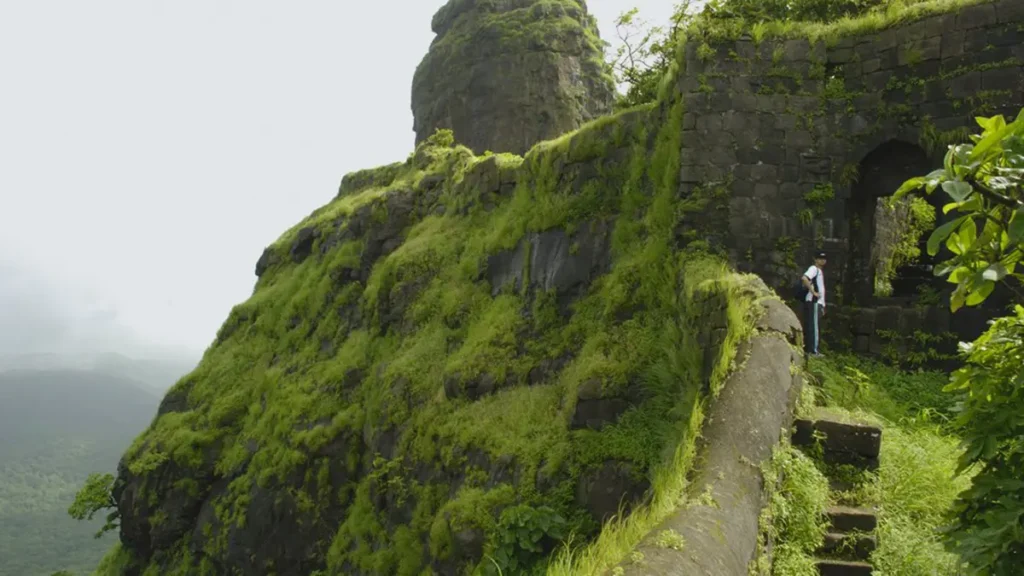
One of the most striking features of the fort is the massive basalt pinnacle known as the “Thumb Peak” or “Pandu’s Tower.” Rising dramatically from the fort’s summit, the natural rock formation can be seen from a considerable distance and has become a landmark for trekkers visiting the area. While the pinnacle itself requires technical climbing skills, visitors can enjoy spectacular views of the surrounding forests and hills from the fort.
The trek to Karnala Fort begins from the base within the Karnala Bird Sanctuary, a protected forest area known for its rich biodiversity. The trail passes through dense vegetation, offering visitors an opportunity to experience the region’s natural beauty. During the monsoon season, the route becomes especially picturesque, with waterfalls, mist-covered hills, and vibrant greenery transforming the landscape into a scenic paradise.
The trek is considered moderately easy and is suitable for beginners as well as experienced hikers. Most visitors can reach the fort in approximately one and a half to two hours, depending on their pace. Along the way, trekkers may spot various species of birds, butterflies, and small wildlife that inhabit the sanctuary.
At the top, visitors can explore remnants of ancient structures, including fortification walls, water cisterns, and ruins that provide a glimpse into the site’s historical past. Although much of the original construction has weathered over time, the surviving structures continue to attract history lovers interested in Maharashtra’s rich heritage.
Karnala Bird Sanctuary
The Karnala Bird Sanctuary, which surrounds the fort, is another major attraction. Spread across several square kilometres, the sanctuary is home to more than 200 species of resident and migratory birds. Birdwatchers frequently visit the area during the winter months when migratory species arrive from different parts of the world. The sanctuary also supports a variety of mammals, reptiles, and plant species, making it an important ecological zone in the region.
The best time to visit Karnala Fort is between June and February. The monsoon season offers breathtaking landscapes and cooler temperatures, while the post-monsoon and winter months provide pleasant weather and clearer views from the summit. Visitors are advised to wear comfortable trekking shoes, carry sufficient water, and follow safety guidelines while exploring the fort and sanctuary.
Today, Karnala Fort stands as a reminder of Maharashtra’s historical legacy and natural wealth. Whether visitors are seeking a short trekking adventure, a chance to learn about regional history, or an escape into nature, Karnala Fort offers a memorable experience that combines all three. Its proximity to major cities and its unique blend of heritage and biodiversity continue to make it one of the state’s most cherished travel destinations.