Cyclone Horacio Becomes World’s First Category 5 Storm of 2026, Winds Reach 257 kmph |Global Weather Alert
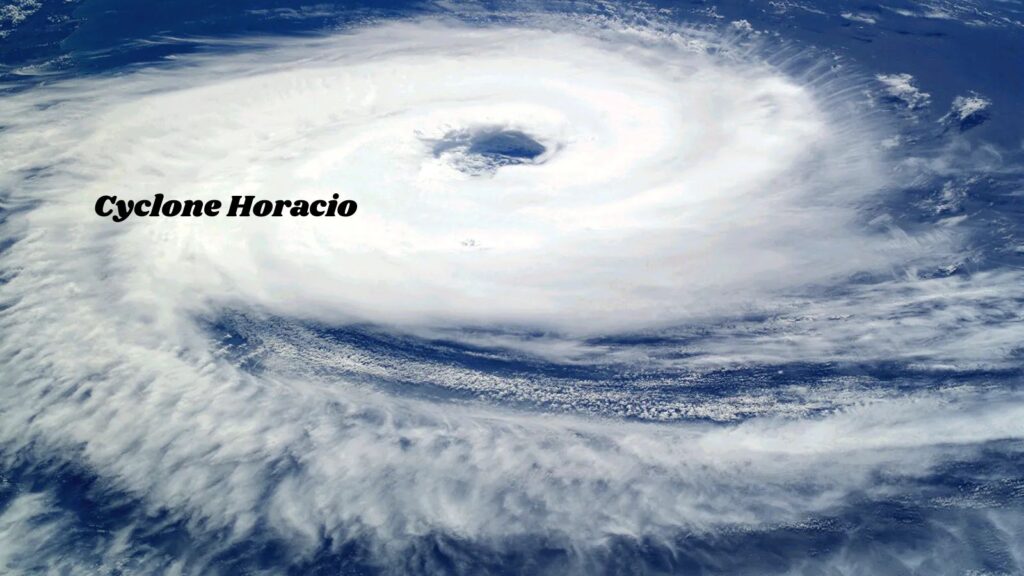
Cyclone Horacio Becomes World’s First Category 5 Storm of 2026, Winds Reach 257 kmph |Global Weather Alert
Nature has unleashed its fury early in 2026 as Cyclone ‘Horacio’ has intensified into the world’s first Category 5 cyclone of the year, triggering global concern. The extremely powerful storm, formed over the southern Indian Ocean, has witnessed a dramatic surge in wind speed, escalating from 104 kmph to 257 kmph within just 24 hours — a phenomenon meteorologists describe as “rapid intensification.”
According to climate experts, this sudden strengthening marks one of the fastest cyclone intensifications recorded this year, highlighting growing climate volatility in tropical regions.
What Does a Category 5 Cyclone Mean?
As per the Saffir–Simpson Hurricane Wind Scale, a cyclone is classified as Category 5 when wind speeds exceed 250 kmph, making it the most destructive category of tropical storms.

Such cyclones have the potential to:
- Rip off building roofs
- Uproot large trees
- Destroy power and communication networks
- Trigger massive storm surges
- Cause severe coastal flooding and infrastructure collapse
Is India at Risk from Cyclone Horacio?
At present, Cyclone Horacio is located far from the Indian coastline, over the southern Indian Ocean, and poses no direct threat to India.
Meteorologists explain that due to equatorial wind circulation patterns, cyclones forming in the Southern Hemisphere rarely cross into the Northern Hemisphere. There is currently no forecasted impact on the Arabian Sea or the Bay of Bengal.
Why Is India Still on Alert?
Although there is no immediate danger, climate experts say Horacio serves as a serious warning sign for cyclone-prone nations like India.
With a coastline stretching over 8,041 km, India remains one of the most cyclone-vulnerable countries in the world. Nearly 10% of global tropical cyclones impact Indian coastal regions. States such as Odisha, West Bengal, Andhra Pradesh, and Gujarat frequently face devastating cyclonic storms.
Memories of destructive cyclones like Phailin (2013) and Amphan (2020) remain fresh, underlining the growing risks posed by intensifying storms.
Climate Change Link
Scientists attribute the increasing frequency and intensity of such powerful cyclones to:
- Rising sea surface temperatures
- Global warming
- Climate change-driven ocean heating
The rapid intensification of Cyclone Horacio is being seen as a clear indicator of future climate threats, reinforcing the urgency for stronger disaster preparedness, early warning systems, and climate resilience planning across vulnerable coastal regions.