Liver Cirrhosis: 7 Foods to Steer Clear of for a Healthier Liver
Liver Cirrhosis: 7 Foods to Steer Clear of for a Healthier Liver
Liver cirrhosis is a long-term condition where healthy liver tissue is gradually replaced by scar tissue, reducing the organ’s ability to function properly. This damage often arises from prolonged liver inflammation caused by excessive alcohol use, obesity, or viral infections. While conditions like fatty liver disease can sometimes be reversed, cirrhosis usually results in permanent damage. Early diagnosis is crucial, as lifestyle changes—especially diet and exercise—can slow disease progression and improve quality of life. Alongside a balanced diet, avoiding certain foods is essential to protect your liver from further harm. Here’s a list of foods that people with liver cirrhosis should limit or avoid entirely.
1. Foods High in Sodium

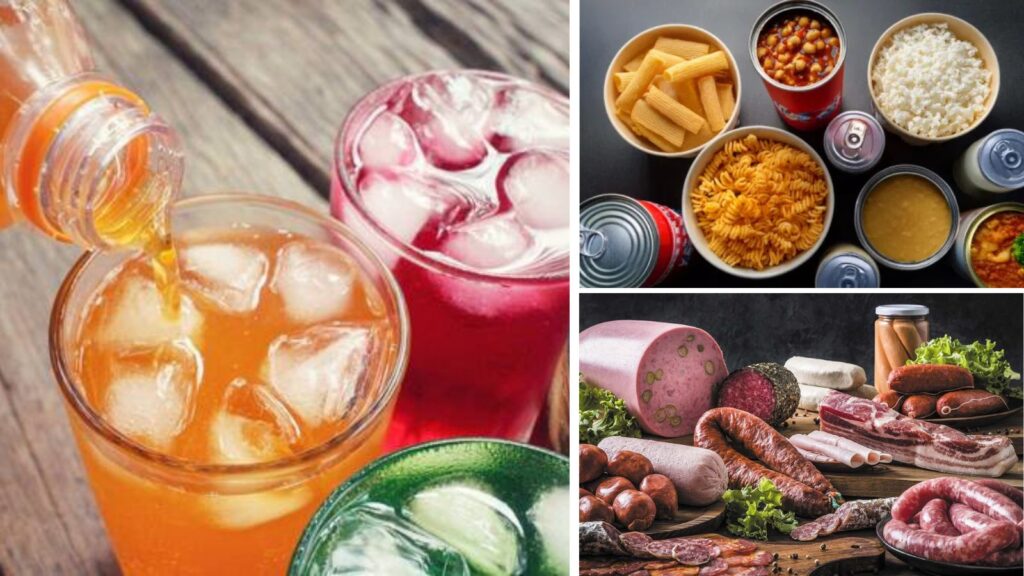
Excess salt can cause your body to retain fluids, worsening swelling in the legs and abdomen (ascites) in those with cirrhosis. Common culprits include canned soups, packaged snacks like chips and namkeen, pickles, instant noodles, and restaurant meals, which often exceed the recommended 1,500–2,000 mg of sodium per day. Reducing salt intake can help manage fluid retention and lower strain on the liver.

2. Alcohol
For anyone with cirrhosis, alcohol is strictly off-limits. Even moderate amounts can harm the remaining healthy liver cells and accelerate scar tissue formation. When the liver prioritizes breaking down alcohol, toxins build up in the body, causing inflammation and oxidative stress. Drinking can also raise ammonia levels, worsening confusion and fatigue. Avoiding alcohol completely is crucial not only to stop further damage but also to give the liver a chance to repair itself. Opt for herbal teas, sparkling water, or other non-alcoholic alternatives instead.
3. Processed and Fried Foods
Deep-fried and highly processed foods—like French fries, samosas, pakoras, and fast-food burgers—can overload the liver with unhealthy fats, additives, and chemical compounds. Repeatedly fried oils produce free radicals that damage liver cells, while empty calories do little to prevent malnutrition. These foods can also negatively impact gut health, allowing bacterial toxins to enter the bloodstream more easily. Steaming, boiling, or air-frying foods with small amounts of healthy oils like olive oil is a safer choice.
4. Red and Processed Meats
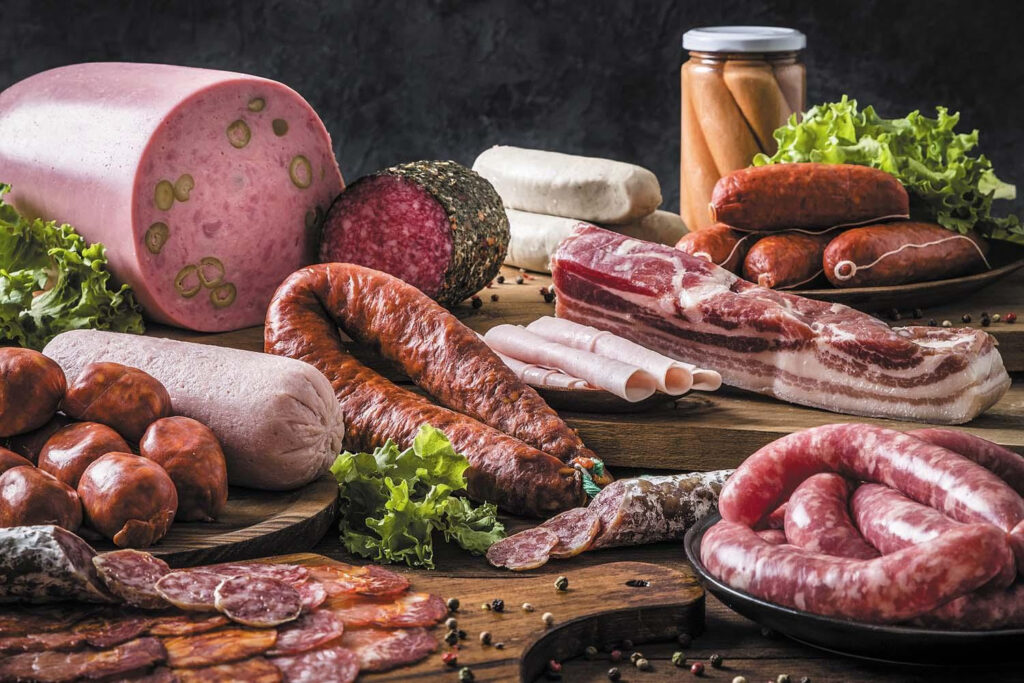
Red meats such as beef, mutton, and pork, along with processed meats like sausages, kebabs, and salami, are harder to digest and high in saturated fats. They also contain heme iron and cholesterol, which can inflame the liver and contribute to atherosclerosis, indirectly increasing liver stress. For protein, focus on easier-to-digest options like lentils, tofu, or egg whites, which support muscle repair without overburdening the liver.
5. Raw or Undercooked Foods
Cirrhosis weakens the immune system, making infections from raw or undercooked foods particularly dangerous. Raw shellfish, sushi, undercooked eggs, and sprouts can harbor harmful bacteria, potentially causing life-threatening conditions like spontaneous bacterial peritonitis or sepsis. Even unwashed greens in salads can carry parasites. Ensure all meats are cooked to at least 165°F (74°C), seafood is steaming hot, and vegetables are thoroughly cleaned, preferably in vinegar solutions.
6. Sugary Foods and Drinks
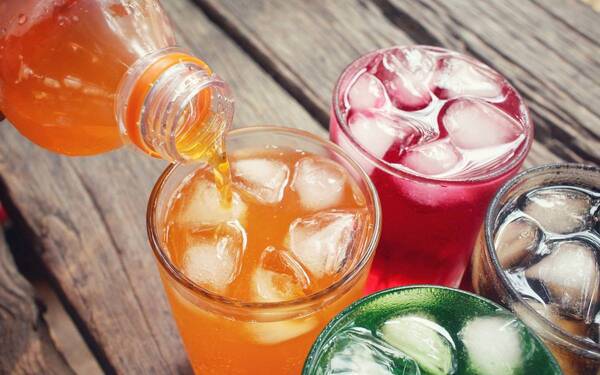
Sugary beverages, sweets, pastries, and refined carbohydrates (like white rice or traditional breads) can spike blood sugar, increasing the risk of insulin resistance and non-alcoholic fatty liver disease alongside cirrhosis. High-fructose corn syrup in sodas and processed drinks directly damages liver cells and promotes fibrosis. Even juices marketed as healthy often contain more sugar than soft drinks. Choose small portions of natural fruits, like an apple, and monitor sugar intake carefully.
7. Full-Fat Dairy and Harmful Fats
High-fat dairy products—including full-cream milk, butter, rich paneer dishes, ghee, and creamy cheeses—place extra strain on the liver. Saturated fats impair bile flow and fat metabolism, which can worsen inflammation and increase gallstone risk. Oils such as palm and coconut, common in many cuisines, can also contribute to liver stress. Opt for low-fat or plant-based alternatives like skim milk, low-fat yogurt, or almond milk whenever possible.
Note: This article provides general information only and should not replace professional medical advice. Always consult a healthcare specialist for guidance tailored to your condition.