Samosa, Jalebi & Pakora Join Cigarettes on Health Alert List; Govt Rolls Out ‘Sugar & Oil’ Warning Boards
Union Health Ministry Denies Warning Labels on Indian Foods; Advisory Focuses on Healthy Eating Awareness
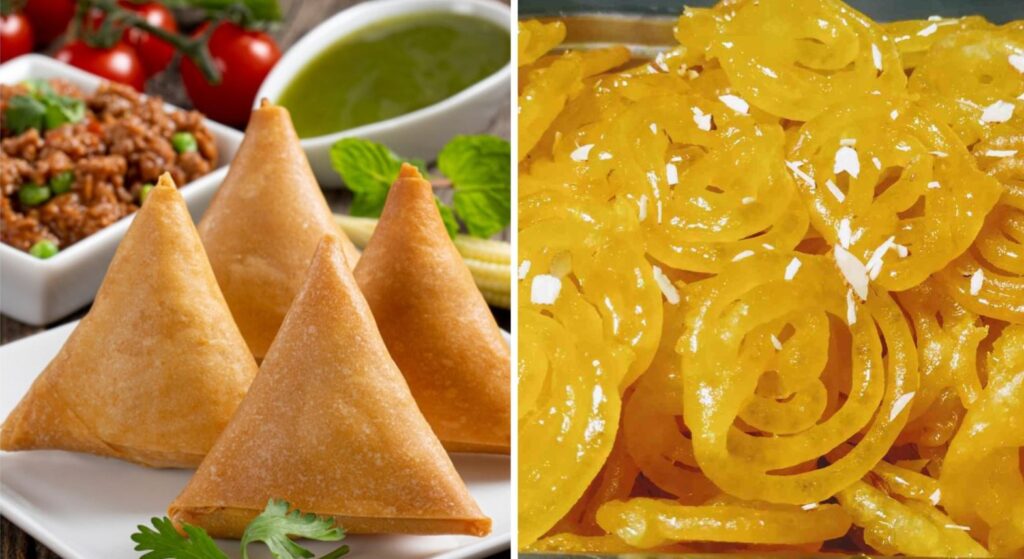
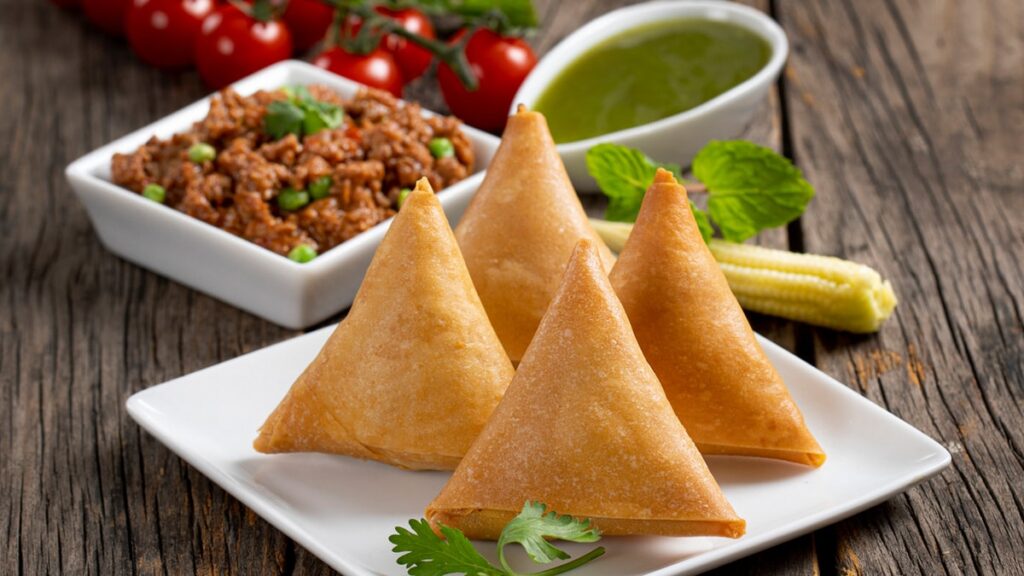
In a first-of-its-kind move to tackle India’s rising obesity crisis, the Government of India has directed all central government institutions—including major hospitals like AIIMS Nagpur—to install eye-catching “oil and sugar boards” next to popular snacks like samosas, pakoras, jalebis, biscuits, and laddoos.
These boards, inspired by cigarette-style warnings, won’t carry graphic images but will prominently display facts about hidden fat, sugar, and calorie content. The goal: to gently nudge citizens toward healthier food choices without banning the foods themselves.
“This could be a game-changer,” said Dr. Amar Amle, President of the Cardiological Society of India, Nagpur chapter. “It’s not about stopping anyone from enjoying jalebis, but about helping people understand what they’re consuming.”

Part of the Fit India Movement championed by Prime Minister Narendra Modi, the campaign comes amid alarming health data: India could have nearly 44.9 crore obese or overweight citizens by 2050, potentially becoming the world’s second most overweight nation after the US.
Currently, about 1 in 5 urban adults is overweight, and rising childhood obesity rates have sparked further concern. “If a board shows that a single gulab jamun contains the equivalent of five teaspoons of sugar, it might prompt people to eat less,” said diabetologist Dr. Sunil Gupta.
Under the directive, all government-run canteens and eateries must put up these colorful warning posters near food counters, making nutritional data as visible as the food itself.

AIIMS Nagpur has already confirmed plans to roll them out soon. The campaign prioritises education over enforcement, aiming to reshape food habits gradually—just as tobacco warnings did over time.
Nagpur is among the first cities to pilot the initiative, which experts have hailed as “timely” given the surge in processed and fried food consumption. While the boards won’t dictate what people can or cannot eat, officials believe informed choices can lead to healthier outcomes.
“This is about shifting mindsets, not imposing bans,” added Dr. Amle. “It could be the start of a bigger cultural change in how we see our food.”