Want Mangoes Throughout the Year? Grow This Special Baramasi Variety at Home
Want Mangoes Throughout the Year? Grow This Special Baramasi Variety at Home
June 9, 2026: Grow Baramasi mangoes in pots or gardens and enjoy fresh mangoes throughout the year. Learn about planting, care, sunlight, and harvesting tips.
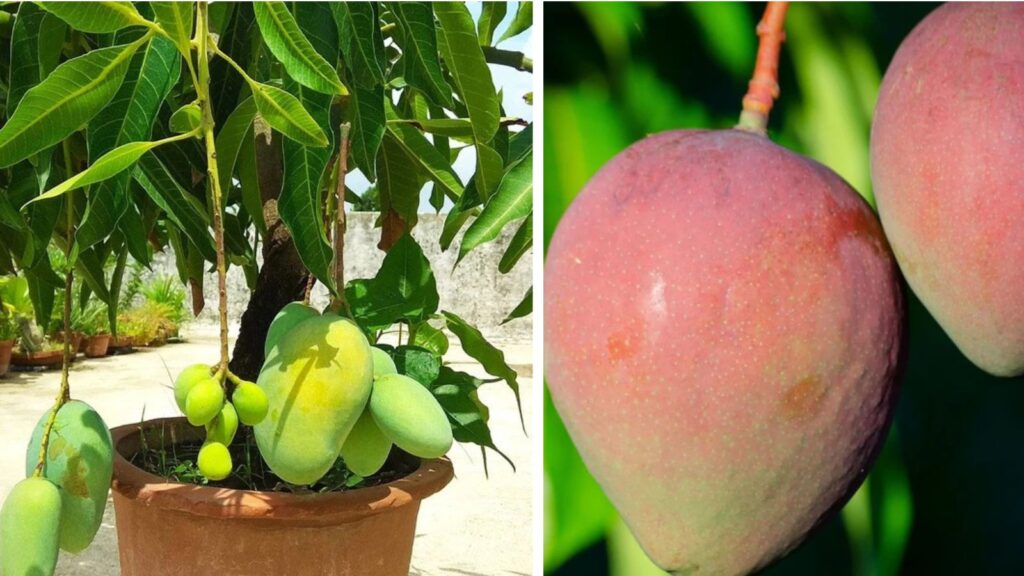
For most people, mangoes are a seasonal treat enjoyed during the summer months. However, a special category of mango plants known as Baramasi mangoes is gaining popularity among home gardeners for its ability to flower and produce fruits multiple times a year. The word “Baramasi” translates to “throughout the year,” making these plants an attractive option for those who want a longer mango-growing season in their own homes.

Unlike traditional mango trees that can grow very large and require significant space, Baramasi mango varieties are comparatively compact and can be grown successfully in pots, terrace gardens, balconies, and small backyards. Their manageable size makes them particularly suitable for urban households where gardening space is often limited. As a result, many gardening enthusiasts are choosing Baramasi mango plants as a practical way to enjoy homegrown fruit without the need for a large orchard.

One of the biggest advantages of growing a Baramasi mango plant is its relatively quick fruit-bearing ability. Gardeners are advised to purchase grafted saplings from reliable nurseries, as these plants typically begin producing fruits much earlier than those grown from seeds. Under proper growing conditions, a healthy grafted plant can start flowering and fruiting within a few years.
The plant thrives in nutrient-rich, well-draining soil and requires plenty of sunlight for healthy growth. Experts recommend placing the plant in an area that receives at least six to eight hours of direct sunlight daily. Whether planted in the ground or in a large container, adequate sunlight plays a crucial role in encouraging flowering and fruit production.
Regular watering is essential, especially during hot and dry weather. However, overwatering should be avoided, as excess moisture can lead to root diseases and poor plant health. A balanced watering schedule that keeps the soil moist without making it waterlogged is ideal. Adding organic compost, vermicompost, or well-decomposed manure every few weeks can further improve growth and support fruit development.
Another reason for the growing popularity of Baramasi mangoes is their ornamental value. The plant’s glossy green leaves, fragrant flowers, and colourful fruits add beauty to balconies, terraces, and home gardens. Many homeowners grow the plant not only for its fruits but also as an attractive addition to their outdoor spaces.
Pruning is an important part of maintaining the tree. Removing dead, damaged, or overcrowded branches helps improve airflow and sunlight penetration, reducing the risk of diseases. Regular pruning also encourages the development of new shoots, which can lead to better flowering and fruiting.
Like other fruit-bearing plants, Baramasi mango trees can occasionally face problems from pests such as aphids, mealybugs, scales, and fruit flies. Inspecting the plant regularly and using organic pest-control methods such as neem oil sprays can help prevent infestations. Good garden hygiene, including removing fallen leaves and damaged fruits, also contributes to healthier plant growth.
Gardeners should also remember that mango plants benefit from seasonal care. During the monsoon, proper drainage is necessary to prevent waterlogging, while summer months may require more frequent watering. Applying mulch around the base of the plant can help retain soil moisture and protect the roots from extreme temperatures.
The fruits are ready for harvest when they develop their characteristic colour, aroma, and slight softness. Homegrown mangoes are often valued for their freshness and flavour, offering a rewarding experience that many gardeners find satisfying. Harvesting fruits directly from one’s own plant also eliminates concerns about excessive chemical treatments sometimes used in commercial cultivation.
As interest in home gardening continues to grow, Baramasi mango plants are emerging as a favourite choice among urban gardeners. Their ability to produce fruits multiple times a year, combined with their compact size and ease of maintenance, makes them ideal for modern homes. For anyone looking to add a fruit-bearing plant to their garden, terrace, or balcony, a Baramasi mango tree can be a productive and visually appealing investment that provides fresh mangoes and greenery for years to come.