Why RBI is Phasing out older Rs.5 coins: Economic Inefficiency and misuse explained
Why RBI is Phasing out older ₹5 coins: Economic Inefficiency and misuse explained
What is the reason behind RBI’s decision to withdraw certain Rs 5 coins from circulation?
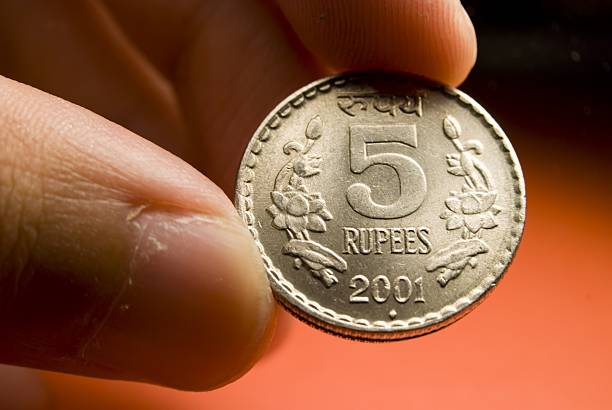
The Reserve Bank of India (RBI) has decided to phase out specific ₹5 coins, particularly the heavier, older versions, due to economic inefficiencies and concerns over their misuse. The coins in question, made of materials with a high market value, were often melted down to create other products, such as blades, which could be sold at a profit. This illegal practice not only led to economic losses but also posed challenges for the authorities in maintaining the integrity of the country’s currency system.
The decision stems from the fact that the cost of producing these coins, coupled with their metal content value, exceeded their face value. If a person were to melt down a 5 rupee coin to produce 5 blades and then sell each blade for Rs 2, resulting in a total income of Rs 10, it would illustrate that the actual value of the metal in the coin exceeds its face value.
Such imbalances make the currency vulnerable to exploitation, with individuals incentivized to misuse them for profit. To curb these issues, the RBI and the central government have jointly taken steps to discontinue the production and circulation of these specific ₹5 coins.

However, the newer brass ₹5 coins, which are lighter and more cost-effective to produce, remain in circulation and continue to be widely accepted for transactions. The RBI has emphasized that this move does not indicate the complete discontinuation of ₹5 coins but rather an effort to ensure the efficient management of the currency system.
One additional factor contributing to the RBI’s decision to phase out the old five-rupee coin was the issue of illegal smuggling to Bangladesh. The coins, composed of metals and produced in significant quantities, became targets for smugglers who exported them across the border. This practice led to a substantial decline in the circulation of these coins within our nation.
The Reserve Bank of India (RBI) must obtain approval from the central government before prohibiting any currency, whether it is a coin or a note that has been discontinued or is in the process of being introduced. At present, coins ranging from one rupee to twenty rupees are actively circulating in India. Additionally, there have been recent reports indicating the issuance of thirty and fifty rupee coins.
At present, the country has two varieties of five-rupee coins in circulation. One type is crafted from brass, whereas the other is made from a denser metal. Notably, the distribution of the thicker coin has seen a recent decline.
At present, neither the central government nor the Reserve Bank of India produces thick metal five-rupee coins. The market predominantly features brass coins instead.