Indian Passport Gets a 2025 Makeover with RFID Chip, Biometric Data, and Enhanced Security
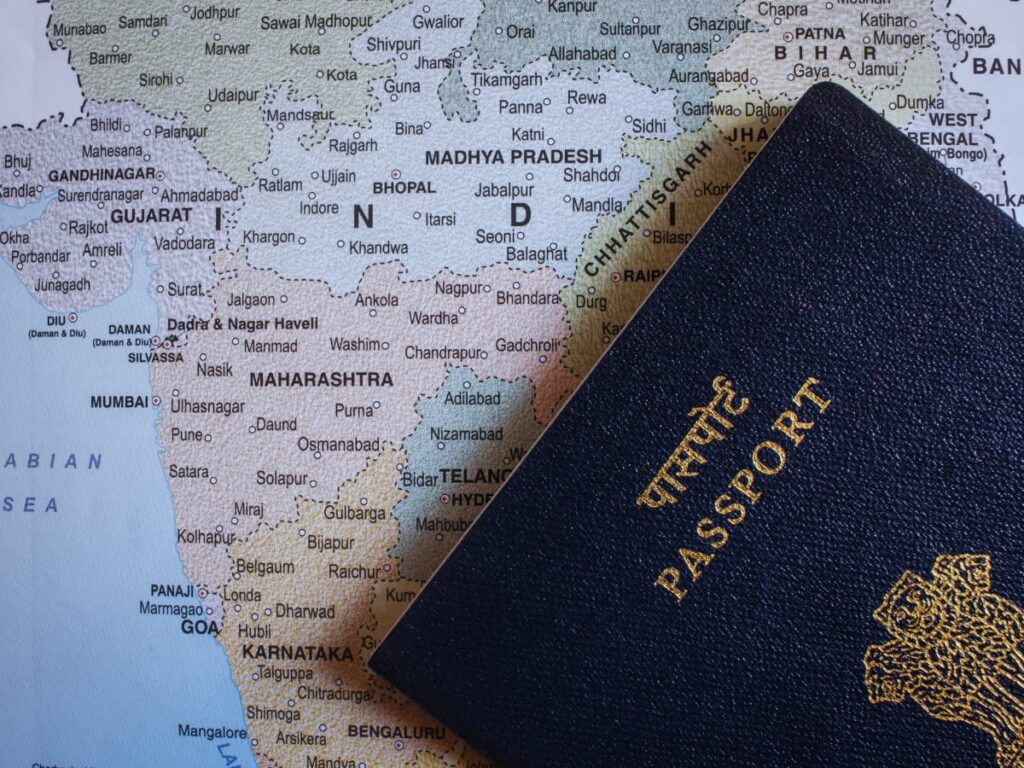
India rolls out the new e-passport with enhanced security, digital features, and global standards
India has officially entered a new era of travel documentation with the launch of its next-generation e-passports. As part of a broader push to modernise identification systems in 2025, the Indian passport is undergoing a significant transformation aimed at improving security, preventing fraud, and making international travel smoother and more secure.
The new e-passport features a built-in Radio Frequency Identification (RFID) chip along with an embedded antenna. This chip securely stores the passport holder’s biometric data, including fingerprints and photographs, and aligns with global standards laid out by the International Civil Aviation Organization (ICAO). This dual-layer of printed and chip-based information greatly enhances the passport’s resistance to forgery and duplication.

A key update under the Indian Passport Document Rule 2025 is the requirement for applicants born on or after October 1, 2023. They must now submit a birth certificate as the only accepted proof of their date of birth when applying for a passport. This move is intended to streamline documentation and reduce inconsistencies.
Another significant change is the digital storage of residential addresses. Unlike traditional passports that print the address on a physical page, e-passports will store this information securely in digital form, thus enhancing privacy and adaptability.
The data stored on these chip-enabled passports is protected using a robust Public Key Infrastructure (PKI) system, ensuring that personal and biometric details cannot be tampered with or accessed by unauthorized entities.
India has already initiated the rollout of e-passports in selected cities such as Goa and Ranchi. These pilot implementations are helping to set the stage for nationwide adoption. The government’s goal is to make border control and immigration processes faster and more secure, reducing the risk of identity theft and travel document fraud.
Importantly, current passport holders are not required to replace their valid passports immediately. Existing passports will remain valid until their stated expiry dates. The e-passport is optional for now and is available when individuals apply for a new passport or renew their existing one.
With these sweeping changes, the Indian passport is now positioned to stand alongside the most advanced travel documents in the world, offering citizens a blend of convenience, global compatibility, and digital protection.