Maharashtra’s Forts: Timeless Symbols of Maratha Bravery and Vision

Maharashtra’s Forts: Timeless Symbols of Maratha Bravery and Vision
Maharashtra’s rugged landscape is dotted with awe-inspiring forts that are more than just remnants of stone and mortar — they are enduring legacies of the Maratha Empire, echoing tales of courage, leadership, and strategic brilliance. These forts were not merely military outposts; they served as administrative centers, symbols of cultural pride, and strongholds that fortified the dream of Swarajya — self-rule — envisioned by Chhatrapati Shivaji Maharaj.
Here’s a look at some of the most iconic forts in Maharashtra that continue to narrate the glorious saga of Maratha history:
Raigad Fort

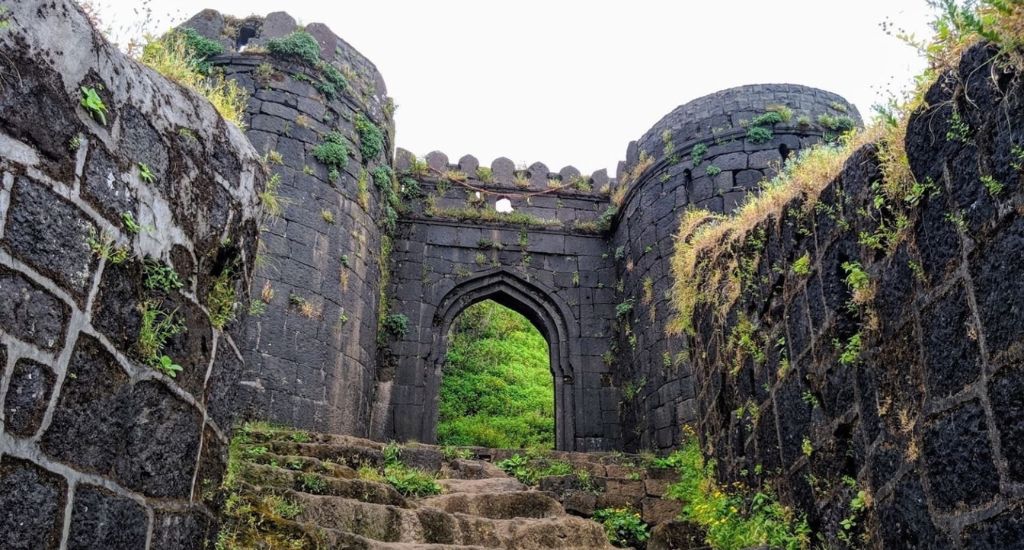
Once the capital of the Maratha Empire, Raigad Fort holds immense historical significance. It was here that Chhatrapati Shivaji Maharaj was coronated. Located at 2,700 feet in the Sahyadris, the fort showcases Maratha architectural genius — from the Queen’s chambers to granaries and the majestic Nagarkhana Darwaza. Secret passageways and commanding views highlight its role in both governance and defense.
Sinhagad Fort
Perched near Pune, Sinhagad Fort is known for the legendary battle of 1670 where Tanaji Malusare laid down his life. His heroic ascent using a monitor lizard to scale the steep cliffs remains etched in history. The fort offers panoramic views and stands as a memorial to the spirit of sacrifice and resilience of the Maratha forces.
Pratapgad Fort
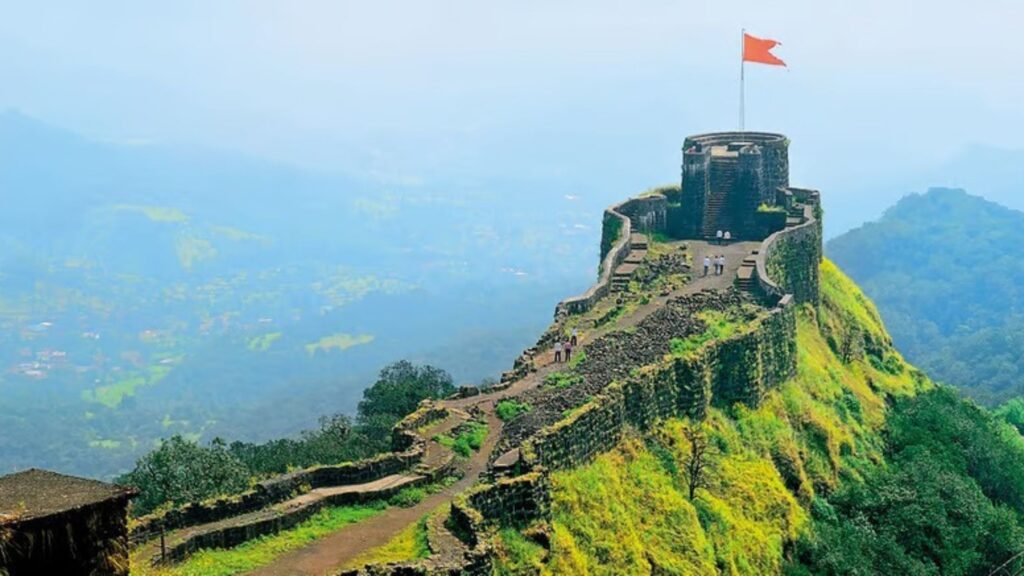
This strategically built fort in Satara gained fame after the dramatic encounter between Shivaji Maharaj and Afzal Khan in 1659. Compact yet tactically sound, Pratapgad was crucial in asserting Maratha dominance in the Konkan region. Watchtowers and narrow paths underline the strategic intelligence behind its construction.
Lohagad Fort
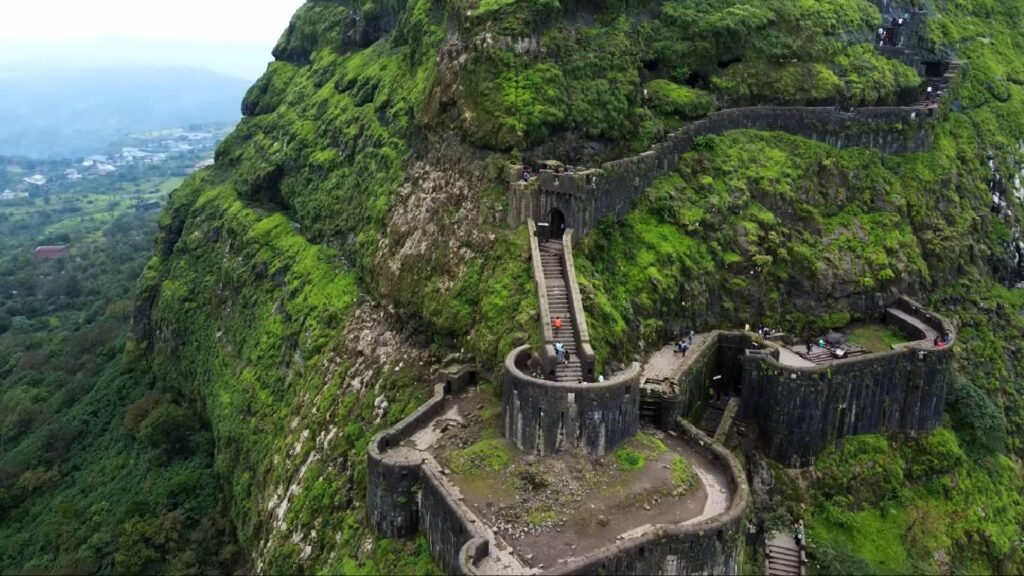
Translating to “Iron Fort,” Lohagad is located near Lonavala and was pivotal in controlling trade between the Deccan plateau and the Konkan coast. The fort’s scorpion-shaped tail formation (Vinchu Kata) and massive gates highlight its importance in military logistics and regional security.
Rajgad Fort
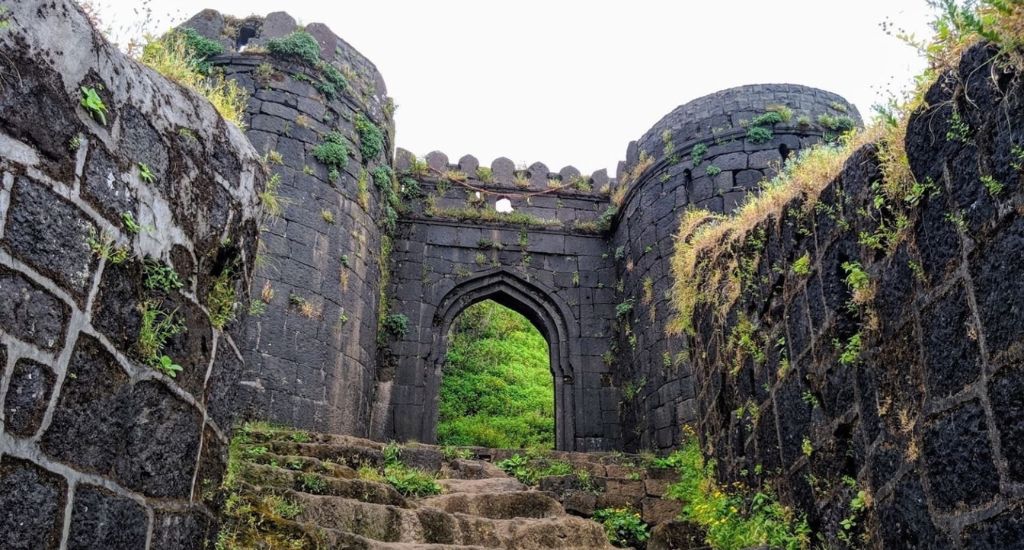
Before Raigad rose to prominence, Rajgad served as Shivaji Maharaj’s base for several years. Sprawled across a hill, it played a vital role in early Maratha campaigns. Its triple fortifications, expansive views, and enduring structures make it a crucial part of Maratha military history.
Vasota Fort
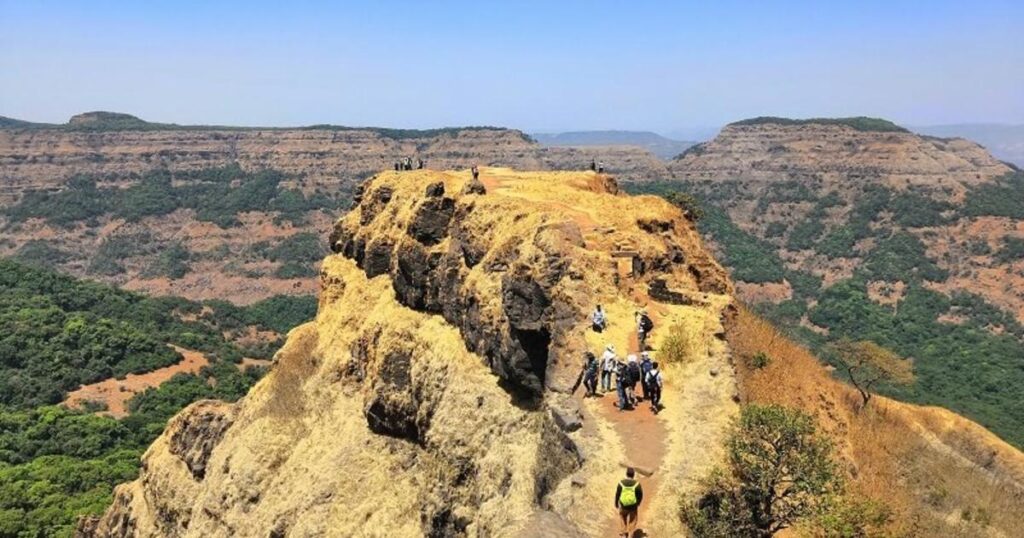
Hidden deep within the Koyna Wildlife Sanctuary, Vasota is known for its dense forests and secluded location. Used for covert military operations, its isolation made it a strategic hideout. Although much of it lies in ruins, the fort retains an aura of mystery and silent valor.
Shivneri Fort
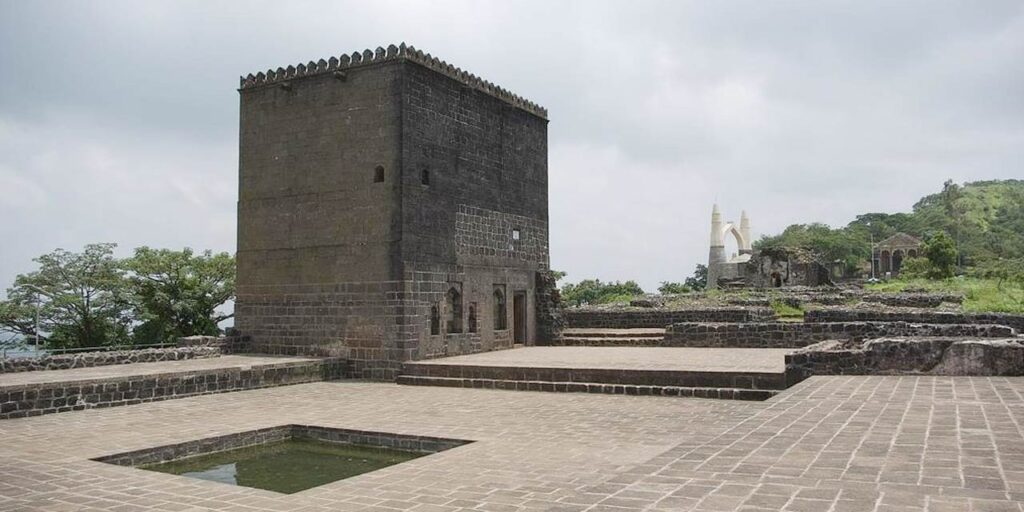
The birthplace of Chhatrapati Shivaji Maharaj, Shivneri is where his journey began. The fort houses the temple of Goddess Shivai and the room where Shivaji was born. Its strong fortifications and water reservoirs reflect the care taken to preserve the cradle of Maratha legacy.
Torna Fort
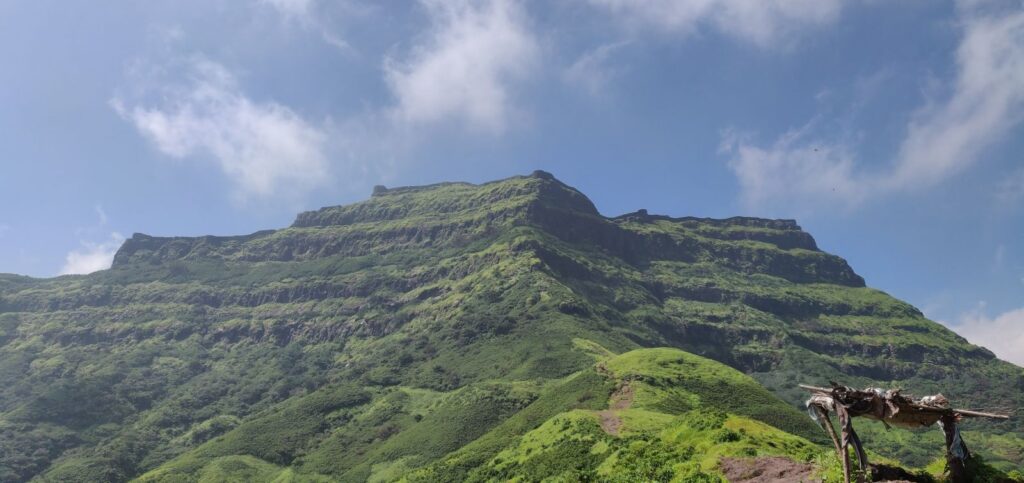
Also known as Prachandagad, Torna was the first fort captured by Shivaji Maharaj at the young age of 16. This bold move marked the beginning of his fight for Swarajya. Vast, rugged, and formidable, Torna signifies the early spark of a movement that reshaped Indian history.
Harishchandragad Fort
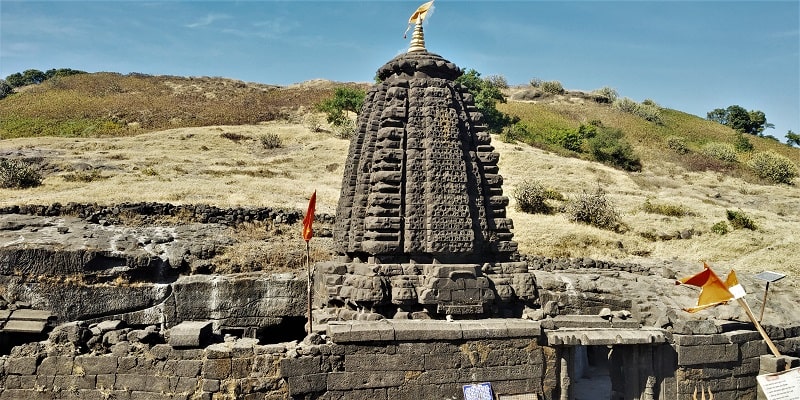
Though predating the Maratha era, Harishchandragad was restored and used strategically during their rule. Famous for the Konkan Kada cliff and ancient caves like Kedareshwar, it blends natural beauty with historical significance. It served as an important lookout point and spiritual site.
A Living Legacy
These forts are not just architectural marvels; they are spiritual landmarks that embody the essence of the Maratha spirit. They speak of an era where bold leadership, tactical acumen, and a deep-rooted connection to the land laid the foundation of a formidable empire. Every trail, gateway, and bastion continues to inspire generations to look back with pride and move forward with courage.
Exploring these forts is more than just sightseeing — it is a walk through the pages of Maharashtra’s glorious past, where every stone tells a story of Swarajya, sacrifice, and sovereignty.