Which City is Called the City of Seven Hills? Discover Its Ancient History

Which City is Called the City of Seven Hills? Discover Its Ancient History
Rome is often called the City of Seven Hills, a title that reflects the ancient city’s unique geography. Built on seven different elevations along the banks of the Tiber River, these hills played a crucial role in shaping the city’s history, culture, and mythology. Today, they are home to monuments, churches, palaces, and parks, allowing visitors to explore the stories behind Rome’s legendary origins.
The Founding of Rome on the Seven Hills
The story of Rome’s founding is closely tied to its seven hills. According to legend, the city began on these hills with Romulus and Remus, the twin brothers who were nursed by a she-wolf on Palatine Hill. Romulus eventually became the founder of Rome after a contest that decided who would lead the new city. Historically, the hills were also practical locations. They offered protection from invaders and easy access to the Tiber River, which was vital for trade and defence.

Early Settlements and the Etruscan Influence
The earliest settlements appeared on Palatine and Esquiline Hills, while later the Sabines settled on Quirinal Hill. By the 6th century BCE, the Etruscans had conquered the area and united the hills under their rule. They mainly settled on Capitoline Hill, which became the city’s religious and political centre. The Etruscans also established Rome’s first kings. When the last Etruscan king was overthrown, the Roman Republic was founded, setting the stage for one of the world’s most powerful empires.
Palatine Hill
Palatine Hill is the oldest and most famous of the seven hills. Archaeologists have found remains of huts dating back to the 9th century BCE, showing that this was the original settlement. According to legend, it is the exact spot where Romulus founded the city. Later, it became home to Roman emperors, who built magnificent palaces and temples on its slopes. Palatine Hill remains a symbol of Rome’s ancient beginnings and imperial power.
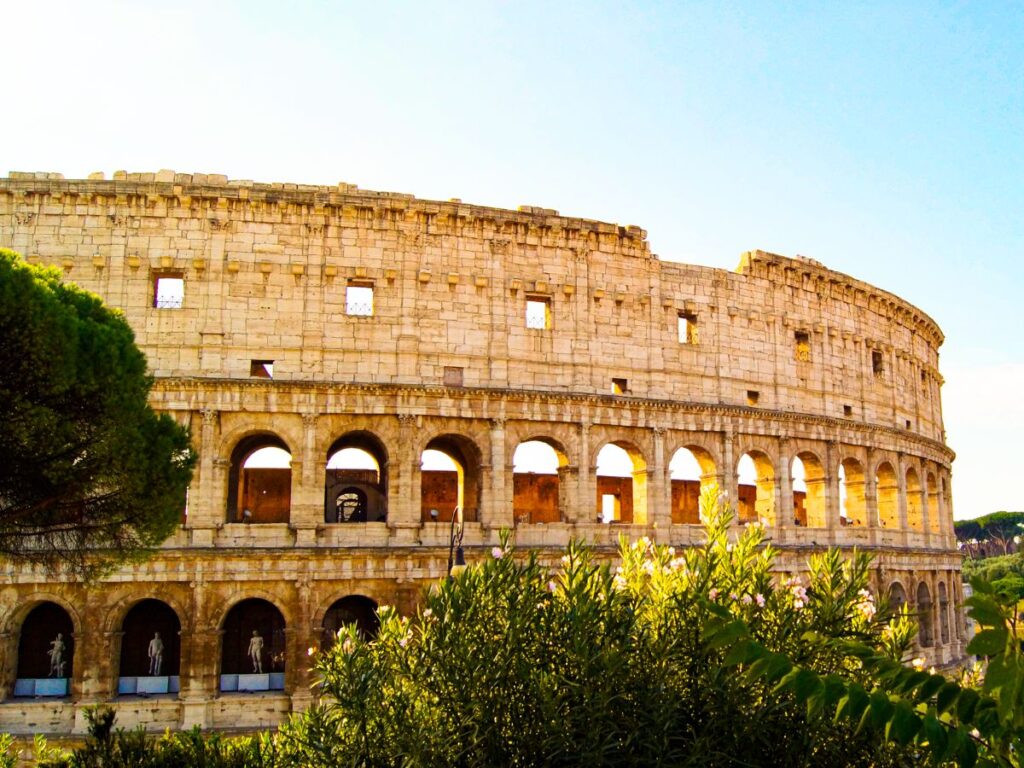
Capitoline Hill
Capitoline Hill served as the religious and political hub of ancient Rome. The grand Temple of Jupiter Optimus Maximus once stood here, dedicated to Rome’s chief god. Today, the hill is home to the Capitoline Museums and stunning Renaissance architecture designed by Michelangelo. Capitoline Hill showcases the city’s historical importance and its enduring cultural heritage.
Aventine and Caelian Hills
Aventine Hill was traditionally the hill of the common people. It is known today for its tranquil orange gardens and historic churches like Santa Sabina. Visitors can also enjoy unique views of the city, including the famous keyhole perspective of St. Peter’s Basilica. Caelian Hill, on the other hand, was home to wealthy families and nobles. It featured luxurious villas, bathhouses, and early Christian churches, such as the Basilica of Saints John and Paul, which still stand as reminders of Rome’s rich past.
Esquiline, Quirinal, and Viminal Hills
Esquiline Hill is the largest of the seven and is a lively area with markets, theatres, and the famous Domus Aurea, Emperor Nero’s Golden House. Quirinal Hill is the highest hill and now hosts the Quirinal Palace, the official residence of the President of Italy. It also features elegant streets and charming squares, blending history with modern governance. Viminal Hill, the smallest, is home to landmarks like the Baths of Diocletian and the Teatro dell’Opera di Roma, highlighting the mix of Rome’s historical and artistic significance.
All seven hills, Palatine, Capitoline, Aventine, Caelian, Esquiline, Quirinal, and Viminal, can still be explored today. They offer a journey through centuries of history, from Rome’s mythological founding to the power of the Roman Empire and the city’s transformation into modern Italy. The hills continue to tell stories of religion, politics, art, and everyday life, making them a must-visit for anyone wanting to understand the soul of Rome.