Snow, Solitude, and Soul: Why Spiti Valley in Winter Is Every Traveler’s Dream
Snow, Solitude, and Soul: Why Spiti Valley in Winter Is Every Traveler’s Dream
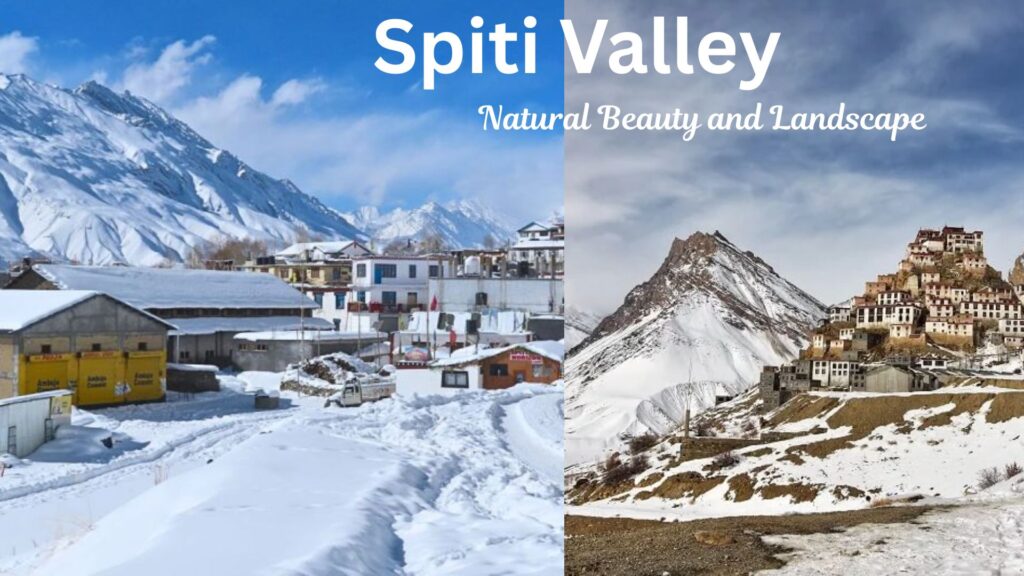
Tucked away in the high Himalayas of Himachal Pradesh, Spiti Valley is a dream destination for travelers seeking solitude, adventure, and raw natural beauty. Known as the “Middle Land” between India and Tibet, Spiti mesmerizes visitors with its snow-clad peaks, ancient monasteries, and stark desert landscapes that seem almost otherworldly.
Why Visit Spiti in November–December
If you’re planning a winter adventure, November to December offers an unforgettable experience. The crowds thin out, the landscapes turn white, and the crisp mountain air adds a mystical charm to every view.
However, do note that December and January are the coldest months, and many higher passes remain closed due to snow. If you want fewer tourists and a full snow cover, plan your trip between December and February — but be prepared for extreme weather and limited accessibility.
Natural Beauty and Landscape
- High-Altitude Desert: Spiti sits at an average elevation of 4,000 meters and is often described as a cold desert — a land of rugged mountains, rocky cliffs, and deep valleys.
- Surreal Views: The road trip itself is breathtaking. As you drive through winding mountain roads, you’ll witness a dramatic shift from lush green valleys to barren, golden-brown slopes capped with snow.
- Stargazing Paradise: Spiti is home to some of the clearest skies in the world. From May to September, stargazers can witness a canopy of twinkling stars and even the Milky Way in full glory, but winter nights in November and December are equally magical, offering crystal-clear views.
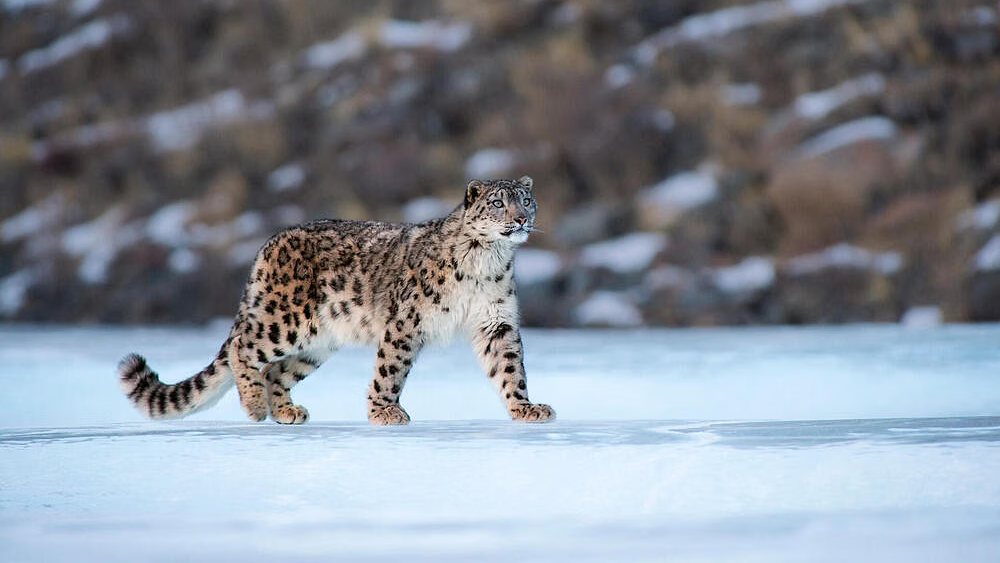
- Wildlife Encounters: The region hosts unique Himalayan wildlife like the ibex, blue sheep, and red fox, and if you’re lucky, you might even spot the elusive snow leopard.
Culture and History
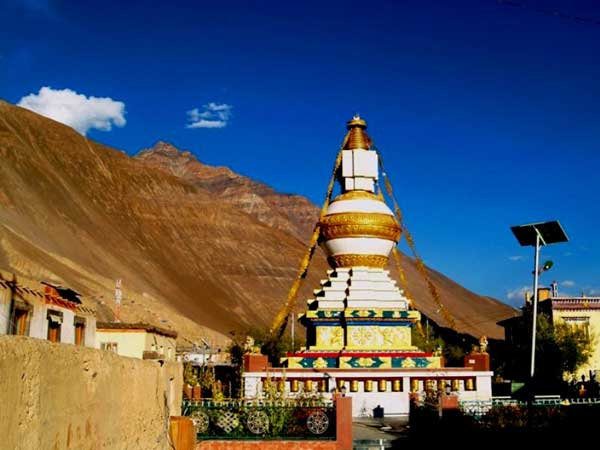
- Ancient Monasteries: Spiti is dotted with ancient Buddhist monasteries that date back over a thousand years. The Tabo Monastery (founded in 996 AD) is one of the oldest continuously operating Buddhist sites in the world. Other must-visits include Dankar Monastery perched on a cliff, and Kye Monastery, which overlooks the valley like a fortress of faith.
- Tibetan-Buddhist Influence: Prayer flags flutter in the wind, spinning prayer wheels line village lanes, and monks in crimson robes add color to the stark terrain. Every monastery here is a center of learning and spirituality.
- Local Festivals: Winter is also the time for smaller, community-centered celebrations. These offer an authentic glimpse into local traditions, music, and the mesmerizing Cham dance, performed by monks in colorful masks and robes.
Adventure Activities
- Trekking: Winter trekking in Spiti is not for the faint-hearted but promises unparalleled beauty. Short hikes to Dhankar Lake or Langza Village provide stunning views of snow-covered peaks.
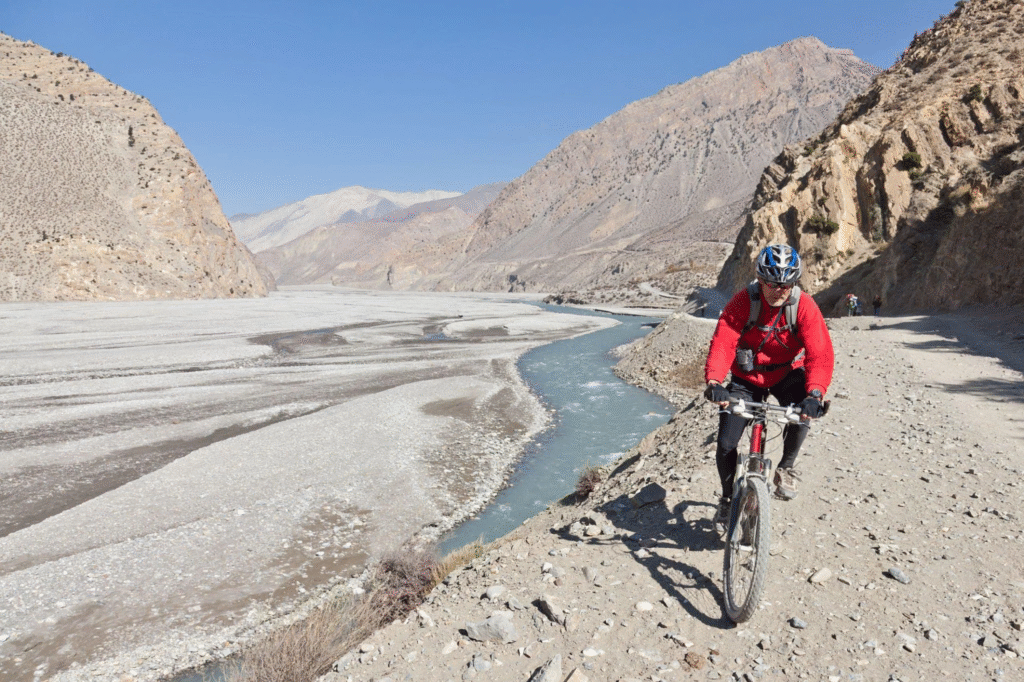
- Mountain Biking & Rafting: While rafting is best during summer, mountain biking through the snowy roads of Spiti in early winter is a thrilling experience for seasoned riders.
- Road Trips: The road to Spiti is an adventure itself. The route from Manali to Kaza offers panoramic views but often closes after heavy snowfall. The Shimla–Kaza route remains open longer, making it ideal for winter travelers.
How to Reach
- By Road: You can reach Spiti via two main routes — the Manali–Kaza route (closed in peak winter) and the Shimla–Reckong Peo–Kaza route, which remains open most of the year.
- Nearest Airports: The closest airports are Bhuntar (Kullu) and Shimla, but both require long drives to reach Spiti.
- By Bus: HRTC buses run from Shimla and Reckong Peo to Kaza until snowfall disrupts connectivity. Hiring a 4×4 or SUV is recommended in winter months.
Travel Tips
- Carry proper winter gear — temperatures can drop below -15°C.
- Stay hydrated and acclimatize properly to avoid altitude sickness.
- Book stays in advance; only limited guesthouses remain open in winter.
- Keep fuel and food supplies handy during road stretches with no facilities.
Final Thought
A November–December road trip to Spiti Valley is not just a journey — it’s a test of endurance, a meditation in motion, and a deep dive into Himalayan spirituality. From the silence of frozen rivers to the chants echoing through ancient monasteries, Spiti in winter is where nature meets the divine.