Building Emotional Resilience: 10 Evidence-Based Strategies that Help Children Master Emotional Regulation
Building Emotional Resilience: 10 Evidence-Based Strategies that Help Children Master Emotional Regulation
Modern child psychology reveals that connection, not isolation, builds lasting emotional resilience in young minds
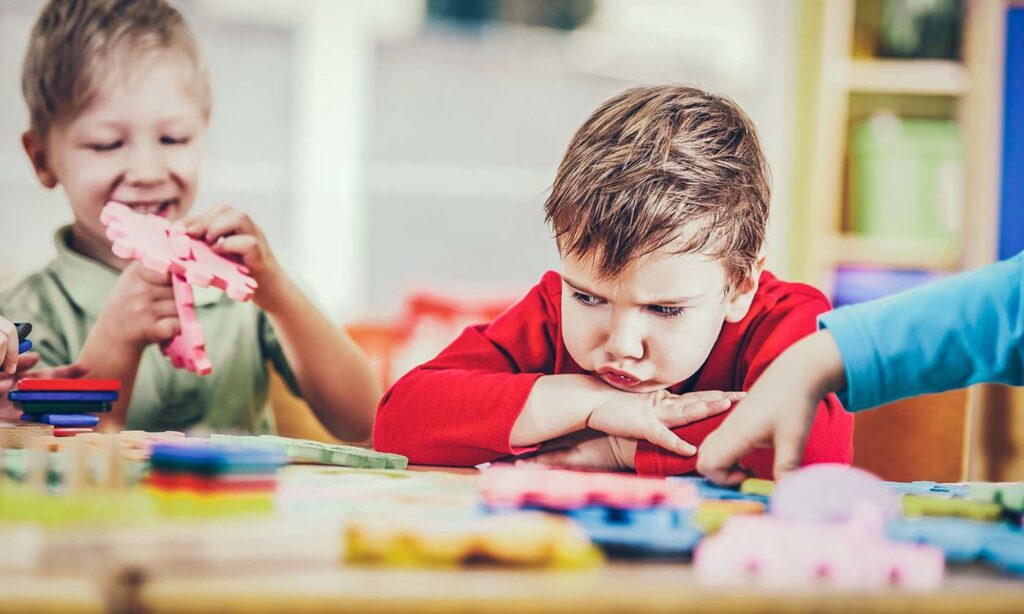
Every parent recognizes the moment when a child’s emotions overflow. Tears stream down, voices rise, doors slam. The instinct to send them to their room or impose a time-out feels natural. Yet decades of research in child development suggests a different path, one that builds emotional strength rather than simply silencing distress.
Modern psychology shows that harsh discipline and isolation do not actually teach children how to manage their feelings. Instead, these methods often teach kids to hide emotions rather than process them healthily. Emotional regulation, the ability to recognize and manage feelings constructively, develops through patient guidance, consistent modeling, and supportive connection.
Children who learn to regulate emotions through positive strategies develop stronger mental health, better relationships, and greater success in school and life. Here are ten proven approaches that work better than punishment.

Help children name what they feel
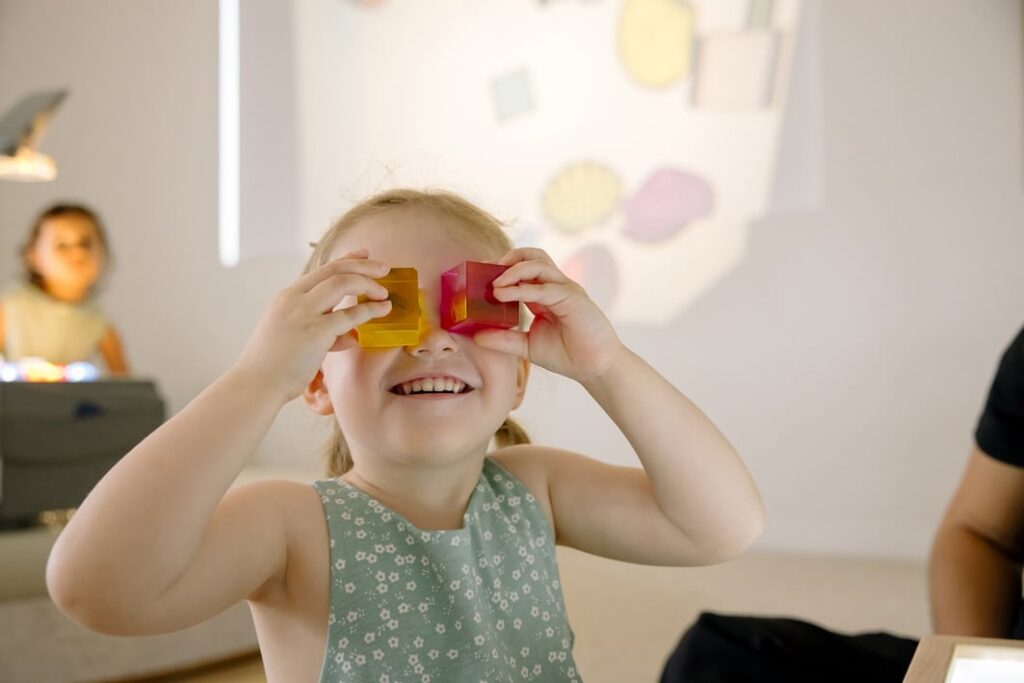
Young minds often lack the vocabulary to express the storm happening inside them. When a child can say “I feel angry” or “I am sad,” the intensity of that emotion naturally decreases. Teaching emotional labels gives children power over their feelings.
Research from the Rochester Resilience Project found that children who learn to identify and name their emotions develop better self-awareness, which is crucial for regulation. Parents can start early by pointing out emotions in daily life. “You look frustrated with that puzzle” or “I can see you feel excited about the playground” helps build this vocabulary naturally.
Show calm in action
Children learn emotional responses by watching adults around them. When parents model calm reactions to stress, kids absorb those patterns and develop their own mental tools for managing difficult moments. Studies show that parent-child interactions where adults demonstrate self-control help children gradually build what researchers call mental muscles for managing reactions.
This does not mean parents must be perfect. In fact, showing children how you calm yourself after losing your temper can be incredibly valuable. “I felt angry and raised my voice. Now I am taking deep breaths to feel better” teaches more than always appearing calm.
Practice breathing exercises together
The Incredible Years Program research highlights breathing techniques as powerful tools for emotional regulation. Simple exercises like the 1-2-3 breathe method, where children inhale, hold, and exhale slowly, can calm the nervous system remarkably fast.
Making this a daily routine, not just an emergency measure, helps children develop it as an automatic response. Try visualization alongside breathing. Imagining a balloon slowly inflating and deflating gives young minds something concrete to focus on, making the technique more effective.
Use emotion charts and visual tools
Visual emotion charts help children externalize their feelings when words fail them. A study by the Center for Child Care Resources revealed that caregivers who use charts and ask children to point at how they feel see significant improvements in emotional identification and communication. This tool enhances emotional literacy in young kids who are still building language skills.
Charts with faces showing different emotions, rated from calm to very upset, give children a way to communicate without needing complex vocabulary. This is especially helpful during intense moments when verbal expression becomes difficult.

Try mindfulness and grounding activities
Mindfulness helps children stay present rather than getting swept away by reactive impulses. Recent research from PositivePsychology.com shows that grounding techniques like the 5-4-3-2-1 game can redirect attention from overwhelming feelings to sensory experiences.
In this exercise, children identify five things they can see, four they can touch, three they can hear, two they can smell, and one they can taste. This focuses attention on the present moment and naturally reduces emotional overwhelm. Regular practice makes this tool readily available when big feelings strike.
Acknowledge efforts with positive reinforcement
Praising children when they manage to calm themselves or use words instead of tantrums makes emotional self-control rewarding. The Incredible Years Program research confirms that simple acknowledgments like thumbs-up or smiles communicate support and build motivation.
This is not about bribing good behavior. It is about recognizing the genuine effort a child makes to manage difficult feelings. “I noticed you felt frustrated but you used your words. That took real strength” validates the struggle and reinforces the positive choice.
Use role-play for real-life preparation
Structured activities involving role-play help children practice navigating frustrations and conflicts safely. Acting out scenarios or using puppets allows them to rehearse alternative responses that they can later transfer to actual situations.
This safe practice ground removes the pressure of real-world consequences while building confidence. Children can try different approaches, see what works, and develop flexible responses to common challenges they face.
Offer choices to build autonomy
When children feel out of control emotionally, offering choices helps them regain a sense of agency. This shifts the dynamic from power struggle to cooperation. Instead of demanding immediate compliance, try offering options. “Would you like to take five deep breaths or go to your quiet corner for a few minutes?”
This approach respects the child’s need for independence while still guiding them toward healthy coping strategies. Research shows that empowering children through choices during emotional moments reduces tantrum likelihood and fosters emotional competence.
Create a calm-down corner, not a punishment spot
A designated peaceful space with soft cushions, calming books, or sensory toys gives children somewhere to retreat when feelings become too big. This is fundamentally different from a time-out. The child chooses to go there, and the space is designed for comfort and self-soothing, not isolation and shame.
Parents can help children personalize this space, making it genuinely appealing. When kids view it as a helpful tool rather than punishment, they naturally gravitate there when needed and learn to recognize their own need for a break.
Stay connected through the storm
Perhaps the most important strategy is maintaining connection during emotional upheaval. Children need to know that even when their behavior is unacceptable, they themselves are not rejected. Staying physically present, offering a hug if they want one, or simply sitting nearby communicates unconditional support.
This does not mean accepting harmful behavior. It means separating the child from their actions. “I can see you are very angry, and I am here with you. Hitting is not okay, but your feelings are always acceptable” sets clear boundaries while preserving the relationship.
Teaching emotional regulation is not about controlling children or suppressing their feelings. It is about equipping them with skills that will serve them throughout life. These strategies require patience and consistency, but the investment pays dividends in raising emotionally intelligent, resilient children capable of navigating life’s challenges with confidence and grace.