Does Drinking Buttermilk Help You Lose Weight In Cold Weather? Understand The Right Time And Way To Consume It
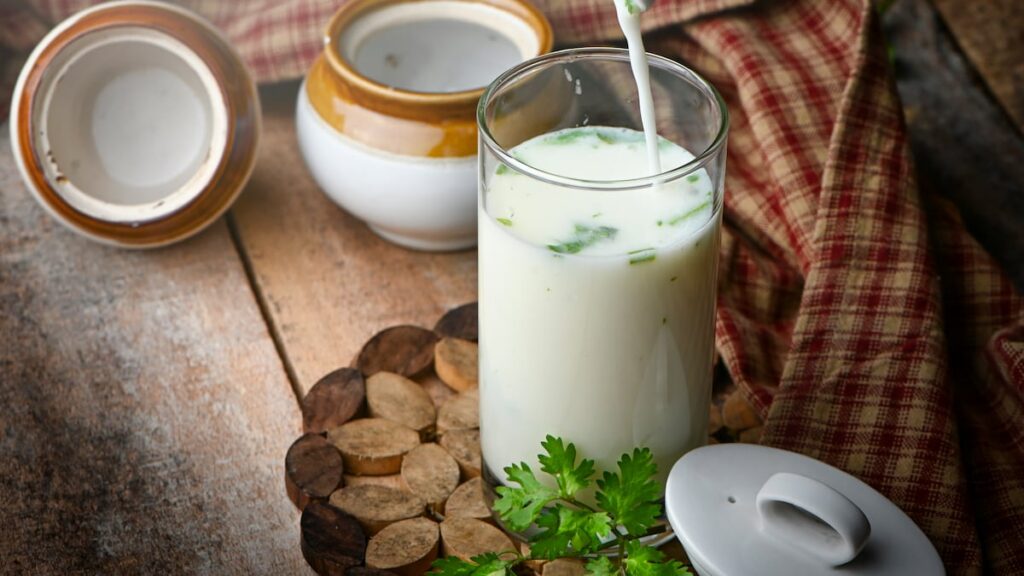
Does Drinking Buttermilk Help You Lose Weight In Cold Weather? Understand The Right Time And Way To Consume It
Buttermilk can support digestion, weight control and immunity in winter—if consumed correctly.
Buttermilk has always been a staple in Indian kitchens, but many people hesitate to drink it during winter thinking it may cause colds or discomfort. Nutrition experts—and traditional Ayurvedic guidance—say buttermilk is absolutely safe in winter when consumed the right way. In fact, it can aid digestion, improve hydration and even help with weight management because of its low calories, probiotics and protein content.
Winter slows down overall water intake, digestion and metabolism for many people. Buttermilk naturally helps regulate these functions, prevents heaviness after meals and keeps the gut active. However, drinking it at the wrong time or in the wrong form may lead to cough, sore throat or stomach discomfort, which is why timing and preparation matter.
When consumed properly, buttermilk becomes a warming, nourishing and digestion-boosting winter drink.

When Should You Drink Buttermilk During Winter?
Experts recommend drinking buttermilk in the afternoon or post-lunch. The digestive fire (Agni) is strongest during this time, helping the body process the probiotics, protein and nutrients effectively.
Avoid drinking it after sunset or at night. Winter already increases Kapha tendencies, and taking buttermilk late can aggravate cold, heaviness or sore throat. Many people also experience mild acidity or bloating when consumed at night during cold months.
If you have a cold, fever, phlegm, sinus allergy or throat irritation, it is better to avoid buttermilk until recovery.
How To Drink Buttermilk Properly In Cold Weather
Buttermilk should never be consumed too cold during winter. Always drink it at room temperature or slightly warm to avoid gastric discomfort and throat irritation.
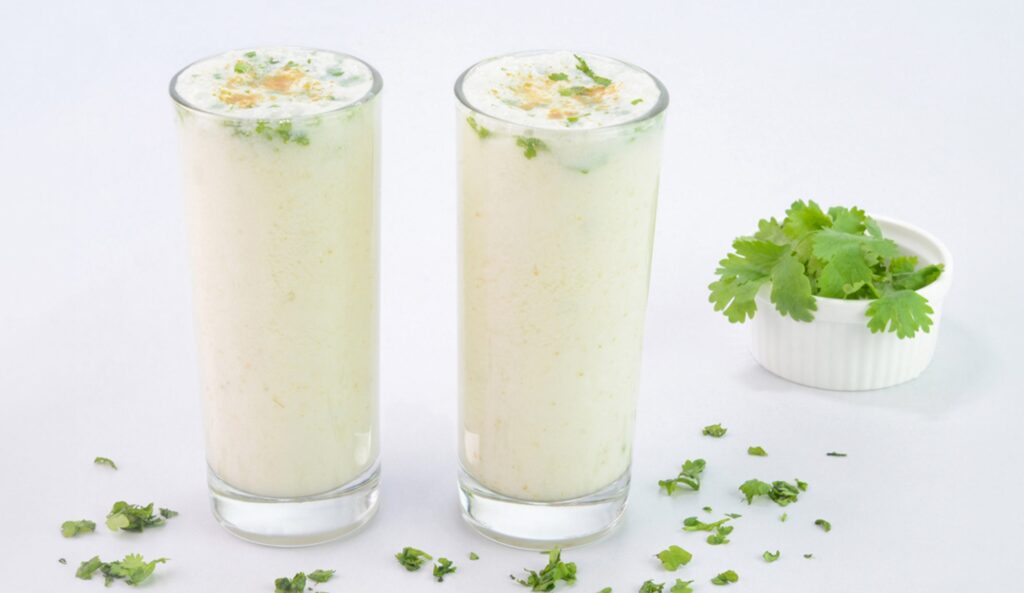
Adding spices makes buttermilk winter-friendly. Roasted cumin, black salt, coriander, ginger or green chilli reduce its cooling effect and help retain warmth in the body. These ingredients improve metabolism, cut acidity and make digestion smoother.
Masala buttermilk is preferred over plain buttermilk in winter. The spices balance Kapha and support gut health, immunity and energy levels.
Benefits Of Drinking Buttermilk In Winter
Buttermilk boosts digestion naturally and helps maintain hydration when water intake drops in winter. Its probiotics improve gut bacteria, reducing acidity when consumed after meals. It is also light on the stomach and easy to digest, making it an ideal choice for people struggling with bloating or heaviness.
Regular consumption supports gut health, balances the body’s water level, and keeps digestion active despite cold weather. Buttermilk also supports immunity by keeping the digestive system functioning smoothly.
Does Buttermilk Help In Weight Loss During Cold Days?
Yes. Buttermilk may support weight loss when used correctly. It is low in calories, high in protein, rich in probiotics and naturally filling. Replacing high-calorie snacks or beverages with a glass of masala buttermilk helps manage daily calorie intake.
However, moderation is key. Excess consumption may cause weight gain due to increased calorie load from added ingredients.
What Happens If You Drink Buttermilk At Night In Winter?
According to Ayurveda, drinking buttermilk at night increases Kapha and may cause sore throat, cough or stomach upset. Many people report heaviness, phlegm or digestion slowdown if consumed late in the day.
For winter, morning and afternoon remain the safest and most beneficial times.
How To Prevent Catching A Cold After Drinking Buttermilk
Traditional advice suggests eating a small piece of jaggery immediately after drinking buttermilk. This helps balance its cooling nature and protects against throat irritation during winter.
Disclaimer: This article is for general information only and not a substitute for professional medical advice.