Watch Dharma Dhwaj Hoisted atop Ram Mandir, Ayodhya : What The Symbols, Sun And ‘Kovidar Tree’ Truly Represent
Watch Dharma Dhwaj Hoisted atop Ram Mandir, Ayodhya : What The Symbols, Sun And ‘Kovidar Tree’ Truly Represent
Ayodhya Ram Mandir’s Dharma Dhwaj carries centuries of cultural, spiritual and scriptural meaning.
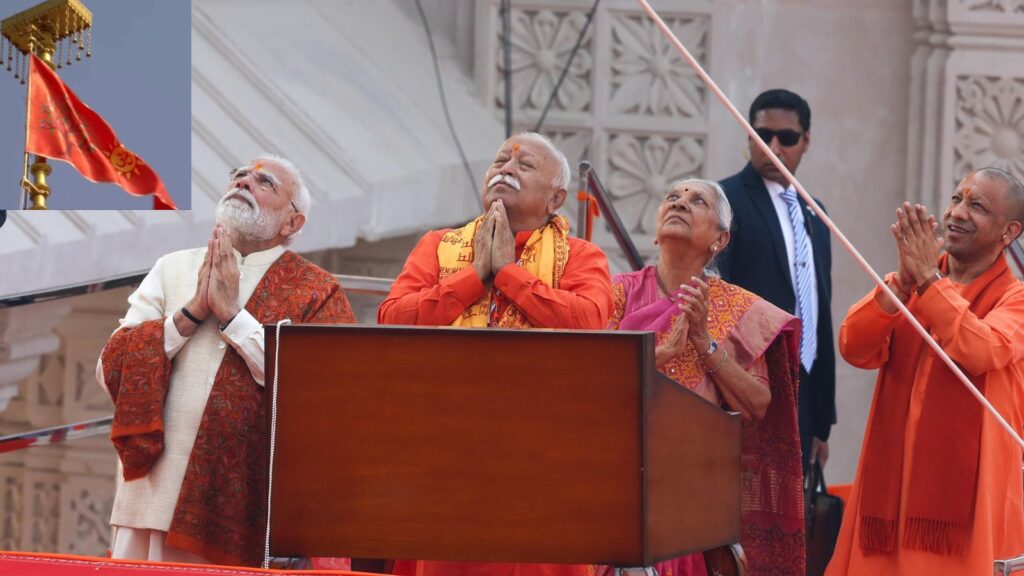
The Dharma Dhwaj, hoisted atop the Ram Mandir is a powerful national moment, marking not only the completion of the temple’s main construction but also the revival of an ancient tradition. The flag, raised during a grand ceremony attended by thousands, is layered with symbolism drawn from scriptures, heritage and the kingdom of Shri Ram.
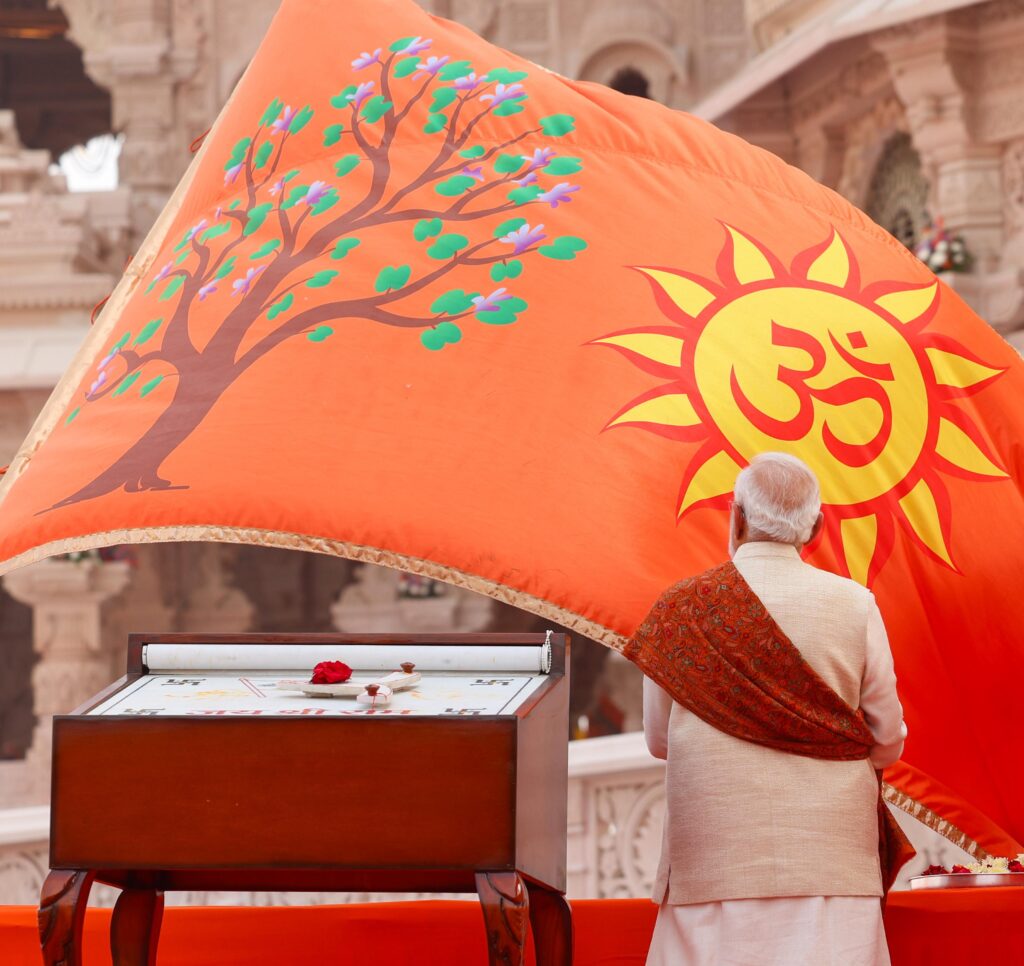
The flag hoisted on November 25 in the presence of Prime Minister Narendra Modi and RSS Sarsanghchalak Mohan Bhagwat, also marks the completion of the temple’s main construction.
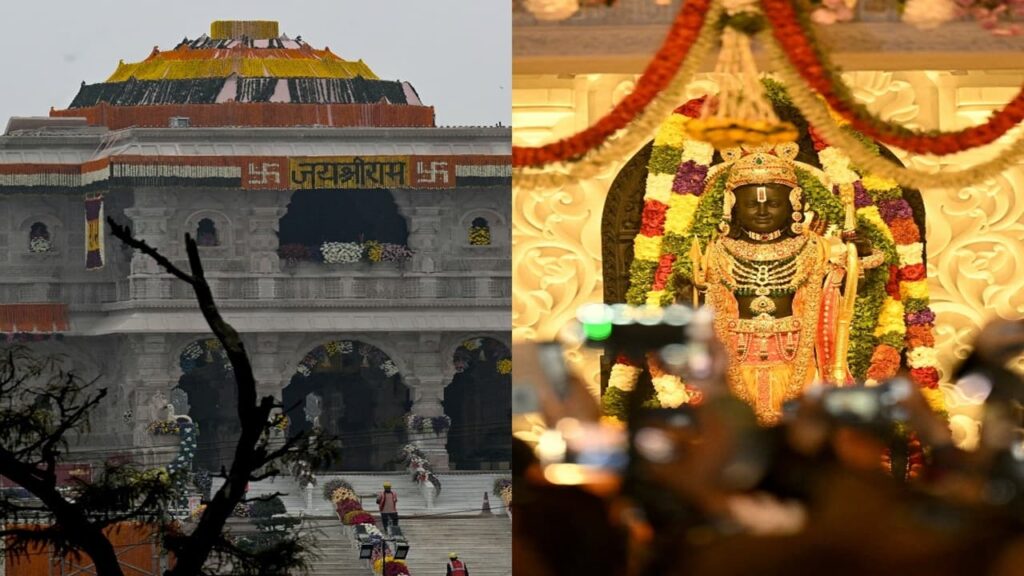
The act of hoisting the Dhwaj is traditionally performed after the Prana Pratishtha, signifying that the deity’s divine energy has been invoked and remains continuously active within the temple. According to Vedic scriptures, a saffron religious flag must fly above every temple to ensure the presence, protection and benevolent force of the deity. The saffron Dhwaj at Ayodhya reflects glory, resolve, victory and the uninterrupted flow of sattvic energy.


This particular flag measures 22 feet in height and 11 feet in width, placed on the 161-foot peak of the Ram Mandir. Its hoisting is seen as a historic closure to a 500-year struggle, reviving a ritual that stood at the centre of ancient temple culture. The Dhwaj represents not just the completion of architecture but also the spiritual and cultural fulfilment of the entire project.
With devotion and tradition, the Dharma Dhwaja ascends, signifying the return of glory and righteous rule in the holy city of Ayodhya.#Dhwajarohan2025#AyodhyaRamMandir#ShriRamJanmabhoomi pic.twitter.com/7NsbvS1Eg1
— MyGovIndia (@mygovindia) November 25, 2025
The flag features three major symbols the Sun, the sacred Om, and the Kovidar tree. While the Sun on the flag represents energy, radiance and divinity, and Om marks the eternal presence of the supreme consciousness, it is the depiction of the Kovidar tree that has evoked the most curiosity.
The Kovidar Vriksha holds deep roots in ancient Indian tradition. Known in Sanskrit as Bauhinia variegata and also called Kanchan or Kanchanar, the tree has been revered for centuries in scriptures and folk narratives. Classical texts describe it as a hybrid created from the Parijat and Mandar trees, believed to symbolise the Raghuvamsha lineage of Shri Ram.

Standing tall under direct sunlight and offering shade to everyone, the Kovidar is often seen in Indic literature as a metaphor for virtuous, selfless individuals. The tree is known for its medicinal properties, its bark is used to treat stomach and skin ailments and is found across the southern Himalayas, eastern India and the South.
After five centuries, a historic moment unfolded in Ayodhya as Prime Minister Narendra Modi hoisted the Dharma Dhwaja at the sacred Shri Ram Temple on the auspicious occasion of the divine wedding festival of Shri Ram and Mata Janki. This landmark event now stands etched in… pic.twitter.com/20vhJ79ena
— DD News (@DDNewslive) November 25, 2025
The Ramayana also references the Kovidar tree during Rama’s exile. When Bharata travelled to meet Rama at Chitrakoot, Lakshmana watching from atop a tree, spotted Bharata’s approaching army. The flags bearing the Kovidar symbol helped Rama recognise that the arriving forces belonged to Ayodhya, not an enemy kingdom. In the era of Rama Rajya, the Kovidar tree adorned the flags of the kingdom and was regarded as a national emblem.
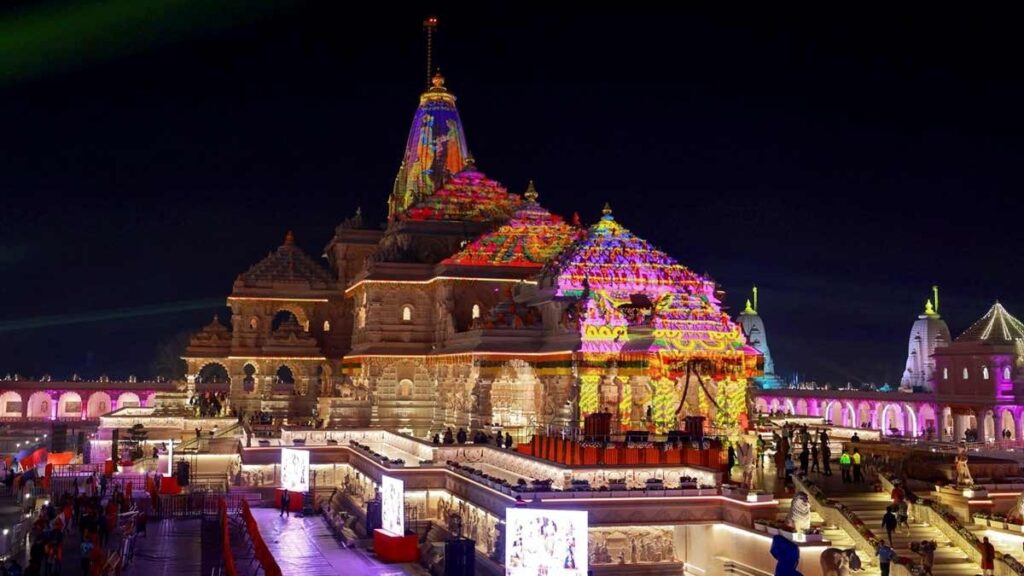
The modern Dhwaj at Ayodhya revives that very symbol. The presence of the Kovidar on the flag affirms continuity between the ancient kingdom of Shri Ram and the present era. It conveys protection, righteousness and the moral leadership associated with Ram Rajya.
The saffron Dharma Dhwaj is therefore far more than a ceremonial banner. It is a synthesis of scripture, history and identity — a living symbol of faith, victory and the cultural rebirth of Ayodhya.