Pune Municipal Corporation Cracks Down on Illegal Study Rooms and Hostels Amid Student Surge

Pune Municipal Corporation Cracks Down on Illegal Study Rooms and Hostels Amid Student Surge
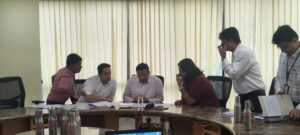
Pune Municipal Corporation (PMC) has launched a major crackdown on illegal study rooms, hostels, and eateries catering to competitive exam aspirants in the city. Additional Commissioner Prithviraj B. P. instructed the construction and encroachment departments to take immediate action against unauthorized study centers. A meeting involving key officials was held to review the current situation and plan further action.
Present at the meeting were Deputy Commissioner of Encroachment Somnath Bankar, Deputy Commissioner of Zone No. 5 Nikhil More, Assistant Commissioner of Kasba-Vishrambagwada Regional Office Pradeep Awhad, Executive Engineer Surendra Karpe, Chief Security Officer Ramesh Shelar, and representatives from the Taxation and Tax Collection Department. The officials agreed to collaborate closely, with a joint session involving the police scheduled within the next 10 to 15 days. Another follow-up meeting is set for December 17 to review progress.
The central areas of Pune, including Narayan Peth, Sadashiv Peth, Navi Peth, Shaniwar Peth, Budhwar Peth, Shanipar, Kothrud, Dandekar Bridge, and Dattawadi, have the highest concentration of study rooms. PMC surveys in these areas revealed that many buildings lacked proper fire safety measures, raising serious safety concerns, especially after a fire incident in a Navi Peth study hall a few months ago.

Currently, the city hosts more than 750 study rooms, primarily for female students. Despite this, most of these facilities are not registered for income tax, even though the Municipal Corporation has issued orders to levy commercial rates on buildings used for business purposes. The Taxation Department will soon inspect study rooms, hostels, and paying guest facilities to ensure compliance.
The influx of students has caused congestion and disruption in central areas, where hostels, eateries, and food courts are already densely packed. Residents have complained that the large number of students, often living in residential buildings, leads to overcrowding, noise, and general inconvenience. Illegal study rooms have also been set up in parking lots and terraces, prompting the construction department to conduct surveys and initiate enforcement measures within seven days. Regulations for students and paying guests are being drafted, and ward inspectors will monitor unauthorized hawkers near study rooms operating at night.
Pune has become a preferred destination for students preparing for UPSC and MPSC exams, thanks to its training centers, libraries, and study resources. Estimates suggest that around 100,000 students live in the city for competitive exam preparation, mostly in central areas, which adds to traffic and urban congestion. While students rely on private hostels and paying guest accommodations for lodging and eateries for meals, the volume has contributed to rising challenges for the city’s administration and residents.
Local authorities have also raised concerns about student-related disturbances, including processions, use of firecrackers, and celebrations that create noise during festivals such as Ganesh Chaturthi. Recently, the tragic death of a student in a paying guest facility in Navi Peth highlighted the urgency of ensuring safety in these densely occupied spaces.