Should the Toilet Seat Lid Stay Up or Down? Science Explains Hygiene, Germs and Flushing Habits
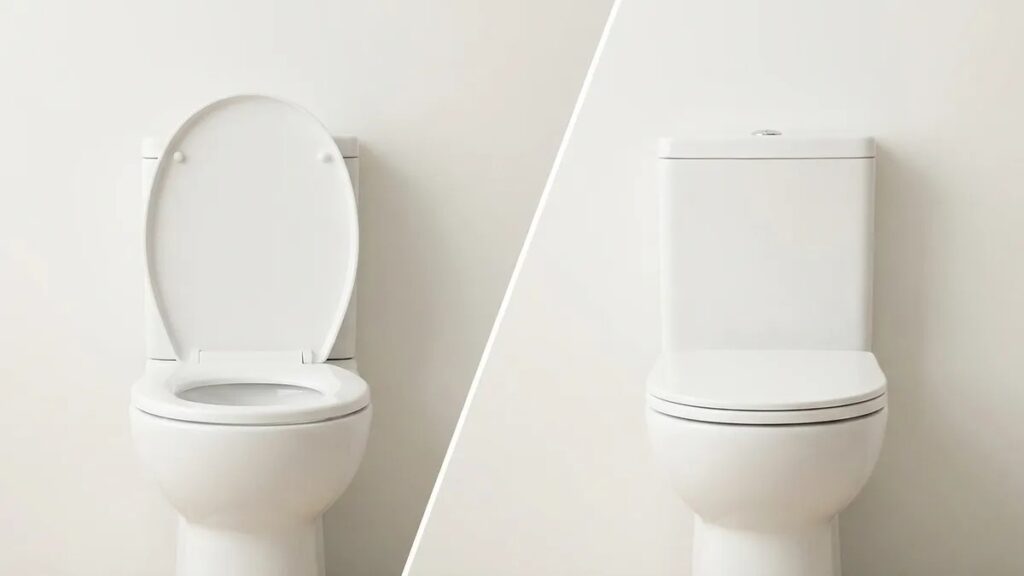
Should the Toilet Seat Lid Stay Up or Down? Science Explains Hygiene, Germs and Flushing Habits
Experts explain how flushing habits, airflow, and daily routines influence hygiene and safety in shared bathrooms.
The debate over whether the toilet lid should remain up or down has resurfaced as new research sheds light on how germs travel inside shared bathrooms. While many people assume that closing the lid prevents contamination, scientists say the answer is more complicated than a simple up-or-down rule.
Modern studies indicate that flushing creates strong turbulence inside the toilet bowl, sending microscopic droplets into the air. These particles, known as aerosol plumes, can carry bacteria and viruses. Closing the lid does reduce splashing and improves overall cleanliness, but it does not completely stop tiny airborne particles from escaping. Because of this, experts recommend combining smart flushing habits with broader hygiene practices instead of relying solely on lid position.

Researchers point out that a more effective hygiene routine begins with a consistent cleaning schedule. Regular disinfection of toilet surfaces, frequent replacement of hand towels, and keeping personal items such as toothbrushes and skincare products away from the toilet area significantly reduce contamination risks. Proper ventilation also plays an important role, as airflow helps disperse lingering particles and keeps moisture levels in check.
Health specialists further stress the importance of hand hygiene. Washing hands thoroughly after using the toilet and encouraging every household member to follow the same routine remains the strongest defence against germ transmission. Teaching children these habits early helps them maintain better hygiene as they grow.
Although lid-down flushing cannot entirely block airborne particles, it still offers meaningful benefits. It reduces visible splashes, keeps the surrounding area cleaner, and creates a safer environment when combined with regular cleaning and mindful bathroom habits. Experts describe it as a helpful supplementary step rather than a single solution.
Shared bathrooms, in particular, benefit from layering these habits. Thoughtful use of antibacterial cleaners, routine wiping of high-touch surfaces, storing items in closed cabinets, and ensuring proper airflow all contribute to a healthier and more comfortable shared space. These practices also encourage a more mindful and organised approach to everyday hygiene.
In simple terms, the smartest approach is not choosing one habit over another but combining several: close the lid to reduce splashes, clean surfaces regularly, ventilate well, and wash hands thoroughly. Together, these steps create a bathroom environment that feels cleaner, safer, and more harmonious for everyone who uses it.
Disclaimer: This article provides general information and is not a substitute for professional medical or hygiene advice.