Winter Hydration Alert: 5 Key Signs You Might Be Severely Dehydrated
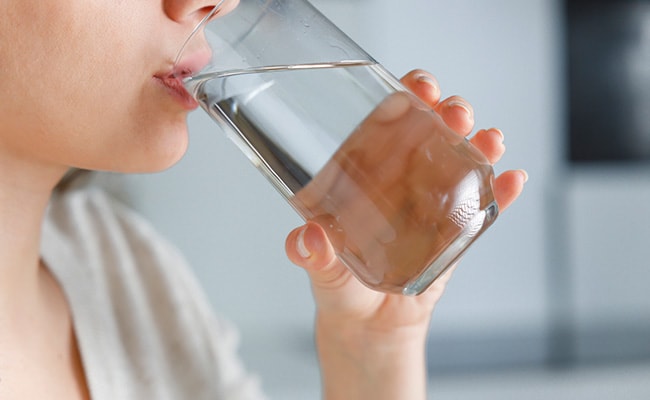
Winter Hydration Alert: 5 Key Signs You Might Be Severely Dehydrated
While the chilly winter months in India bring cozy mornings and frosty evenings, they also hide an often-overlooked health concern: dehydration. Unlike summer, when thirst cues are obvious, cold weather can silently lower your fluid intake. Indoor heating and dry air further exacerbate the problem, leaving many unaware that their bodies are running low on water. Reduced hydration can lead to fatigue, irritability, and even confusing hunger signals despite having eaten meals. Studies have confirmed that people tend to drink less water in winter, making it crucial to recognize early signs and adjust fluid intake to stay healthy.
One of the simplest indicators of hydration status is urine color. Public health organizations, including the World Health Organization (WHO), provide clear guidelines showing how urine color reflects your body’s water levels. Recognizing these cues, along with other symptoms, can help you maintain proper hydration even in the colder months.
Here are five important signs that your body may be severely dehydrated during winter:

1. Persistent Fatigue or Low Energy
Dehydration can reduce blood volume and oxygen delivery, directly affecting energy levels. Mild dehydration often causes tiredness, mood changes, and difficulty concentrating. Modern winter routines—long hours indoors, reduced sunlight exposure, and fewer hydration breaks—can worsen these effects.
Tips to boost hydration during workdays:
Keep a water bottle at your desk for easy access.
Include hydrating foods like cucumbers, fruits, and vegetables in your meals.
Monitor your daily water intake actively.
Take short water breaks regularly to maintain energy levels throughout the day.
2. Frequent Headaches
In winter, dehydration can trigger headaches due to decreased fluid around the brain and reduced blood flow. The dry air and prolonged indoor heating may increase water loss through breathing, further contributing to headaches.
Helpful strategies include:
Use a water bottle with measurement marks to track consumption.
Adjust your water-drinking habits gradually over a week and observe changes.
If headaches persist despite adequate hydration, consult a doctor as other causes may be involved.
3. Dry or Tight Skin
Your skin reflects internal hydration. Cold weather and low humidity can dry out the skin’s outer layers, making it appear dull and less radiant. While dry skin differs from dehydrated skin, dehydration can make signs like fine lines, tightness, or sunken under-eye areas more noticeable.
Indicators of dehydrated skin:
Tightness or discomfort in cold air.
Dullness or lack of natural glow.
More visible fine lines.
Sunken, dry under-eye area.
4. Dizziness or Light-Headedness
Feeling dizzy or light-headed is a more advanced symptom of dehydration. Reduced fluid intake can impair blood circulation and oxygen delivery to the brain, affecting overall balance and blood pressure. While dizziness can have multiple causes, dehydration is a common trigger during winter months.
5. Changes in Urine Color
Urine color is a reliable hydration indicator. WHO-based guidelines suggest:
Lemon yellow or pale yellow: Well hydrated. Continue your routine.
Slightly darker yellow: Time to drink a glass of water immediately.
Medium-dark yellow: Clear sign of dehydration; adjust your daily water intake.
Dark yellow with a strong odor: Drink a large quantity of water and reassess your hydration habits.
Other Common Signs of Dehydration
Dry mouth
Muscle cramps
Rapid heartbeat
Unusual thirst (especially in late stages)
The Indian Medical Research Council recommends tailoring fluid intake based on age, diet, physical activity, and climate. Monitoring these signs and adjusting water intake can help maintain energy, skin health, and overall well-being. However, persistent symptoms such as ongoing dizziness, confusion, or inability to retain fluids require immediate medical attention.
Winter dehydration may be subtle but is entirely preventable. By staying mindful of your water intake and recognizing early warning signs, you can enjoy the colder months without compromising your health.
Disclaimer: This article provides general information and is not a substitute for professional medical advice. Consult a healthcare provider for personalized guidance if you experience persistent or severe dehydration symptoms.