Major Upgrade: India Rolls Out E-Passport; Check the Eligibility, Fees, Benefits And Key Security Upgrades Explained
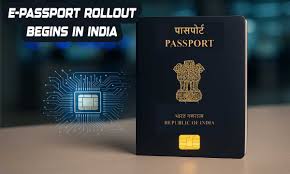
Major Upgrade: India Rolls Out E-Passport; Check the Eligibility, Fees, Benefits And Key Security Upgrades Explained
India introduces chip-enabled passports to strengthen security, curb fraud, and speed up immigration checks
India has officially rolled out the e-Passport, marking a major upgrade in the country’s travel documentation system. The new passport integrates digital technology to improve security, reduce identity fraud, and make international travel smoother for Indian citizens. The initiative aligns India’s passport infrastructure with global standards followed by several developed nations.
The e-Passport looks similar to a regular Indian passport but includes a small embedded electronic chip placed inside the back cover. This chip securely stores encrypted personal and biometric information, including the holder’s photograph and other identity data. The technology is designed to make passports harder to forge or tamper with, addressing long-standing concerns around document fraud and identity theft.
The launch has been carried out by the Government of India as part of its broader effort to modernise citizen services and strengthen border security. Officials say the new system will also help speed up immigration procedures, especially at international airports that use automated biometric verification.

Who Can Apply For An E-Passport?
Any Indian citizen who is eligible for a regular passport can apply for an e-Passport. This includes both first-time applicants and those applying for passport renewal. There is no separate eligibility criterion specific to e-Passports at this stage.
However, the service is currently available only at select centres across the country. Applicants are advised to check whether their nearest Passport Seva Kendra or Post Office Passport Seva Kendra is equipped to issue e-Passports before booking an appointment.
How To Apply For An E-Passport
The application process for an e-Passport remains almost identical to that of a conventional passport. Applicants must register or log in on the official Passport Seva portal, fill out the application form for a new passport or renewal, pay the applicable fee, and book an appointment at a designated PSK or POPSK.

During the appointment, applicants are required to submit documents and provide biometric data such as fingerprints and photographs. Once verification and processing are completed, the e-Passport is printed with the embedded chip and dispatched to the applicant’s registered address.
Application Fees
The government has kept the fees for e-Passports in line with existing passport charges. For a standard passport, the fee is ₹1,500 for a 36-page booklet and ₹2,000 for a 60-page booklet. Additional charges apply for Tatkal or expedited services, depending on the category selected by the applicant.
Key Benefits And Security Upgrades
One of the biggest advantages of the e-Passport is enhanced security. The encrypted chip makes unauthorised data access extremely difficult, significantly reducing the risk of forgery and misuse. The passport also enables faster immigration checks, as biometric information can be read instantly by automated systems at international borders.
Another major benefit is global compliance. The e-Passport adheres to international aviation and travel standards, which is expected to improve acceptance and ease of verification at foreign immigration counters.
Officials believe the rollout will gradually transform international travel for Indian citizens, offering greater safety, convenience, and efficiency. While the initial phase covers limited centres, the government is expected to expand e-Passport services nationwide in the coming months as infrastructure and training scale up.
The launch represents a significant step in India’s digital governance journey, signalling a shift towards more secure and technology-driven public services that directly impact everyday citizens.