Silver crashes 45%, Gold 20% from the peak: What Should Investors Do After Sharp Fall From Peak
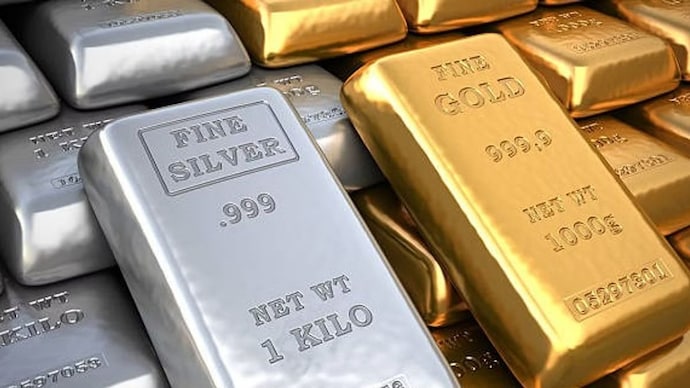
Silver drops up to 45%, gold falls around 20%; experts stress disciplined investing over panic
Gold and silver prices have seen a sharp correction from their recent peaks, leaving many investors worried as their portfolios slip into losses. Silver has dropped nearly 45% from its all-time high, while gold is down around 20%, reflecting increased volatility in global markets.
The fall comes after a strong rally in previous years, especially in 2025, when gold delivered significant returns. However, recent movements have caught late investors off guard, particularly those who entered the market during peak prices.

Why Are Gold And Silver Prices Falling
Several global factors are influencing the decline. A strengthening US dollar is putting pressure on precious metals, making them less attractive as alternative investments. Rising inflation and interest rates are also contributing to the downward trend.
Oil prices are playing a key role by impacting inflation and currency movements simultaneously. Additionally, profit-booking after the earlier rally has led to increased selling pressure in both gold and silver.
Silver, in particular, has seen sharper volatility due to its dual role as both an investment asset and an industrial metal. Weak global demand and market uncertainty have added to its decline.
Silver Sees Sharp Volatility In India
In the domestic market, silver prices have dropped significantly, falling by around ₹5,000 to nearly ₹2.55 lakh per kilogram in cities like Delhi. Prices have been fluctuating between ₹2.55 lakh and ₹3.15 lakh per kg in recent weeks.
Experts say that if the dollar continues to strengthen, silver prices could test lower levels near $65 per ounce. However, industrial demand from sectors like electronics and solar energy may support prices in the long term.
FOMO Investing Behind Recent Losses
Market data indicates that many investors entered gold investments during the rally phase due to fear of missing out (FOMO). In December 2025, gold ETFs saw inflows of ₹11,646 crore, which further surged in January 2026.
Financial experts warn that investing based on market trends or emotions often leads to losses when prices correct.
What Should Investors Do Now
Experts suggest that investors should avoid panic selling and instead focus on long-term planning. Asset allocation, rather than timing the market, plays a crucial role in investment success.
Most financial planners recommend allocating around 10–15% of a portfolio to gold, depending on individual goals and risk appetite. When prices fall, it can be an opportunity to rebalance and invest gradually.
A staggered investment approach, similar to SIPs, helps manage volatility and reduces the impact of sudden price swings.
RBI Strategy Signals Balanced Approach
Data shows that central banks, including the Reserve Bank of India, have followed a disciplined approach. While the RBI bought 72.6 tonnes of gold in 2024, purchases dropped significantly in 2025, suggesting that allocation targets had been met.
Gold now forms a larger share of India’s foreign exchange reserves, highlighting the importance of balance rather than aggressive buying.
Outlook Ahead
Going forward, global cues such as geopolitical tensions, oil prices, inflation trends, and currency movements will continue to influence gold and silver prices.
While short-term volatility may persist, experts believe that disciplined investing and proper allocation can help investors navigate market fluctuations without major losses.
Disclaimer: Investment in gold and silver is subject to market risks. Readers are advised to consult a financial expert before making investment decisions.