‘India Lockdown Again’ Trends After PM Modi’s COVID-Like Preparedness Remark Amid West Asia Crisis
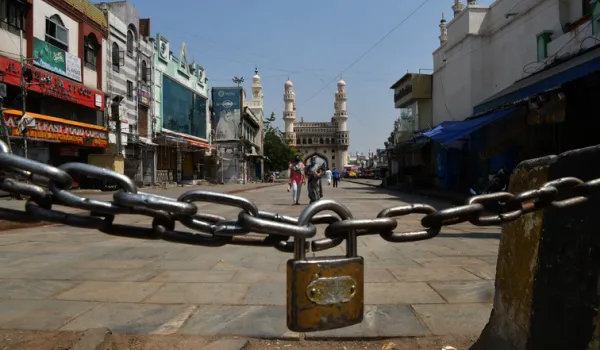
‘India Lockdown Again’ Trends After PM Modi’s COVID-Like Preparedness Remark Amid West Asia Crisis
Online searches around a possible lockdown in India have surged suddenly, driven by a mix of anxiety and speculation following recent remarks by Narendra Modi. Many people, still carrying memories of the COVID-19 crisis, are trying to understand whether the country could face restrictions again—especially as global tensions rise.
The spike in searches such as “India lockdown again” and “lockdown news” comes after the Prime Minister addressed Parliament, speaking about the ongoing conflict in West Asia and its possible long-term global impact. While his comments focused on preparedness, they were widely interpreted by some as a signal of stricter measures ahead.
What Did PM Modi Actually Say?
During his address in the Lok Sabha, PM Modi emphasised that the current international situation could have prolonged consequences. He urged citizens to remain alert and united, drawing a comparison with how India handled the COVID-19 pandemic.

In essence, he conveyed that just as the country stood together during the pandemic, similar readiness would be required to face challenges arising from the present global crisis. He highlighted patience, resilience, and unity as key strengths in dealing with uncertain times.
In another statement, he noted that the government had previously ensured that global crises did not heavily impact farmers and reiterated that approach moving forward. He also stressed that diplomacy and dialogue remain India’s preferred path, adding that the country is in continuous contact with major global stakeholders like Iran, Israel, and the United States to encourage de-escalation.
Is India Heading Toward Another Lockdown?
Despite the buzz, there has been no official announcement or confirmation from the Indian government about imposing a lockdown. The current discussions are largely based on interpretation and public concern rather than policy decisions.
The Prime Minister’s remarks were aimed at preparedness—not restrictions. However, the reference to COVID-19 has understandably triggered strong reactions, given the scale of disruption during that time.
Why the Fear Is Spreading
The growing concern is also linked to the escalating conflict in West Asia, which has begun affecting global supply chains. The situation intensified after joint military actions involving the US and Israel reportedly targeted Iran, followed by retaliatory strikes across multiple locations, including Israeli cities and US bases.
This conflict has had a direct impact on crucial trade routes, particularly the Strait of Hormuz—a vital channel for energy supplies. India depends significantly on LPG imports, with a large portion transported through this route. Disruptions here have raised fears of shortages and price hikes.
Reports suggest that the Indian government has already taken precautionary steps, such as increasing domestic LPG production by around 25%, to reduce dependence and manage potential supply issues.
Government’s Preparedness Measures
Acknowledging the seriousness of the situation, the government has activated multiple strategic groups to monitor and respond to evolving challenges. These teams are expected to focus on areas like fuel availability, fertilisers, gas supply, inflation, and overall supply chain stability.
The idea is to stay ahead of disruptions rather than react after the damage is done—much like the structured response seen during the pandemic.
Why “Lockdown” Became a Trending Topic
The combination of global conflict, economic uncertainty, and references to COVID-19 has created a perfect storm for public speculation. For many, the word “preparedness” instantly translates to restrictions, given past experiences.
However, current evidence suggests that the trend is being driven more by public sentiment than by any confirmed government action.