Harish Rana Passes Away at 32 After 13-Year Coma, Days After Landmark Supreme Court Nod
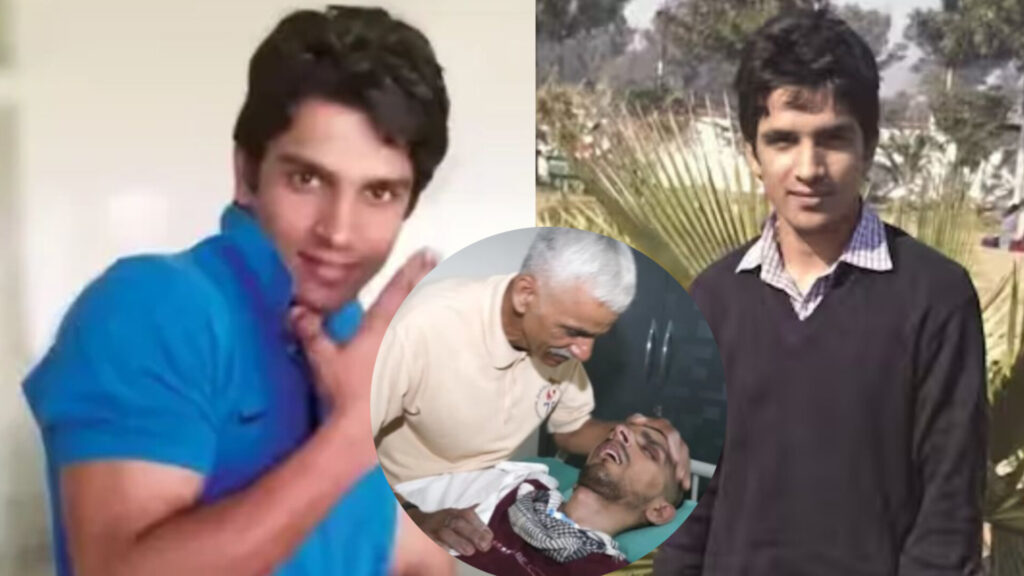
Harish Rana Passes Away at 32 After 13-Year Coma, Days After Landmark Supreme Court Nod
After 13 years of unimaginable suffering and silence, Harish Rana’s long battle finally came to a peaceful end on Tuesday, as he passed away at All India Institute of Medical Sciences in Delhi at 4:10 p.m. His death came just days after the Supreme Court of India delivered a historic judgment allowing the withdrawal of life-sustaining treatment in his case—marking a significant moment in India’s legal and medical history.
Rana, who had been in a persistent vegetative state since 2013, had spent over a decade dependent on life-support systems, with no signs of recovery. His condition stemmed from a tragic accident during his time as a student at Panjab University, when he fell from the fourth floor of his paying guest accommodation. The fall caused severe brain injuries, leaving him completely paralysed with 100% quadriplegic disability.
Over the years, his family stood by him, holding onto hope despite medical experts consistently stating that his condition was irreversible. Eventually, faced with the reality of his prolonged suffering, his parents approached the Supreme Court seeking permission to withdraw clinically-assisted nutrition and hydration (CANH), effectively requesting passive euthanasia.

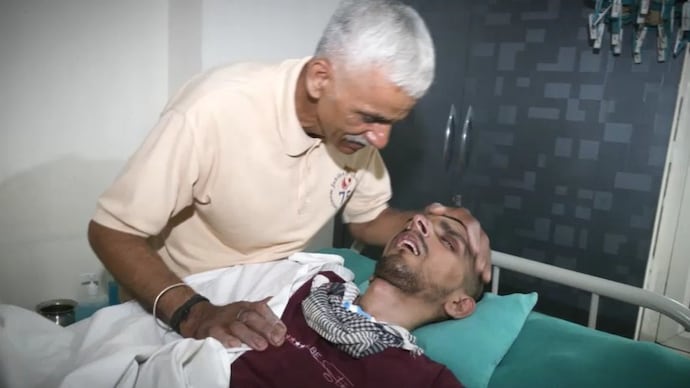
On March 11, the court granted approval under strict safeguards, acknowledging that the “right to life” also includes the right to die with dignity. Notably, the court chose to move away from the phrase “passive euthanasia,” instead referring to it as “withdrawing or withholding medical treatment.” It also emphasized that a doctor’s obligation to continue treatment does not extend indefinitely when there is no hope of recovery.
Following the judgment, Rana was shifted from his home in Ghaziabad to AIIMS Delhi on March 14. There, a specialized medical team—led by Dr. Seema Mishra from the department of anaesthesia and palliative medicine—took charge of his care. The team included experts from neurosurgery, psychiatry, and palliative care, ensuring that every step of the process respected his dignity.
Under careful supervision, doctors gradually began withdrawing life-sustaining interventions, transitioning him into palliative care focused on comfort rather than cure. Eleven days later, Rana passed away peacefully.
The hospital, in an official statement, expressed its condolences, stating that a dedicated team had been caring for him throughout his stay and extended sympathies to his grieving family.
Despite their loss, Rana’s family chose to turn their grief into a gesture of hope. His corneas and heart valves were donated, offering life and vision to others—an act that many have called deeply inspiring.
Earlier, his father, Ashok Rana, had described the court’s decision as both “relieving and painful,” adding that the family preferred to see it not as euthanasia but as “a dignified farewell from suffering.”
Rana’s case has now become a defining moment in India’s evolving legal framework on end-of-life care. While passive euthanasia had been legally recognized earlier in the landmark Aruna Shanbaug vs Union of India ruling, this was among the first instances where the court explicitly permitted the withdrawal of life-sustaining treatment under such circumstances. The Supreme Court has also urged the government to consider enacting a clear law on passive euthanasia, highlighting the need for structured guidelines in such deeply sensitive matters.