India Moves Towards E25 To Cut Oil Imports: Cars To Run On 25% Ethanol Blends
India Moves Towards E25 To Cut Oil Imports: Cars To Run On 25% Ethanol Blends
Government pushes ethanol expansion to cut oil imports, signals gradual shift away from petrol and diesel
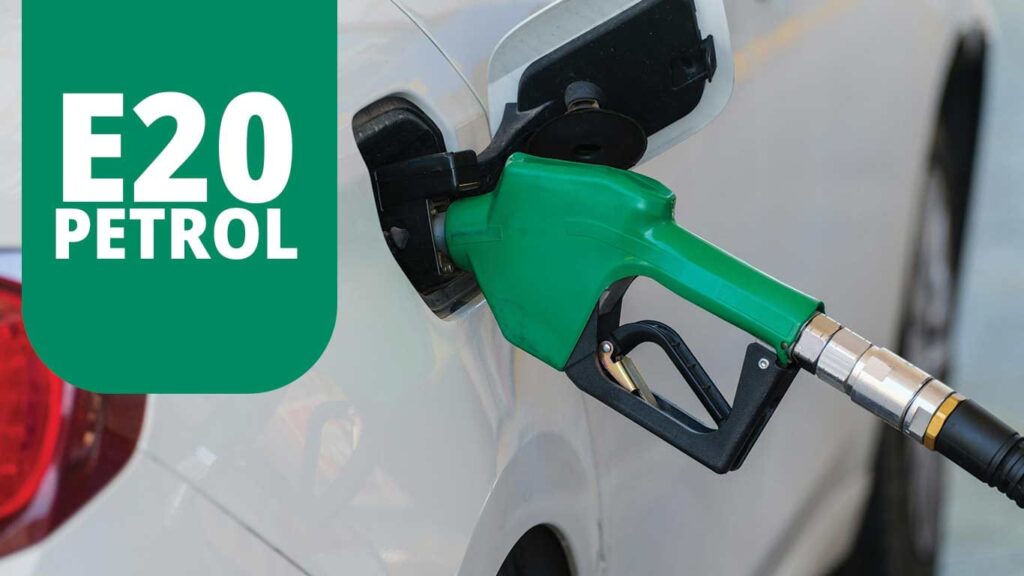
India is preparing for a major shift in its fuel ecosystem, with new rules proposed to allow vehicles to run on higher ethanol-blended fuels, including up to 25% ethanol and beyond. The move marks the next phase of the country’s aggressive biofuel strategy aimed at reducing dependence on imported crude oil.
After successfully achieving the target of 20% ethanol blending (E20) in petrol in 2025, policymakers are now looking to expand the framework further. The proposed changes open the door for fuels such as E85, which contains 85% ethanol and even E100, where vehicles can run on nearly pure ethanol.

This transition is being positioned as both an economic and strategic decision. By increasing ethanol usage, India aims to cut down on expensive petroleum imports, especially at a time when global supply chains remain vulnerable to geopolitical tensions. The shift is also expected to support domestic industries like sugar and agriculture, as ethanol production is largely derived from sugarcane and other crops.

The government has already taken steps to ensure sufficient raw material availability for ethanol production. Restrictions on the use of sugarcane-based inputs including syrup and molasses have been eased, allowing greater supply to distilleries. This is expected to boost ethanol output in the coming years.
At the same time, the transition is not without concerns. Industry experts have flagged that vehicles originally designed for lower ethanol blends may see a slight drop in fuel efficiency when running on higher blends. There are also questions around infrastructure readiness, vehicle compatibility, and the need for technological upgrades across the automobile sector.
Automobile manufacturers have sought policy support to manage the transition. Suggestions include tax incentives for ethanol-compatible vehicles and measures to offset any marginal efficiency losses. While no formal incentives have been announced yet, discussions between policymakers and industry stakeholders are ongoing.
Officials have indicated that the push towards higher ethanol blending is part of a long-term roadmap. Vehicles manufactured after April 2023 are already being designed with E20 compatibility, and future models are expected to support even higher blends. A phased transition is being planned to ensure minimal disruption for consumers.
Globally, countries like Brazil have already demonstrated the viability of high ethanol usage in transportation. India is studying such models while adapting them to local conditions, including the possibility of separate fuel dispensers for different blends.
The broader message from policymakers is clear the future of mobility is gradually shifting away from conventional petrol and diesel. With regulatory changes underway and production capacity expanding, ethanol is set to play a central role in India’s energy transition in the coming years.