Pimpri-Chinchwad Residents Question Proposed Hike In Corporators’ Vehicle Allowances
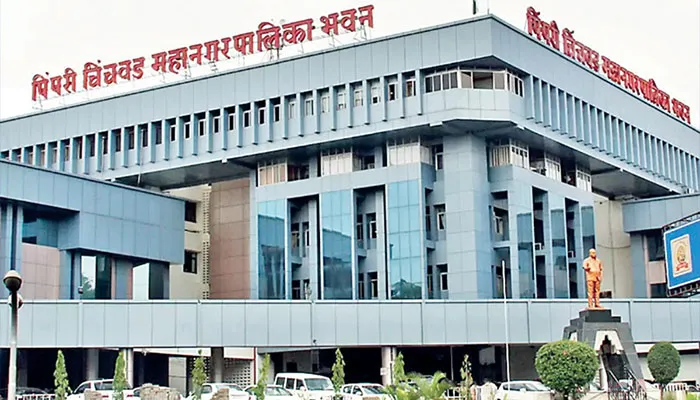
PCMC Reorganises Ward Committees, Establishes 10 Regional Offices Named After Forts
Pimpri-Chinchwad, May 13, 2026: A proposed increase in vehicle allowances for corporators in the Pimpri-Chinchwad Municipal Corporation has triggered strong reactions from residents and taxpayer groups, with many questioning whether such spending is justified at a time when citizens are grappling with rising living costs and civic issues.
According to an official resolution passed on April 1, 2026, corporators may receive a fixed monthly reimbursement of ₹50,000 for the use of private vehicles for official duties. The proposal, which was reportedly approved unanimously, has now become the centre of public debate across the city.
Residents claim that when combined with existing allowances and benefits, the overall monthly expense linked to each corporator could rise to nearly ₹87,000. With 128 corporators in the civic body, critics estimate that the annual expenditure on vehicle-related reimbursements alone could touch nearly ₹13.3 crore.

For many taxpayers, the issue goes beyond numbers. Citizens say the move sends the wrong message at a time when several parts of Pimpri-Chinchwad continue to struggle with potholes, traffic congestion, water supply concerns, and infrastructure gaps.
“People are paying taxes expecting better roads, cleaner neighbourhoods, and improved services. Instead, they are hearing about huge increases in allowances,” said a resident from Wakad. “Many families are trying to manage household budgets amid inflation, so naturally this decision is upsetting.”
Several residents also pointed out that the proposal appears contrary to the austerity measures and cost-cutting approach often advocated by Narendra Modi. Citizens argue that elected representatives should show financial restraint and prioritize public welfare projects over additional perks.
Local citizen groups and activists have now urged Maharashtra Chief Minister Devendra Fadnavis to review the proposal and ensure greater transparency in civic spending. Many are demanding that the funds instead be diverted toward improving roads, drainage systems, public transport, and other essential civic infrastructure.
The issue has sparked widespread discussion among residents, with many calling for a balance between administrative expenses and the everyday needs of taxpayers who ultimately fund the system.