Asia Rice Prices Jump 20% In May As War And Weather Threaten Production
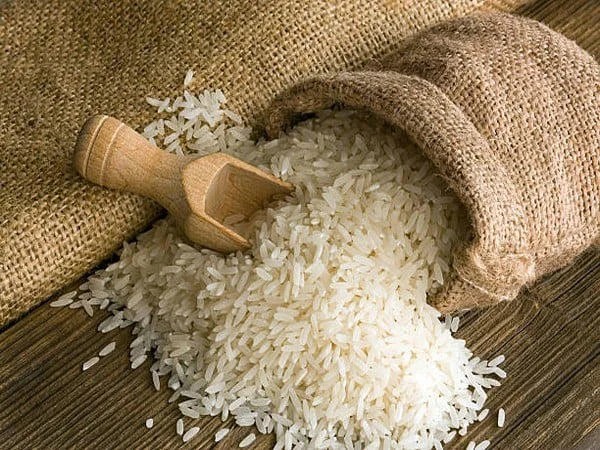
Rice prices across Asia recorded their sharpest monthly rise in nearly two decades during May, driven by growing concerns over weather risks, rising production costs and disruptions to energy and fertilizer supplies.
Rice prices across Asia surged sharply in May, raising concerns about food security and production costs in some of the world’s biggest rice-producing and consuming nations. Thailand’s benchmark white rice prices rose nearly 20 per cent during the month, marking the largest monthly increase since 2008.
The rally was not limited to physical markets. Rice futures traded on the Chicago Board of Trade also climbed around 15 per cent during May, reflecting growing worries over global supply conditions.

Analysts say a combination of geopolitical tensions and weather-related risks is driving the price spike. Concerns have intensified over disruptions to fuel and fertilizer supplies following tensions in the Middle East and reduced movement through the Strait of Hormuz, a critical global shipping route.
Rice cultivation depends heavily on fertilizers, while irrigation systems in many countries rely on diesel-powered pumps. As fuel and fertilizer costs rise, farmers are facing higher production expenses at the start of the key planting season.
According to agricultural experts, fertilizer prices in countries such as Thailand, Cambodia and the Philippines have increased by about 40 to 50 per cent since the conflict began earlier this year. While existing inventories have helped meet immediate demand, concerns remain that prolonged disruptions could affect future supplies and farming operations.
Weather forecasts are adding to the uncertainty. The expected arrival of El Niño conditions could bring hotter and drier weather across parts of Asia, increasing the risk of lower rice yields. Such conditions can reduce rainfall and place additional pressure on irrigation resources, making cultivation more expensive and challenging.
The Philippines has already warned that a strong El Niño event could reduce paddy rice production by as much as 700,000 tonnes, equivalent to around 3.5 per cent of its annual production target.
Experts caution that any significant decline in Asian rice production could affect global supply chains, as countries such as India, Thailand and Vietnam play a crucial role in international rice exports. However, some analysts believe that ample stockpiles, particularly in India, along with relatively weak global demand, may help prevent even sharper price increases in the international market.
The coming months are expected to be critical as farmers navigate rising costs, weather uncertainties and supply chain challenges that could shape rice production and prices across the region.