Want Fresh Spinach at Home? Follow These Simple Growing Tips for a Healthy Harvest
Want Fresh Spinach at Home? Follow These Simple Growing Tips for a Healthy Harvest
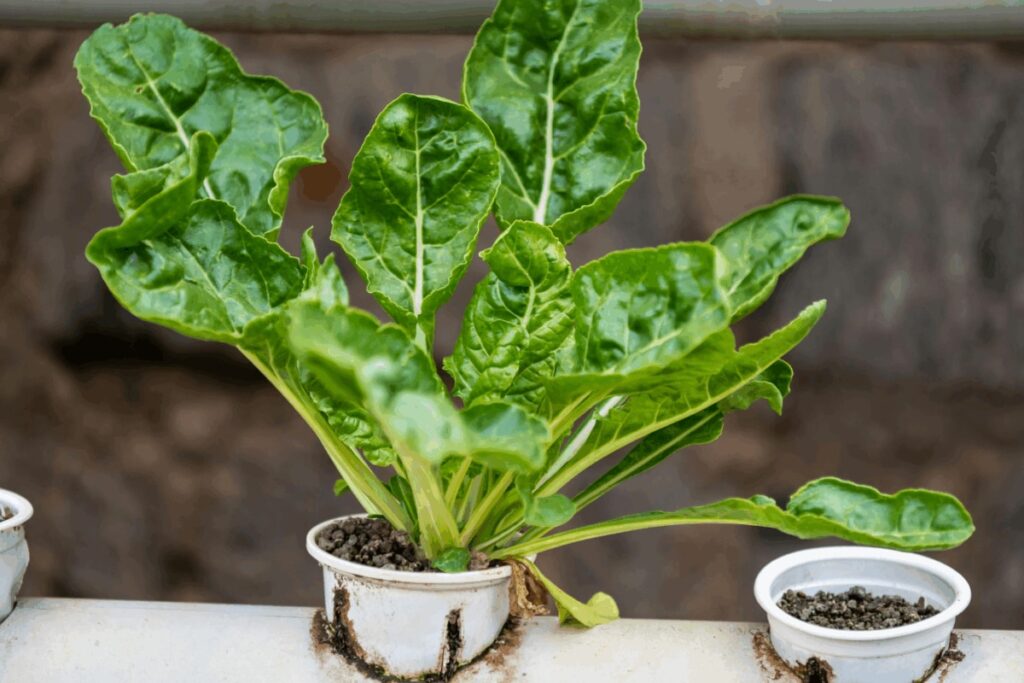
Spinach is among the easiest and fastest-growing leafy vegetables that can be cultivated at home, making it a popular choice for kitchen gardeners. Packed with vitamins A, C and K, along with iron and antioxidants, spinach thrives in pots, grow bags, balconies, terraces and backyard gardens with minimal maintenance. With proper care, fresh leaves can be harvested within a few weeks of planting.
Choose the Right Location
Spinach grows best in cool weather and requires four to six hours of sunlight daily. Experts recommend selecting a location that receives morning sunlight and partial shade during the hotter hours of the day. For indoor cultivation, placing the container near a bright window can provide adequate light.

Use a Suitable Container
A pot or grow bag with a depth of 6 to 8 inches is generally sufficient for spinach cultivation. Containers should have proper drainage holes to prevent waterlogging, which can damage plant roots and affect growth.

Prepare Nutrient-Rich Soil
Healthy spinach growth depends on fertile, well-draining soil rich in organic matter. A mixture of garden soil, compost and cocopeat is considered ideal. Gardeners are advised to mix compost thoroughly into the soil before sowing seeds to ensure a steady supply of nutrients.
Sow Seeds Correctly
Spinach seeds should be planted directly into the soil at a depth of about half an inch, with a spacing of 2 to 3 inches between seeds. After sowing, the seeds should be lightly covered with soil and watered gently. Under suitable conditions, germination typically occurs within 5 to 10 days.
Maintain Consistent Watering
Spinach requires consistently moist soil for healthy development. Watering should be done whenever the top layer of soil begins to dry out. However, excessive watering should be avoided as it may lead to root rot and fungal diseases.
Thin Seedlings for Better Growth
Once seedlings develop two to three true leaves, weaker plants should be removed to provide adequate space for the remaining plants. Proper spacing improves airflow and allows plants to access sufficient sunlight and nutrients.
Feed Plants Regularly
Applying organic compost or liquid fertiliser every two to three weeks can encourage lush leaf growth. Nitrogen-rich fertilisers are particularly beneficial for spinach and other leafy vegetables.
Keep an Eye on Pests
Although spinach is relatively easy to grow, pests such as aphids, caterpillars and leaf miners can occasionally affect the crop. Neem oil sprays and other organic pest-control solutions can help manage infestations without harming the plants.
Harvest at the Right Time
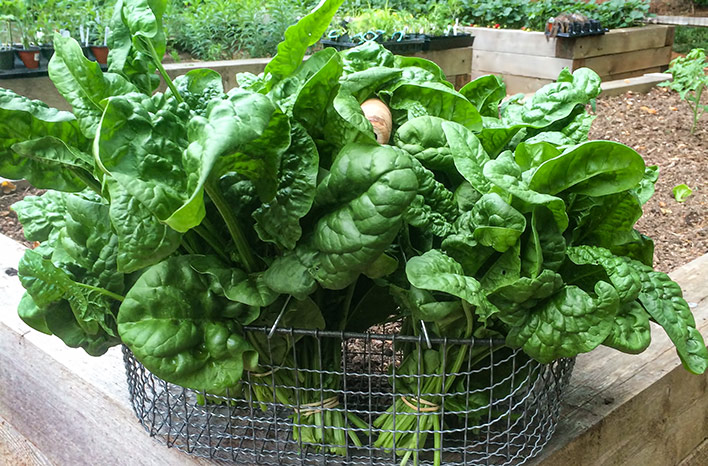
Spinach is usually ready for harvesting within 30 to 45 days after sowing. Gardeners are advised to harvest the outer leaves first while allowing the inner leaves to continue growing. This method supports multiple harvests from the same plant over an extended period.
Best Season for Growing Spinach
Experts recommend growing spinach during cooler months, as high temperatures can cause the plant to flower prematurely, reducing leaf production. Regular watering, fertile soil and timely harvesting can help ensure a continuous supply of fresh and tender spinach leaves.
Growing spinach at home is a simple and rewarding way to enjoy fresh, nutritious greens straight from the garden. Whether cultivated in a small balcony container or a backyard vegetable patch, spinach can provide a steady harvest with minimal effort and care.