How Much Water Is Left in Maharashtra’s Reservoirs? Pune Hit Hard, Rural Areas Also Facing A Severe Crisis
How Much Water Is Left in Maharashtra’s Reservoirs? Pune Hit Hard, Rural Areas Also Facing A Severe Crisis
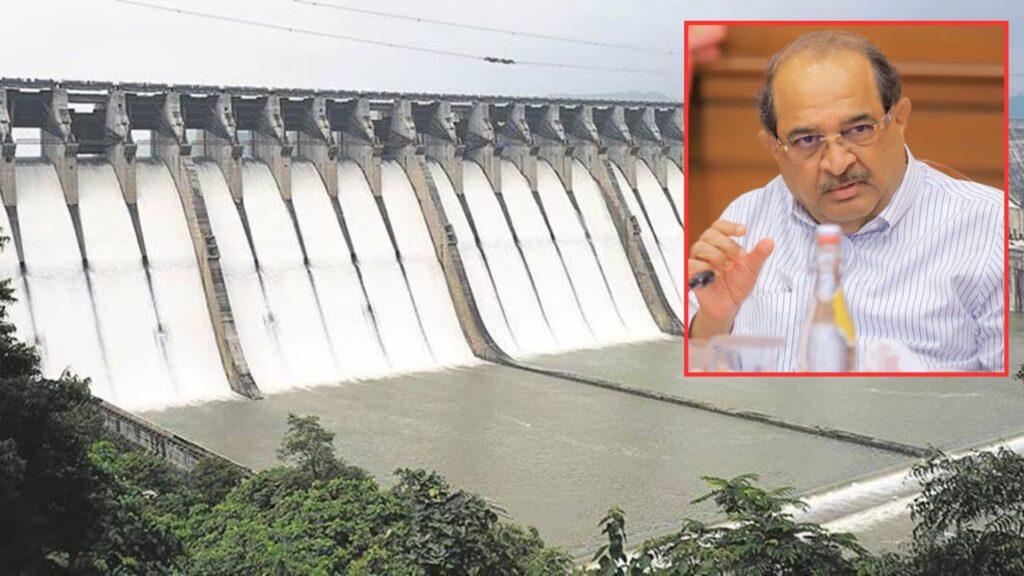
Mumbai, June 15, 2026: Amid below-normal rainfall and declining reservoir levels across Maharashtra, Water Resources Minister Radhakrishna Vikhe Patil has directed officials to give top priority to ensuring an uninterrupted supply of drinking water to citizens until August 31, 2026. The minister also ordered strict action against illegal water extraction across the state.
The directions were issued during a high-level review meeting held at Sinchan Bhavan to assess water storage levels in reservoirs under the Krishna and Godavari river basin regions and to review preparedness ahead of the upcoming monsoon season. The meeting was attended by senior officials, including Krishna Valley Development Corporation Executive Director Hanmant Dhumal, Godavari Irrigation Development Corporation Executive Director Jaywant Gawali, chief engineers, superintending engineers, and executive engineers.

State Reservoir Storage Drops to 25%
Officials informed the meeting that the state’s total live water storage currently stands at 357.5 TMC, or 25% of usable capacity, which is lower than the corresponding period last year. The decline has been attributed to significantly lower rainfall so far this year, resulting in minimal inflow into reservoirs.

The minister expressed particular concern over the situation in the Pune division, where usable water storage has dropped considerably compared to last year. He instructed officials to treat the situation with urgency and seriousness.
Drinking Water Reserve for Pune and Pimpri-Chinchwad
Vikhe Patil directed authorities to reserve sufficient water to ensure drinking water supply for nearly 8.5 million residents of Pune and Pimpri-Chinchwad until August 31.
He also instructed officials to immediately review available water stocks in all reservoirs, dams, and major water sources across Marathwada and areas under the Krishna basin. Authorities have been asked to determine a dedicated reserve quota for drinking water after considering the population dependent on each water source.
The minister further emphasized the need for close coordination between the Water Resources Department, district administrations, municipal corporations, Zilla Parishads, and water supply agencies to prepare an effective water management action plan.
Nashik and Marathwada Also Under Stress
During the review, officials reported that usable water storage in the Nashik division currently stands at 26%, while the Marathwada division has 28% storage. Rainfall in both regions has been significantly below expectations, leading to concerns over water availability.
Officials were instructed to prioritize drinking water requirements in Marathwada and Ahilyanagar districts and to manage available resources carefully to avoid shortages.
District-Wise Action Plans Ordered
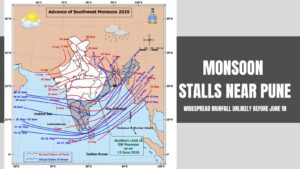
The minister directed authorities to use available water resources cautiously until substantial inflows are received from the monsoon. Considering the uncertainty surrounding rainfall, district-specific action plans will be prepared for Nashik, Ahilyanagar, Pune, and Marathwada regions.
The plans will focus on ensuring drinking water supply, mitigating shortages in both urban and rural areas, and protecting existing water resources. Special attention will be given to water management in Ahilyanagar district and projects within the Godavari basin through coordinated efforts between local administrations, the Water Resources Department, and water supply agencies.
Crackdown on Illegal Water Extraction
Vikhe Patil also called for a public awareness campaign urging citizens to use available water only for essential purposes and to prioritize drinking water needs.
To curb unauthorized water withdrawal, the minister ordered the launch of a special enforcement drive involving joint teams from the Revenue Department, Police Department, and Water Resources Department. He directed officials to take strict action against those involved in illegal water extraction.
With reservoir levels remaining significantly below normal and monsoon inflows yet to improve the situation, the state government has begun implementing precautionary measures to manage water resources and prevent a drinking water crisis in the coming months.