Can Tenants Install TVs, Wallpapers And Shelves In A Rented Home? Know What Is Legal And What Could Land You In Trouble

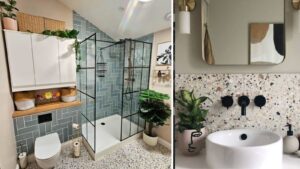
Can Tenants Install TVs, Wallpapers And Shelves In A Rented Home? Know What Is Legal And What Could Land You In Trouble ( Representative Image )
From mounting a television to installing peel-and-stick wallpaper, tenants often personalise rented homes. However, certain modifications may require the landlord’s approval and could lead to disputes if not handled properly.
By Vidhi Lalla
Moving into a rented home often comes with the desire to make the space feel more personal and comfortable. Whether it is installing a television, adding decorative wallpapers or putting up shelves, many tenants wonder how far they can go without violating rental agreements or property laws.
Property experts say the answer largely depends on whether the changes are temporary and reversible or permanent and structural.


Under Indian property laws, tenants are generally expected to return a rented property in substantially the same condition in which it was received, subject to normal wear and tear. While temporary customisations are usually acceptable, major alterations can create legal complications and even lead to deductions from the security deposit.
Temporary modifications that can be easily removed are generally considered acceptable. These may include installing peel-and-stick wallpapers, removable wall stickers, mirrors, clocks, curtains, television units, floating shelves, removable storage racks and decorative fixtures.
Many tenants also install smart TVs, internet wiring, temporary partitions and home-office setups, especially as hybrid work culture continues to grow in cities such as Pune, Mumbai, Bengaluru and Hyderabad.
However, problems arise when modifications affect the structure or permanent features of the property.
Knocking down walls, altering plumbing lines, changing flooring, breaking tiles, modifying electrical systems or carrying out major renovations without permission can result in legal disputes. Such changes may also require the tenant to restore the property to its original condition before vacating.
Property lawyers advise tenants to obtain written approval before making any modification that involves drilling, painting, wiring or structural work.
“Many tenant-landlord disputes arise not because of the modification itself, but because there is no written record of consent. Even a simple alteration can become contentious if expectations are not documented,” said Amey Lodha, a Pune-based property lawyer.
Experts point out that some alterations fall into a grey area. Repainting a wall in the same colour may be viewed differently from changing the colour scheme entirely. Similarly, mounting a television with minimal drilling may be acceptable, while extensive wall modifications may require approval.
“Today’s tenants often want homes that reflect their lifestyle. Most landlords are open to reasonable customisations, provided the property can be restored to its original condition when the tenancy ends,” said Karishma Seth, a residential property consultant.
Landlords, meanwhile, stress the importance of communication before any work begins.
“We understand tenants want to make the house feel like home. But informing the owner beforehand avoids misunderstandings and protects both parties from future disagreements,” said Amit Shahne, a landlord who manages multiple rental properties in Pune.
Housing experts recommend clearly defining renovation and modification rules in the rental agreement itself. This helps prevent disputes over security deposits, repairs and restoration costs at the time of vacating the property.
The safest approach for tenants is to seek written permission before making any significant change and retain records of approvals throughout the tenancy period.
FAQs
Can a tenant install a TV on the wall in a rented home?
Generally yes, but it is advisable to inform the landlord if drilling is required.
Are peel-and-stick wallpapers allowed in rented houses?
In most cases, yes. They are considered temporary and removable modifications.
Can a tenant repaint the house?
Minor repainting may be allowed, but changing colours or painting large areas should ideally be done with the landlord’s approval.
Can tenants install shelves and storage racks?
Removable shelves and racks are usually permitted, but extensive drilling or permanent fixtures may require consent.
Is it legal to alter plumbing or electrical systems in a rented property?
Major modifications to plumbing, wiring or structural elements generally require prior approval from the landlord.
Can a landlord deduct money from the security deposit for modifications?
Yes, if unauthorised alterations cause damage or restoration expenses, deductions may be made from the security deposit.
What is the safest way to avoid disputes?
Obtain written permission for significant modifications and ensure all approvals are documented.
Disclaimer: This article is for informational purposes only and should not be construed as legal advice. Tenants and landlords should consult qualified legal professionals and review their rental agreements before undertaking any property modifications.