12124 Pune-Mumbai Deccan Queen: The Incredible Story of ‘Deccan Chi Rani’
12124 Pune-Mumbai Deccan Queen: The Incredible Story of 'Deccan Chi Rani'
96 years on the tracks, a dining car, passes through waterfalls and a birthday celebrated every single year, meet the Queen of Indian Railways
By Vidhi Lalla
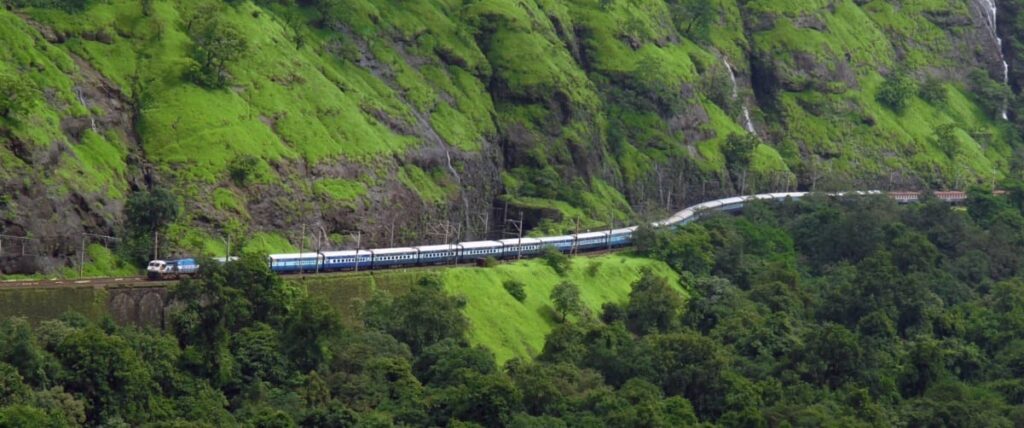
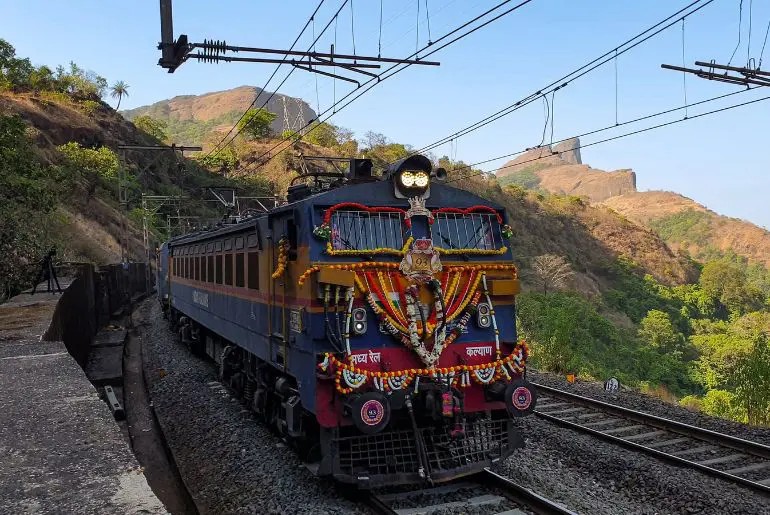
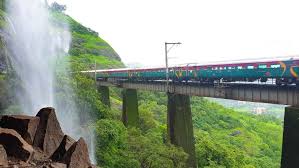
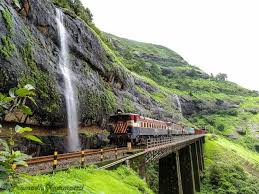
Pune: Picture this. It is 7:15 in the morning. The mist is still hanging low over the Sahyadri hills. A locomotive begins to move from Pune Junction, coaches gleaming in their signature cream and Oxford blue livery with a bold red stripe. Within minutes, the city falls behind and the train begins its legendary journey toward Mumbai. Bridges, waterfalls, and tunnels blur past the windows. This is not just any train. This is the Deccan Queen, train number 12124, and it has been doing this same run, faithfully and gloriously, since the 1st of June, 1930.

The Queen That Started It All
Here is something to think about. When the Deccan Queen was introduced on June 1, 1930, it was India’s first superfast train, first long-distance electric-hauled train, first vestibuled train, the first train to have a women-only car, and the first train to feature a dining car. Five firsts. In one train. On the same day. No other train in Indian railway history came close to pulling that off.

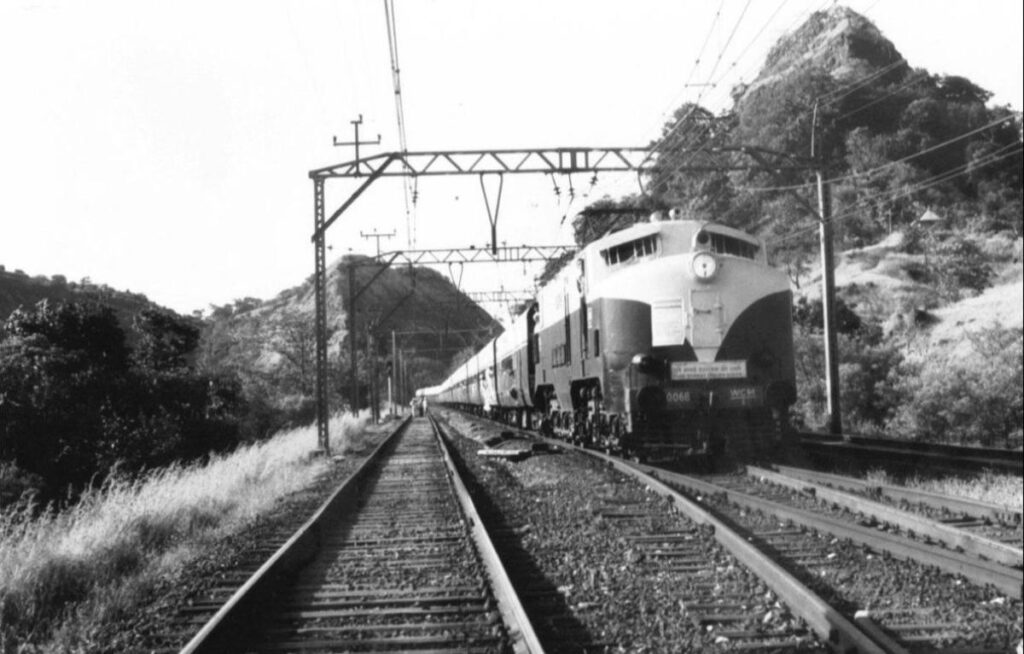
The train was introduced with only two rakes of seven coaches each. One of these rakes was painted in silver with scarlet mouldings, and the other in royal blue with golden lines. The underframes of the coaches of the original rakes were built in England, and the coach bodies were built in Mumbai’s Matunga workshop of the GIP Railway.
It was not built for ordinary commuters at first. The Deccan Queen began as a weekend luxury service for British elites travelling from Bombay to Pune for horse racing at the Pune Race Course. Rich, powerful, and exclusive, this train was everything ordinary people could only dream of. But India had other plans for it, and eventually the Queen became everyone’s Queen.
Named After Pune Itself
There is something poetic about the name. The service name comes from the Marathi nickname “दख्खन ची राणी” meaning Queen of the Deccan, a popular nickname for Pune. So the train named after a city, runs to and from that same city, every single day. The Deccan Queen is Pune’s pride on wheels, and Pune’s identity is baked right into the name on every coach.
The Bhor Ghat: Where the Journey Becomes Magical
If there is one stretch that makes the Deccan Queen legendary among railway enthusiasts, it is the Bhor Ghat. The section through Bhor Ghat with 28 tunnels and old bridges was opened in 1863. The Ghat opened Mumbai to the Deccan plains of Peninsular India.
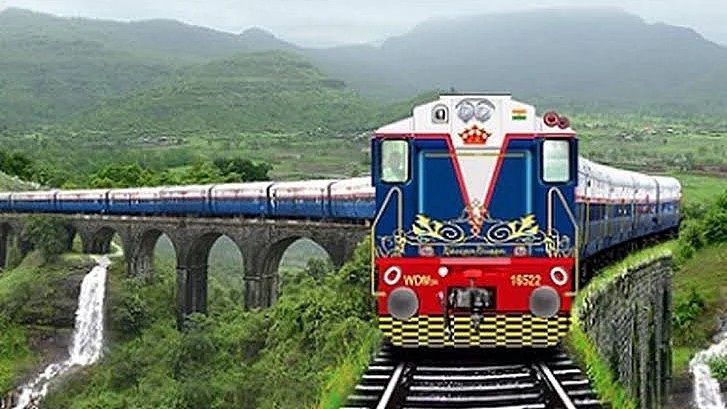
When the Deccan Queen passes through Bhor Ghat, the experience is genuinely hard to put into words. Waterfalls stream directly across the windows of the train. Clouds sit so low that they brush the glass. Ancient tunnels swallow the entire train in darkness for seconds at a time, only to spit it back out into dazzling green hillsides. The Instagram reel in the reference images describes it perfectly: if you stretch your hand out of the window here, it feels like you are touching the icy cold water of the falls directly. That is not an exaggeration.
The Deccan Queen was the first intercity passenger train to be hauled by an electric locomotive, and was also the first to not use the reversing station at Bhor Ghat, which was abandoned in 1929 following electrification and construction of new tunnels. Engineering that was revolutionary nearly a century ago is still in use today.
The Dining Car That India Talks About
Ask any Deccan Queen regular what they remember most and they will say the dining car. The Deccan Queen is the only train in all of India with a dining car that offers table service for 32 passengers. It also has modern pantry facilities such as a microwave, deep freezer and toaster.
The most ideal time to dine in the Dining Car is 8:30 am for breakfast and 6:30 pm for high tea when the Queen is passing through Bhor Ghat, enjoying the stunning scenery passing by. The Queen’s Dining Car is famous for serving the best food there is to be had on the Indian Railways.
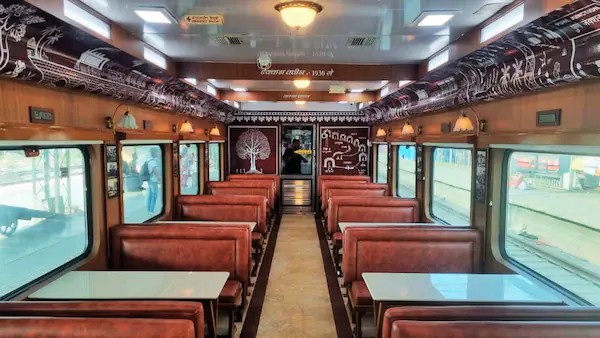
Passengers have spoken fondly for decades about eating cutlet from nice crockery while waterfalls rolled past the window outside. That is not a train experience. That is a whole mood.
A Train That Celebrates Its Own Birthday
How many vehicles in the world have their birthday celebrated every year by the people who use them? The train’s long history and common use as a commuter train has gained it significant popularity, including annual celebrations of its “birthday” on June 1 at Pune Junction.
Every year on June 1st, regular pass holders, railway fans, and station officials gather at Pune Junction to cut a cake and mark another year of the Deccan Queen’s life. The train turned 96 years old in June 2026. Not many things in India have been running continuously, on the same route, for that long.
Speed and Scale Today
Deccan Queen is one of the fastest train services linking Chhatrapati Shivaji Maharaj Terminus and Pune Junction. It has an average operating speed of 60 km/h including stops, and a top speed of 105 km/h.
The Deccan Queen covers 192 kilometres in approximately three hours and fifteen minutes. It was introduced on 1 June 1930 by the Great Indian Peninsular Railway as India’s inaugural deluxe train, designed to connect two key regional cities with enhanced comfort and speed.
In 2020, the train received Linke-Hofmann-Busch coaches, German-engineered for better crashworthiness, lighter weight, and lower derailment risk compared to older coaches. The Deccan Queen is also the second train in India to have received ISO 9000 certification.
The Route That Keeps Giving
12124 Pune-Mumbai Deccan Queen leaves Pune Junction every day at 0715 hours and reaches Mumbai CSMT at 1025 hours. The train travels non-stop till Lonavala after leaving Pune Junction, crosses the Bhor Ghat, skips Karjat, stops at Dadar, and terminates at Mumbai CSMT.
The return service, 12123, leaves Mumbai CSMT at 1710 hours and reaches Pune by 2025 hours. Evening passengers on the return leg get to watch the monsoon sunset over the Ghats, which is something no money can fully buy.
Why the Deccan Queen Is Not Just a Train
The Deccan Queen is one of those rare things that carries more than passengers. It carries memories. Generations of Punekars and Mumbaikars have taken it for job interviews, college admissions, family visits, and first dates. The dining car has seen marriage proposals. The windows have framed some of the most beautiful monsoon views in India.
At 96 years old and still running every single day, the Deccan Queen is not just a train. It is a living piece of India’s history, climbing through 28 tunnels, past hundreds of waterfalls, connecting two great cities with the same dignity and grace it has carried since 1930.
Frequently Asked Questions
When did the Deccan Queen start running? The Deccan Queen began service on June 1, 1930, making it over 96 years old as of 2026. It is India’s first superfast train, first electric-hauled long-distance train, and first train with a dining car.
How long does the Deccan Queen take from Pune to Mumbai? The journey covers 192 kilometres and takes approximately 3 hours and 10 minutes. The train departs Pune at 7:15 AM and arrives at Mumbai CSMT at 10:25 AM.
How many tunnels does the Deccan Queen pass through? The Bhor Ghat section between Lonavala and Karjat has 28 tunnels, all of which the Deccan Queen passes through on every journey.
Is the dining car still available on the Deccan Queen? The dining car has had a complicated recent history but the train currently carries a pantry car. Historically, the dining car offered table service for 32 passengers and was the only such car on any Indian train.