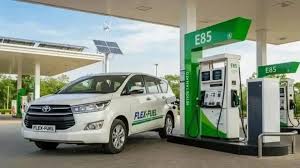
Choosing a CNG Car? Here’s How Tata iCNG and Maruti S-CNG Differ
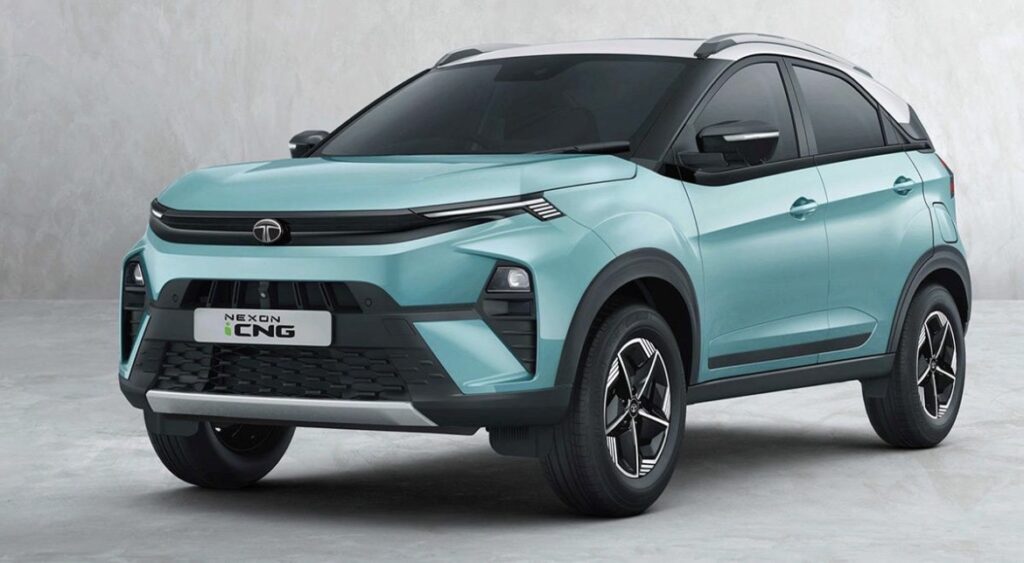
Choosing a CNG Car? Here's How Tata iCNG and Maruti S-CNG Differ
CNG vehicles are becoming popular in India due to their lower running costs and fuel efficiency. Tata Motors and Maruti Suzuki are among the leading manufacturers offering CNG-powered cars. However, many car buyers often notice that Maruti Suzuki’s CNG models generally offer higher mileage than Tata’s CNG vehicles. Several factors contribute to this difference.
Focus on Mileage vs Overall Performance
Maruti Suzuki has traditionally designed its CNG vehicles with a strong emphasis on fuel efficiency. Most of its models use smaller, lightweight engines that are specifically tuned to deliver maximum mileage.


Tata Motors, meanwhile, focuses on providing a balance of safety, performance, comfort, and fuel economy. As a result, its vehicles may not always achieve the same mileage figures as Maruti’s models.
Heavier Build Impacts Fuel Efficiency
One of the primary reasons for the mileage gap is vehicle weight. Tata cars are known for their strong build quality and high safety standards. The use of reinforced steel and additional safety features increases overall vehicle weight.
While this enhances passenger protection and road stability, a heavier vehicle requires more energy to move, which can affect fuel efficiency. Maruti’s lighter vehicles often consume less fuel and deliver higher mileage.
Differences in Engine Configuration
Maruti Suzuki’s CNG lineup largely consists of smaller-capacity engines that are optimized for efficiency. These engines are designed to extract the maximum distance from every kilogram of CNG.
In contrast, Tata often uses larger engines that provide better power delivery and driving performance. Although this improves the driving experience, it can slightly reduce fuel economy compared to smaller engines.
Aerodynamics and Vehicle Design
Vehicle design also influences mileage. Cars with lighter bodies and streamlined shapes face less air resistance, helping improve efficiency. Many Maruti Suzuki models are engineered with fuel economy as a priority.
Tata vehicles, particularly SUVs, feature a more rugged design and stronger construction, which may affect overall mileage but offers benefits such as better stability and road presence.
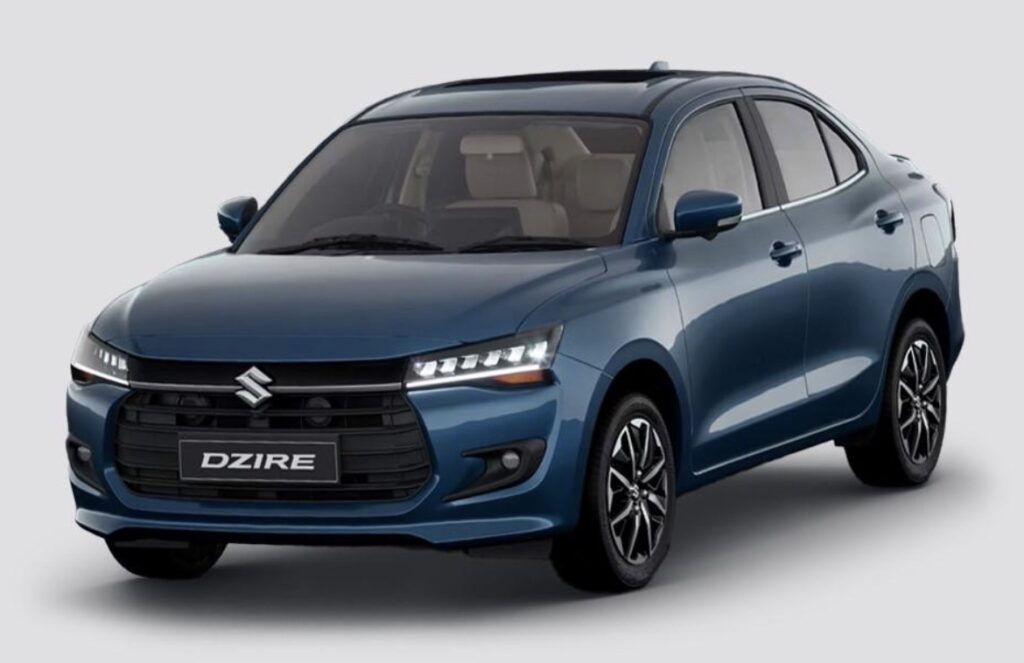
Tata iCNG and Maruti S-CNG Technologies
Tata’s iCNG technology is built around safety and practicality. Features such as leak detection systems, thermal incident protection, and automatic fuel cut-off mechanisms are designed to enhance passenger safety.
Maruti Suzuki’s S-CNG technology focuses on delivering reliable performance, smoother operation, and better fuel efficiency. The company has continuously refined its CNG systems to improve mileage and reduce operating costs.
Choosing between Tata iCNG and Maruti S-CNG depends on individual priorities. Buyers looking for maximum fuel efficiency may prefer Maruti Suzuki’s CNG models. Those who prioritize safety, build quality, and a solid driving experience may find Tata’s offerings more appealing.
Both brands offer dependable CNG vehicles, and prospective buyers should compare factors such as mileage, safety features, performance, and budget before making a purchase decision.