Monsoon Arrives in Pune: Wet Roads, Potholes Raise Risk of Car Skidding and Overturning
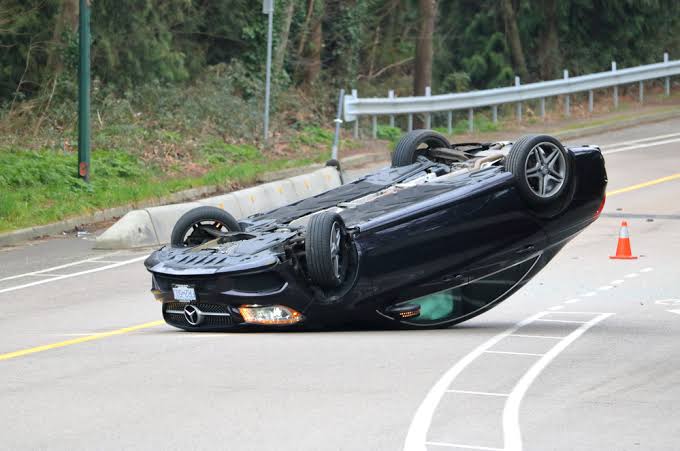
Monsoon Arrives in Pune: Wet Roads, Potholes Raise Risk of Car Skidding and Overturning
With the monsoon gaining momentum in Pune and surrounding ghat sections, experts urge motorists to slow down, avoid waterlogged roads and check tyre condition before travelling.
By Vidhi Lalla
Pune: As the southwest monsoon gathers pace across Pune and neighbouring districts, motorists are being advised to exercise extra caution while driving on city roads, highways and ghat sections. The first spell of rain often makes roads extremely slippery as water mixes with dust, oil and loose gravel, increasing the chances of vehicles skidding.

Road safety experts warn that even experienced drivers can lose control if they drive too fast on wet roads or attempt to cross waterlogged stretches without knowing what lies beneath.

With Pune witnessing the onset of the rainy season, civic authorities are also dealing with waterlogging and the emergence of potholes on several roads, making safe driving even more important.
Aquaplaning: A hidden danger during heavy rain
One of the biggest risks during monsoon driving is aquaplaning (hydroplaning). It occurs when a layer of water builds up between the tyres and the road surface, causing the tyres to lose contact with the road.
Once this happens, steering, braking and acceleration become ineffective for a few moments, causing the vehicle to slide uncontrollably.
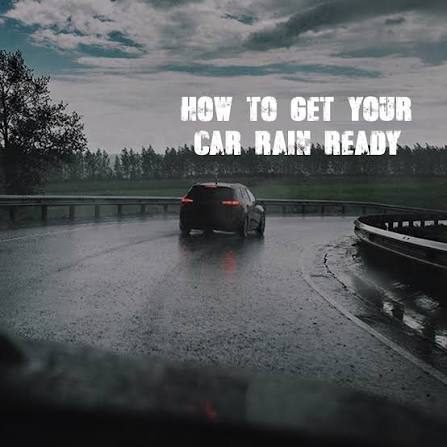
Nilesh Vora, a road safety expert said, “Many drivers panic and apply sudden brakes or sharply turn the steering wheel during aquaplaning. This often worsens the situation instead of helping regain control.”
Experts advise drivers to ease off the accelerator, hold the steering firmly and avoid sudden braking until the tyres regain grip.
Water-filled potholes increase accident risk
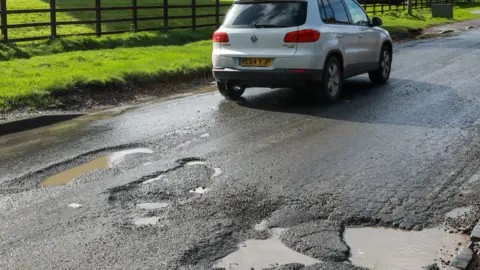
Pune’s roads and highways leading towards Lonavala, Mulshi, Tamhini Ghat and other hill destinations often develop potholes during the monsoon.
These potholes become difficult to detect once filled with rainwater. Driving through them at high speed can damage the suspension, burst tyres or even cause a vehicle to overturn if one wheel gets trapped suddenly.
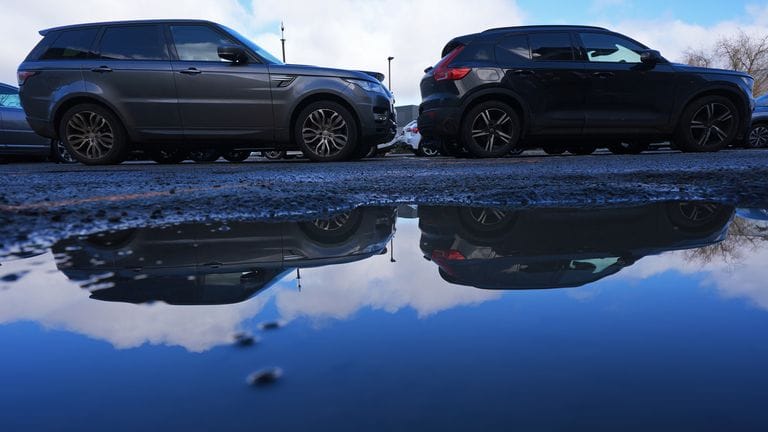
Raman Sethi, an automobile experts said, “A waterlogged road may appear flat, but hidden potholes can destabilise a moving vehicle within seconds, especially at highway speeds.”
Tyres play a crucial role
Experts stress that worn-out tyres significantly reduce grip on wet roads because their tread is unable to channel water away efficiently.
Incorrect tyre pressure either too low or too high, also affects stability and braking performance.
Drivers are advised to inspect tyre tread depth and maintain the manufacturer-recommended tyre pressure before undertaking long journeys during the rainy season.
Speed and visibility matter
Heavy rain reduces visibility, while wet roads increase braking distance.
Driving at excessive speed leaves little time to react if another vehicle brakes suddenly or if a pedestrian or animal crosses the road.
Experts recommend maintaining a greater distance from the vehicle ahead and using headlights and tail lamps during rainfall to improve visibility.
Pune’s ghat roads demand extra caution
With tourist traffic expected to increase towards Lonavala, Lohagad, Mulshi, Lavasa and Tamhini Ghat, drivers should remain alert for slippery curves, flowing water, mud deposits and loose stones.
Roads through hilly areas often develop moss and mud after continuous rain, reducing tyre grip and increasing the risk of skidding.
Mithilesh Patil, a highway safety specialist said, “The combination of sharp curves, rain, fog and tourist traffic makes Pune’s ghat roads particularly challenging during the monsoon. Defensive driving is the safest approach.”
Monsoon Driving: Do’s
- Reduce speed on wet roads and maintain a safe following distance.
- Check tyre tread depth and air pressure before travelling.
- Ensure windshield wipers, brakes and headlights are functioning properly.
- Switch on headlights during heavy rain, even during daytime.
- Slow down before entering waterlogged stretches.
- Use lower gears while driving through ghat sections.
- Stay alert for pedestrians, cyclists and two-wheelers who may lose balance on slippery roads.
Monsoon Driving: Don’ts
- Do not drive through flooded roads unless you are certain of the depth.
- Do not brake suddenly while aquaplaning.
- Do not accelerate sharply on wet roads.
- Do not overtake on blind curves or waterlogged roads.
- Do not use cruise control during rainfall.
- Do not ignore unusual tyre vibrations or steering pull after hitting a pothole.
- Do not park under weak trees, electric poles or unstable structures during heavy rain.
With the monsoon expected to remain active over Pune in the coming weeks, following basic driving precautions can significantly reduce the risk of accidents and ensure safer journeys on city roads as well as highways.