What The 300 To 900 CIBIL Score Range Tells Lenders
What The 300 To 900 CIBIL Score Range Tells Lenders
When you apply for a loan or credit card in India, the lender pulls up a three-digit number that carries enormous weight. Your CIBIL score, maintained by TransUnion CIBIL, falls somewhere between 300 and 900. That number compresses your entire credit history into a single snapshot. Lenders treat it almost like a first impression, and it shapes the terms you’re offered before a single conversation takes place.
The Basics of the Range
The CIBIL score range starts at 300 and caps at 900. A score of -1 or 0 means there’s no credit history on file, which is different from having a bad score. Once you have at least six months of credit activity, the score kicks in.
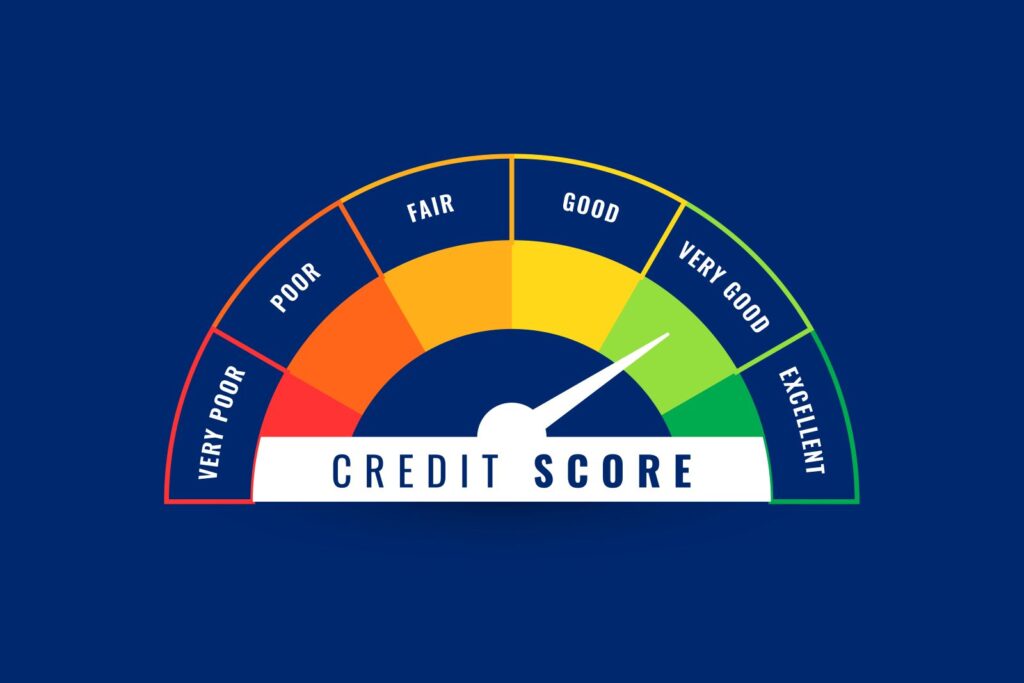
Most lenders in India consider 750 and above a good score. That threshold isn’t a regulation or a law. It’s a convention the industry has settled on over time. Banks and NBFCs each have their own internal cutoffs, but 750 has become the informal dividing line between “likely approved” and “we need to look more closely.” If you’ve used a poonawalla cibil check or any other lender’s portal to view your score, you’ve probably noticed the color-coded bands that shift from red to green as the number climbs. Those visual cues exist for a reason: the difference between 650 and 750 is not a gentle slope. It can mean thousands of rupees in extra interest over the life of a loan.

What Lenders Actually See
A number alone doesn’t tell the full story, but it tells enough for lenders to make fast decisions. Here’s what different parts of the range signal.
A score between 300 and 549 is a red flag. It tells the lender that the borrower has likely defaulted on past obligations, missed multiple payments, or accumulated heavy unsecured debt. Loan applications at this level face outright rejection from most mainstream banks. Some lenders might still offer credit, but at steep interest rates that reflect the risk they’re absorbing.
Scores from 550 to 649 sit in a grey zone. The borrower hasn’t entirely wrecked their credit, but there are enough blemishes to make lenders cautious. Approval is possible, especially from NBFCs, but expect higher rates and possibly lower credit limits. Lenders at this stage dig deeper into income stability and existing debt obligations before making a call.
The 650 to 749 range is where things get interesting. Many borrowers land here, and lenders view this bracket as workable. You’re not a slam dunk, but you’re not a worry either. Loan offers will come through, though you might not get the best advertised rate. If your score is on the higher end of this range, say around 720 or 730, some banks will treat you almost like a 750-plus borrower, depending on the loan amount and type.
At 750 and above, doors open quickly. Pre-approved offers, lower interest rates, faster processing, and higher loan amounts all become accessible. Lenders compete for borrowers in this range because the default probability drops significantly. A score of 800 or 850 doesn’t just mean you pay your bills. It means you’ve managed multiple types of credit responsibly over a sustained period.
Why the Number Moves
Your CIBIL score isn’t static. It recalculates based on data reported by your lenders, usually on a monthly cycle. The biggest factors are payment history, credit utilization, the age of your accounts, the mix of secured and unsecured credit, and the number of recent hard inquiries.
Payment history dominates. Even one missed EMI can drag your score down by 50 to 100 points, depending on your overall profile. On the flip side, recovering from a dip takes months of consistent, on-time payments. The asymmetry is frustrating but real: it’s far easier to damage a score than to rebuild it.
Credit utilization matters more than most people realize. If you’re using 90% of your credit card limit every month, even if you pay it off in full, the high utilization ratio signals dependency on credit. Keeping it below 30% is the standard advice, and it genuinely works.
Checking Without Hurting Your Score
One persistent myth is that checking your own score lowers it. It doesn’t. A self-check is a soft inquiry, and it has zero impact on your CIBIL score. You’re entitled to one Free CIBIL Score report per year directly from the TransUnion CIBIL website. Several banks and fintech apps also offer periodic score updates at no cost.
Hard inquiries, on the other hand, do leave a mark. Every time you formally apply for a loan or credit card and the lender pulls your report, that counts as a hard inquiry. One or two per year won’t cause problems, but five or six in a short span suggests desperation, and lenders notice.
The Practical Takeaway
Your CIBIL score is not a permanent judgment. It’s a moving target that responds to your financial behavior month by month. Lenders use it as a risk filter because it works reasonably well at predicting defaults across large populations. For individuals, though, the real value is in understanding what pushes the number up or down. A borrower who knows their score, monitors it regularly, and adjusts habits accordingly will almost always end up on the favorable side of a lending decision. The range from 300 to 900 isn’t just a scale. It’s a feedback loop, and the people who pay attention to it benefit the most.