7 Garden Plants That Can Increase the Chances of Snake Sightings and How to Keep Your Garden Safer
7 Garden Plants That Can Increase the Chances of Snake Sightings and How to Keep Your Garden Safer
Worried that your garden might be attracting snakes? Experts say there’s a common misconception that certain plants lure snakes into outdoor spaces. In reality, snakes are not attracted to specific flowers, fragrances, or leaves. Instead, they seek out gardens that provide shelter, moisture, shade, and a steady supply of prey such as rodents, frogs, lizards, and insects.
While no plant directly attracts snakes, some plants and landscaping features can create ideal hiding places or encourage the presence of animals that snakes feed on. Here are some common garden plants that may increase the likelihood of snake sightings.
Tall Ornamental Grasses
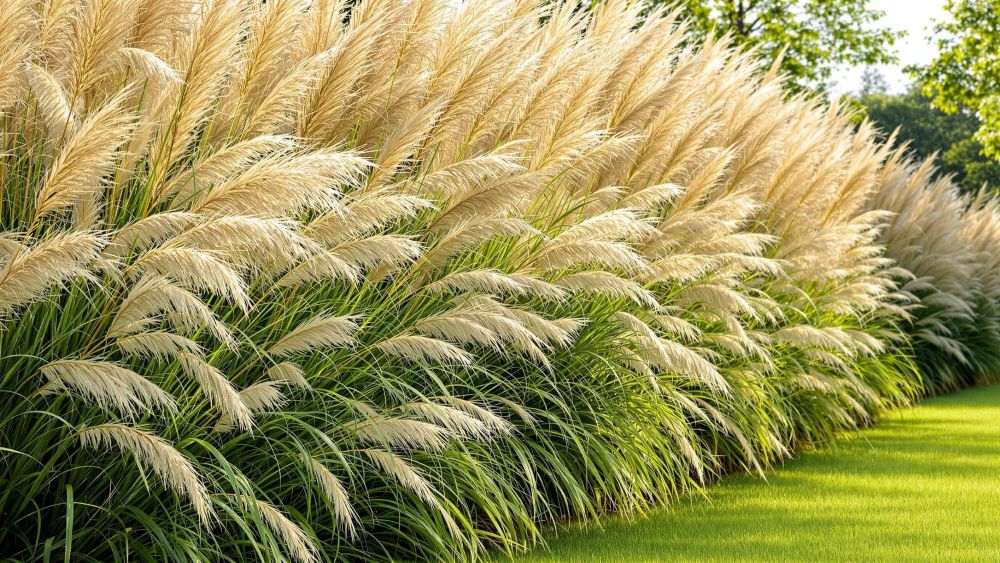
Ornamental grasses such as pampas grass, fountain grass, and elephant grass are popular for their striking appearance and low maintenance. However, their dense foliage provides cool, shaded hiding spots where snakes can remain concealed, especially during hot weather.

Dense Ground Covers
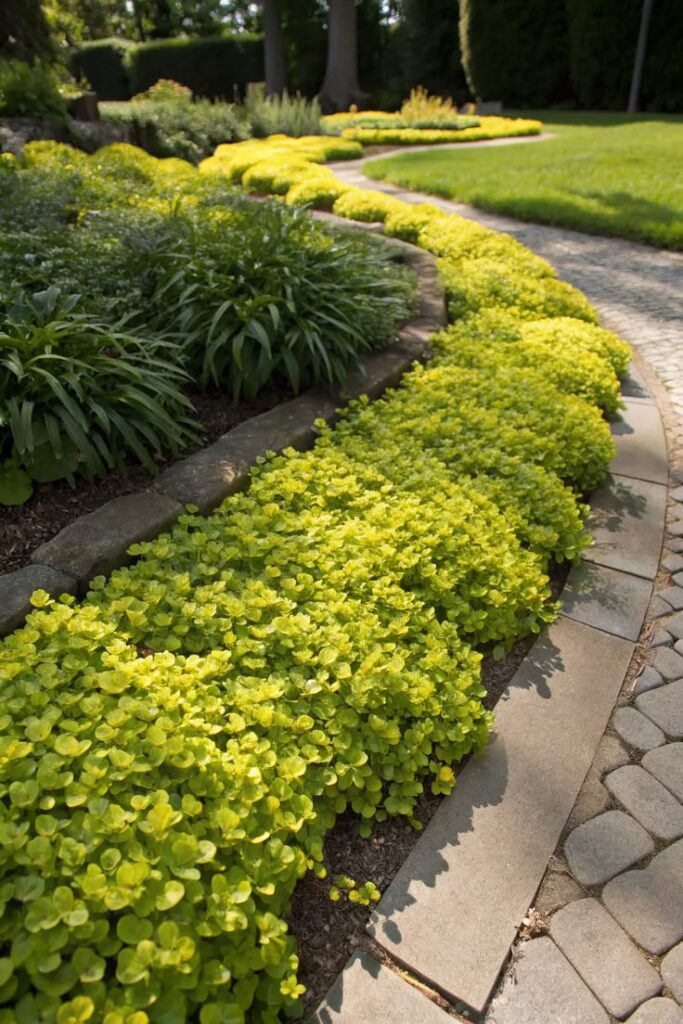
Ground-cover plants like English ivy and creeping juniper spread rapidly and form thick mats across the soil. Although they help control weeds, they also create dark, sheltered spaces that can serve as hiding places for snakes.
Overgrown Flowering Shrubs
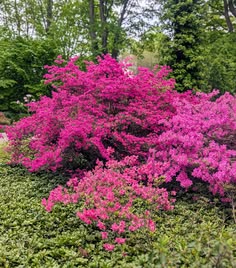
Flowering shrubs such as jasmine, hibiscus, bougainvillea, and oleander add beauty to any garden. But when left untrimmed, they become dense and overgrown, offering excellent cover for snakes seeking protection from heat or predators.
Bamboo
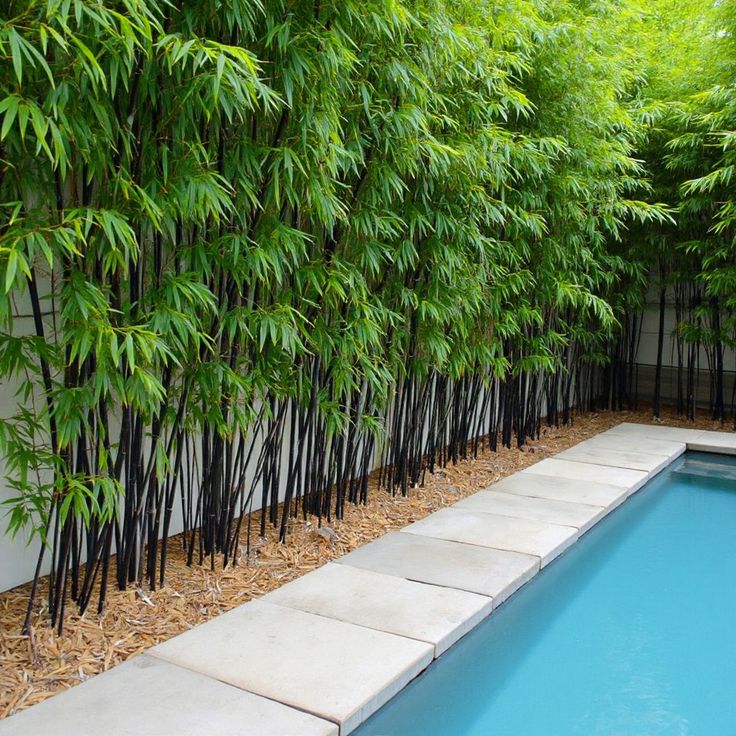
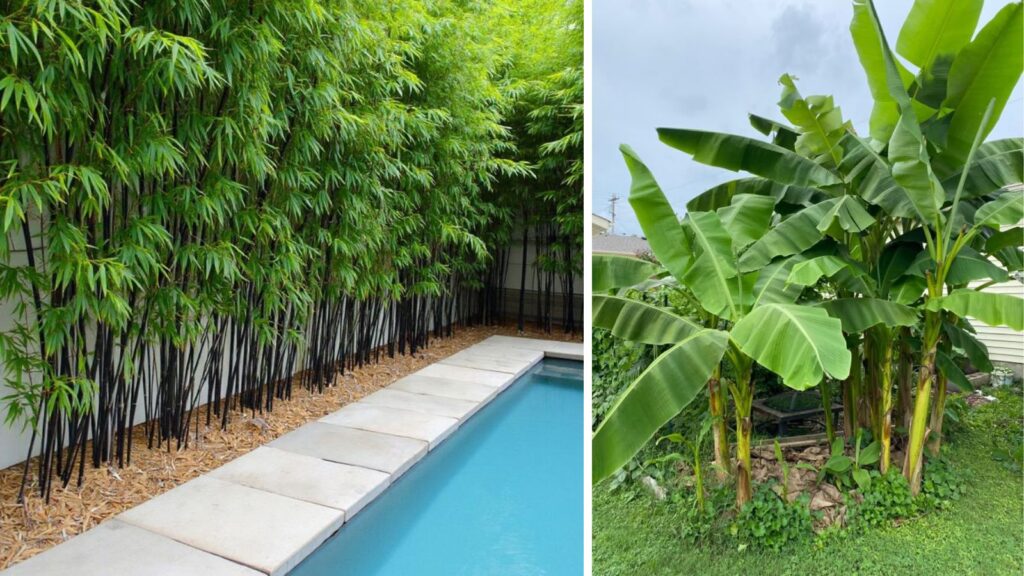
Bamboo is widely used for privacy screens and tropical landscaping. Its thick growth and cool shade can provide temporary shelter for snakes, particularly during warmer months.
Banana Plants
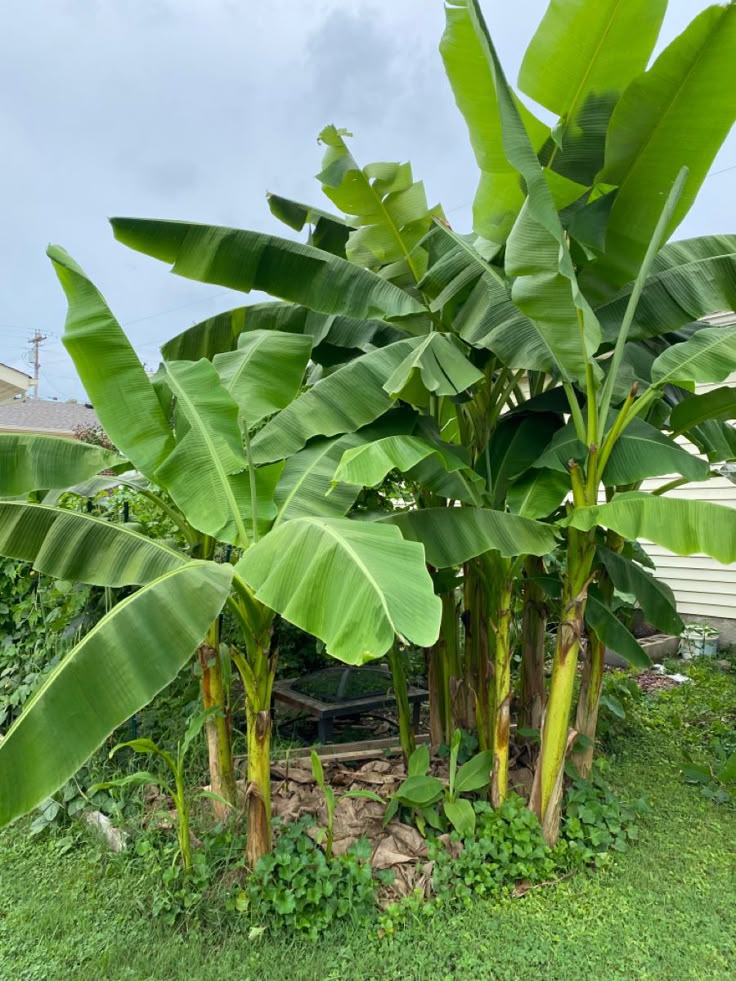
Banana plants create naturally cool and humid surroundings with their large leaves. Fallen leaves around the base can also provide shelter for snakes and attract the small animals they hunt.
Fruit Trees
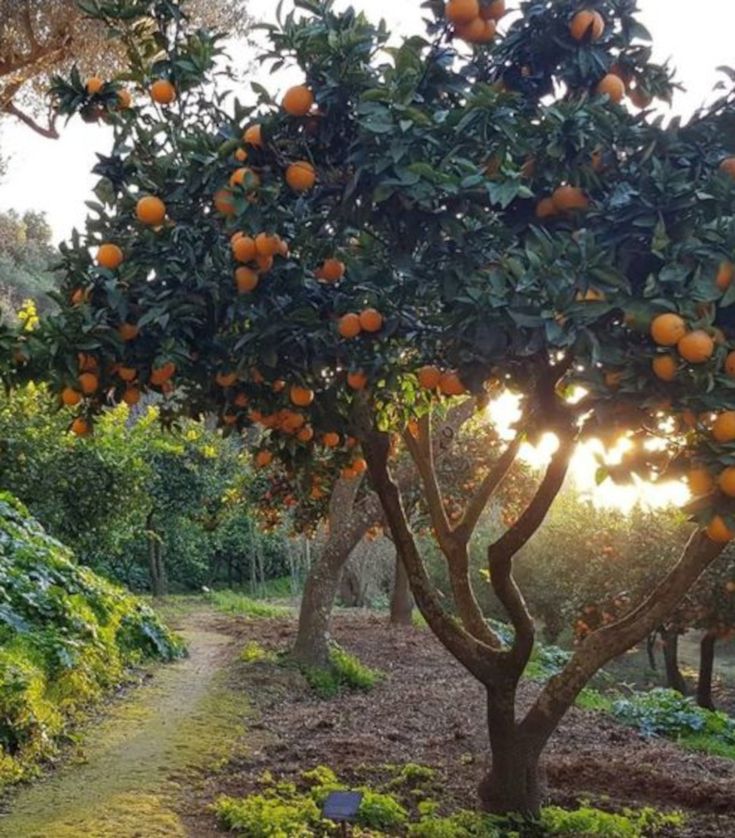
Fruit trees including mango, guava, jamun, and chikoo do not attract snakes directly. However, fallen fruit often attracts rats, squirrels, and insects, which are common food sources for snakes. Regularly cleaning up fallen fruit can help reduce this indirect attraction.
Thick Hedges
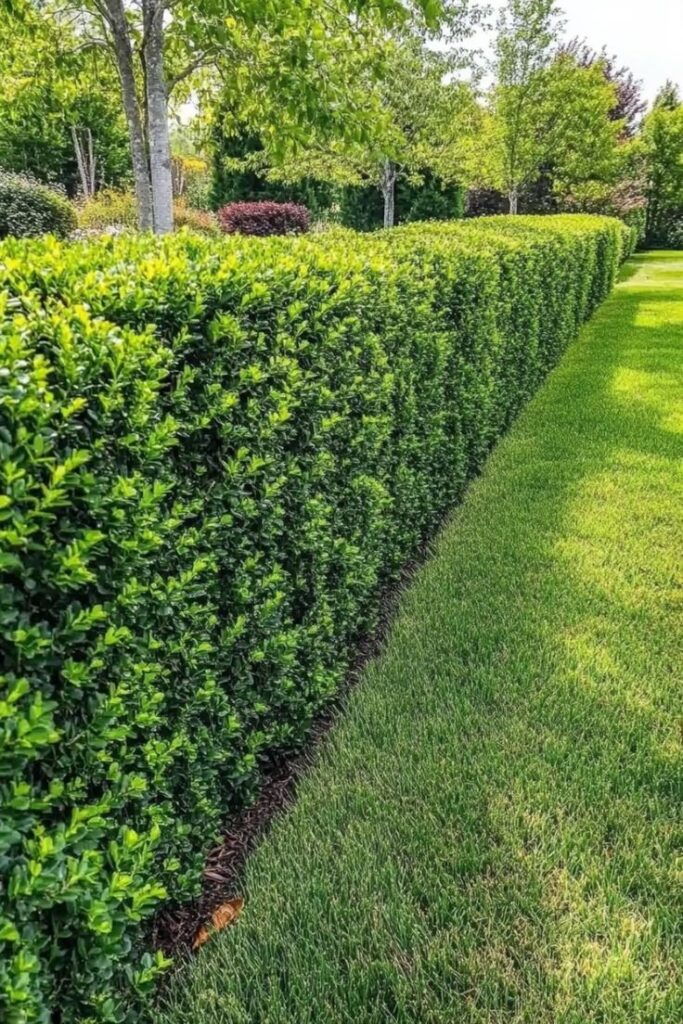
Dense hedges offer privacy and improve the appearance of gardens, but they can also provide excellent cover for snakes. If hedges are not pruned regularly and leaf litter is allowed to accumulate beneath them, they may become ideal hiding spots.
Water Features with Aquatic Plants
Garden ponds and water features surrounded by aquatic plants support frogs, insects, and other small creatures. While these features enhance biodiversity, they can also attract snakes that prey on amphibians.
Why Snakes Visit Gardens
Experts emphasise that snakes are primarily looking for three things: food, shelter, and water. Gardens with dense vegetation, fallen leaves, clutter, wood piles, rocks, and rodent activity provide ideal conditions for them. As a result, even gardens without the plants listed above may occasionally attract snakes if they are poorly maintained.
How to Make Your Garden Less Attractive to Snakes
Regular maintenance is the most effective way to discourage snakes from entering your garden. Homeowners should:
- Keep lawns mowed and vegetation trimmed.
- Prune overgrown shrubs and hedges regularly.
- Remove fallen leaves, garden waste, and unused materials such as wood or rock piles.
- Pick up fallen fruits promptly to avoid attracting rodents.
- Control rodent populations around the property.
- Keep ponds and water features clean while preventing excessive plant growth around the edges.
A clean, well-maintained garden with fewer hiding places is far less likely to attract snakes. By reducing shelter, food sources, and excess moisture, homeowners can enjoy a healthy garden while minimising the chances of unexpected snake encounters.