10 Unique Traditions That Make Pandharpur Wari One Of The World’s Most Extraordinary Pilgrimages
10 Unique Traditions That Make Pandharpur Wari One Of The World's Most Extraordinary Pilgrimages
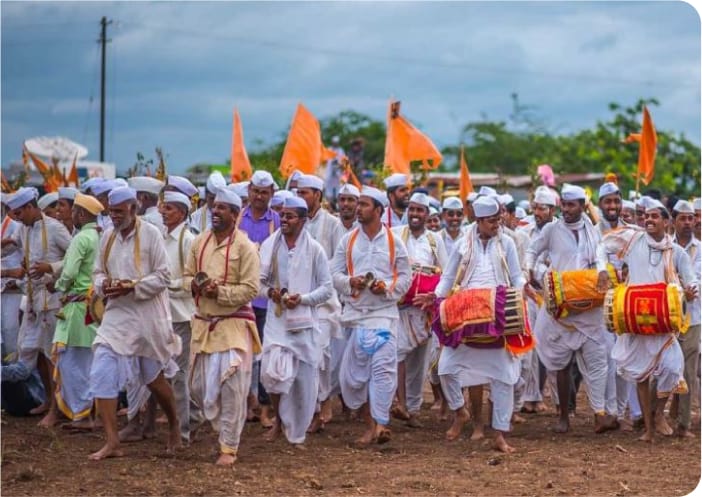
The centuries-old Pandharpur Wari is much more than a religious procession. It is a living tradition built on devotion, equality, discipline and selfless service, drawing lakhs of Warkaris from across Maharashtra every year.
By Vidhi Lalla
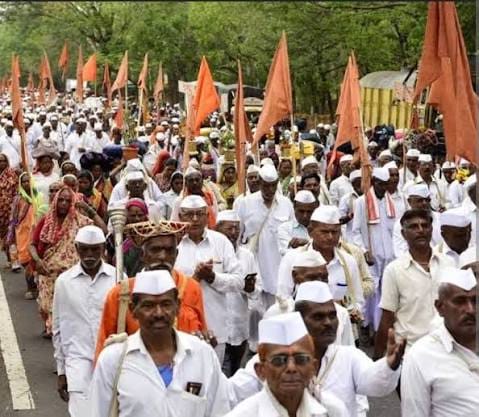
Pune: The Pandharpur Wari is one of Maharashtra’s oldest and most respected spiritual traditions, with a history spanning more than 700 years. Every year, lakhs of Warkaris undertake the foot pilgrimage to the Shri Vitthal-Rukmini Temple in Pandharpur for Ashadhi and Kartiki Ekadashi, chanting the name of Lord Vitthal throughout the journey.

The pilgrimage follows the palkhis (palanquins carrying the symbolic padukas) of Sant Dnyaneshwar Maharaj from Alandi and Sant Tukaram Maharaj from Dehu. Along the way, devotees sing abhangs, perform bhajans and kirtans, and participate in centuries-old rituals that continue to preserve the spirit of the Warkari tradition.

10 Unique Traditions Of Pandharpur Wari
1. Uninterrupted Harinam Chanting
The entire pilgrimage echoes with the continuous chanting of “Vitthal Vitthal Jai Hari Vitthal.” Devotees believe constant remembrance of God keeps the mind focused on devotion throughout the journey.
2. Walking Together In Dindi Groups
Pilgrims travel in organised groups known as Dindis. Every group follows a disciplined schedule, making the Wari one of the world’s most organised foot pilgrimages despite attracting lakhs of participants.
3. Palkhi Procession Of Saints
The palkhis carrying the sacred padukas of Sant Dnyaneshwar Maharaj and Sant Tukaram Maharaj lead the pilgrimage. Devotees walk hundreds of kilometres alongside these revered symbols of Maharashtra’s Bhakti movement.
4. Ringan Ceremony
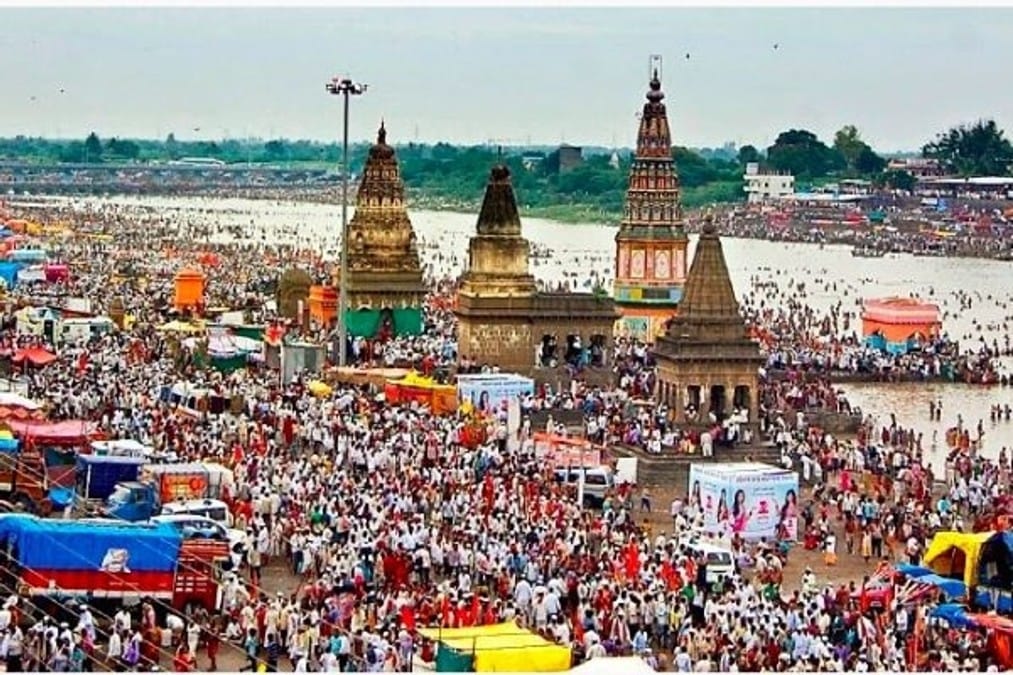
One of the most awaited rituals is the Ringan, during which the saint’s ceremonial horse runs through a designated path. Devotees consider the dust raised during the ceremony sacred and symbolic of divine blessings.
5. Holy Dip In The Chandrabhaga River
Taking a ritual bath in the Chandrabhaga River before seeking darshan of Lord Vitthal and Goddess Rukmini remains an important spiritual practice for Warkaris.
6. Annadan (Food Donation)
Villagers, volunteers and charitable organisations offer free food, drinking water and refreshments to pilgrims throughout the route. This tradition of selfless service is considered an act of devotion.
7. Discipline Above Everything
The Warkari tradition is known for its remarkable discipline. Pilgrims follow fixed routes, timings and community rules while maintaining cleanliness, punctuality and mutual respect throughout the journey.
8. Equality Without Barriers
People from different castes, religions, professions and economic backgrounds walk together as equals. The Wari reflects the teachings of Maharashtra’s saints that devotion is above all social divisions.
9. Tulsi Vrindavan Tradition
Many women carry Tulsi Vrindavans (sacred basil shrines) on their heads throughout the pilgrimage, symbolising unwavering faith and devotion to Lord Vitthal.
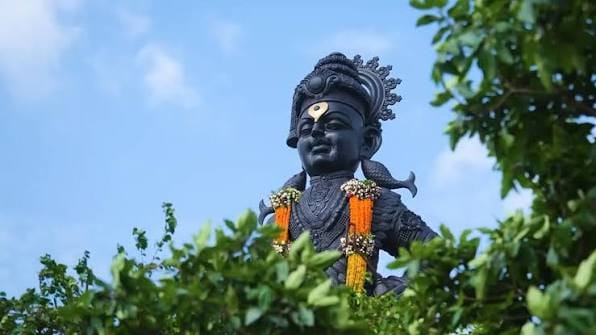
10. Abhangs, Bhajans And Kirtans
Music forms the soul of the Wari. Devotees sing the abhangs of Sant Tukaram Maharaj, Sant Dnyaneshwar Maharaj and other saints while playing traditional instruments such as the taal, mridang and veena.
The Pandharpur Wari continues to inspire millions with its message of devotion, equality, humility and service. Despite modern facilities and growing participation every year, the centuries-old traditions remain at the heart of one of India’s largest and most peaceful spiritual pilgrimages.
FAQs
Q. What is the Pandharpur Wari?
The Pandharpur Wari is an annual foot pilgrimage in which lakhs of Warkaris walk to the Shri Vitthal-Rukmini Temple in Pandharpur, mainly during Ashadhi and Kartiki Ekadashi.
Q. Who started the Wari tradition?
The tradition is closely associated with the Bhakti movement and was strengthened by saints such as Sant Dnyaneshwar Maharaj, Sant Tukaram Maharaj and other Warkari saints.
Q. What is a Dindi?
A Dindi is an organised group of pilgrims who travel together while following a disciplined schedule of prayers, singing and service.
Q. What is the significance of the Ringan ceremony?
The Ringan is a sacred ritual in which the ceremonial horse of the saints runs through devotees, symbolising divine blessings and spiritual grace.
Q. Why do devotees bathe in the Chandrabhaga River?
Pilgrims traditionally take a holy dip in the Chandrabhaga River before visiting the Vitthal temple as a symbol of spiritual purification.
Q. Why is Pandharpur Wari considered unique?
It combines centuries-old traditions, disciplined organisation, continuous devotional singing, equality among devotees, selfless community service and one of the world’s largest peaceful foot pilgrimages.
Disclaimer: Pilgrims are advised to follow official instructions issued by local authorities regarding crowd management, health advisories, weather conditions and route arrangements during the Wari.