Maharashtra Engineer Powers Historic US Navy Rescue as AI Boat Saves Two Apache Pilots in Strait of Hormuz
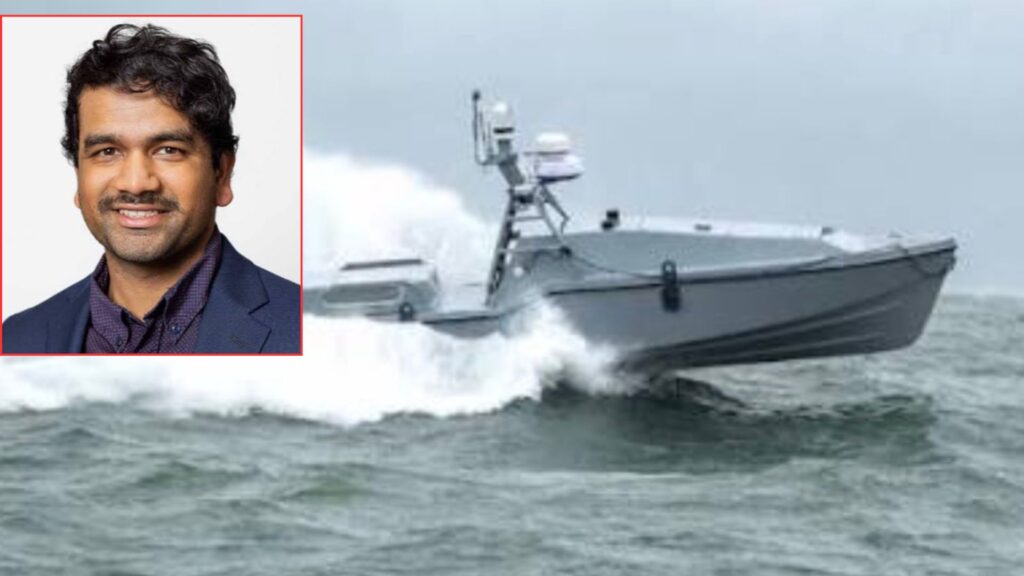
Maharashtra Engineer Powers Historic US Navy Rescue as AI Boat Saves Two Apache Pilots in Strait of Hormuz
An Indian-origin engineer has come into the global spotlight after an AI-powered autonomous drone boat developed by his company was used in a landmark rescue operation involving two US Army pilots in the Strait of Hormuz.
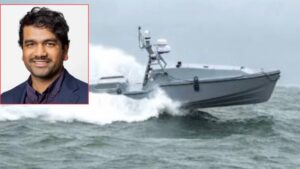
The unmanned surface vessel, named Corsair, was deployed after a US Army AH-64 Apache helicopter crashed into the sea during a mission in the strategically important waterway. With rough weather and darkness making conventional rescue operations difficult, the US Navy’s Task Force 59 turned to the autonomous vessel to locate and rescue the stranded pilots.

According to reports, the AI-powered boat successfully navigated through the waters using advanced radar, sensors and artificial intelligence to identify the pilots’ location. The vessel reached the crew members, brought them onboard and transported them to safety before they were later recovered by rescue teams. The mission is being described as the first known instance of an autonomous surface vessel directly rescuing military personnel during an active operation.

The technology behind the Corsair was developed by Saronic Technologies, a Texas-based defence startup co-founded by Vibhav Altekar, an Indian-origin engineer from Maharashtra. Altekar serves as the company’s Chief Technology Officer (CTO) and has played a key role in building the AI systems that power the autonomous vessel.
Founded in 2022, Saronic Technologies develops unmanned maritime systems designed for defence and security missions. Before launching the company, Altekar worked at defence technology firm Anduril, where he contributed to advanced autonomous defence programmes, including Australia’s Ghost Shark project.
The 24-foot Corsair is designed to carry heavy payloads, travel long distances without human intervention and make real-time navigation decisions using artificial intelligence. Its ability to operate in hazardous environments is seen as a major advancement in military search-and-rescue operations.
The successful rescue has highlighted the growing role of AI-driven autonomous systems in defence, while also bringing international recognition to the contribution of an Indian-origin engineer in developing cutting-edge maritime technology.