Exploring India’s Top 10 Tiger-Sighting Spots in the Wild
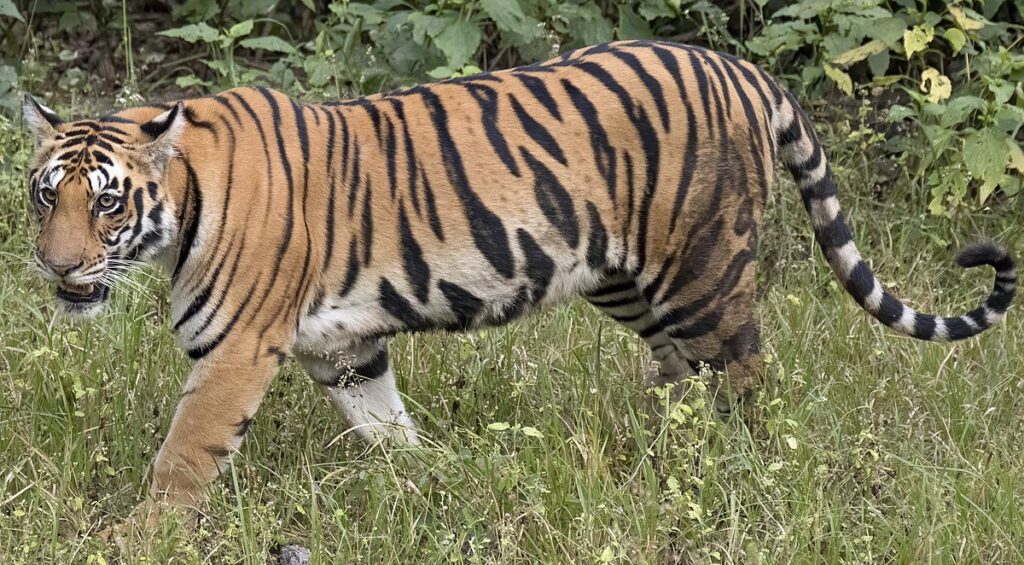
Exploring India's Top 10 Tiger-Sighting Spots in the Wild
Despite facing challenges such as population pressure and developmental needs, India has demonstrated a remarkable commitment to tiger conservation.
18th May 2024

Tigers in India represent over 70% of the world’s tiger population. They were designated as the National Animal of India in April 1973, following a recommendation by the National Board for Wildlife.
The Bengal Tiger (Panthera tigris tigris) is the species prevalent throughout India, except in regions such as the Thar desert, Ladakh, Jammu and Kashmir, Punjab and the Kutch region.
They inhabit various landscapes across India, ranging from areas with abundant prey and suitable habitat to those affected by human interference. While some regions have witnessed a decline in tiger populations, others show potential for population improvement. Surprisingly, nearly 30% of India’s tiger population resides outside of designated Tiger Reserves as of 2020.
Despite facing challenges such as population pressure and developmental needs, India has demonstrated a remarkable commitment to tiger conservation. The country has not only met but exceeded its global commitment to doubling the tiger population (known as TX2) ahead of schedule. This achievement is attributed to India’s ability to strike a balance between modernisation and conservation, fueled by the traditional, cultural and religious tolerance towards all forms of life coexisting with human communities.
A tiger reserve is required by law to establish a crucial core area where human intervention is strictly forbidden. Surrounding this core area is a “buffer zone,” prioritising conservation efforts over other land uses. The core areas of tiger reserves are essential for breeding populations of tigers. The size of tiger reserves in India varies, ranging from 344 km2 to 3,150 km2, with an average area of approximately 1,321 km2.
1. Jim Corbett National Park: Located in Uttarakhand, Jim Corbett National Park stands as India’s oldest national park. It is celebrated for its Bengal tiger population, offering superb chances to encounter these magnificent animals, along with other wildlife like elephants, leopards and deer.
2. Pilibhit Tiger Reserve: Situated in Uttar Pradesh, the Pilibhit Tiger Reserve stands out as one of India’s top tiger habitats. It boasts a notable population of Bengal tigers, along with a variety of other wildlife like leopards, sloth bears and deer.
With its varied ecosystems, including dense forests, grasslands and marshes, the reserve offers an optimal setting for tigers and fosters a thriving biodiversity.
3. Ranthambore National Park: Located in Rajasthan, Ranthambore National Park is among India’s expansive national parks, renowned for its thriving tiger population. The park’s varied landscape offers prime chances to observe tigers, particularly near its lakes and watercourses.
4. Bandhavgarh National Park: Nestled in Madhya Pradesh, Bandhavgarh National Park is celebrated as one of the premier destinations for tiger sightings. With its dense population of tigers, visitors have excellent opportunities to spot these majestic creatures. The park’s diverse terrain, spanning from thick forests to expansive grasslands, adds to its allure.
5. Kanha National Park: Situated in Madhya Pradesh, Kanha National Park is renowned for its plentiful tiger population. Offering picturesque scenery and organised safari experiences, the park affords visitors outstanding chances to witness tigers in their native environment.
6. Tadoba-Andhari Tiger Reserve: Nestled in Maharashtra, Tadoba-Andhari Tiger Reserve is celebrated for its diverse wildlife, notably its considerable tiger population. As the largest reserve in Maharashtra, it has been a habitat for several renowned Bengal tigers such as Maya, Chota Matkasur, Matkasur and Scarface, also known as Gabbar.
7. Panna National Park: Located in Madhya Pradesh, Panna National Park is renowned for its picturesque landscapes and rich biodiversity. Despite experiencing a decline in tiger numbers in the past, the park has made remarkable progress in tiger conservation. Presently, it harbours a burgeoning tiger population, in addition to hosting leopards, sloth bears and a wide array of bird species.
8. Bandipur National Park: Located in Karnataka and a part of the Nilgiri Biosphere Reserve, Bandipur National Park is renowned for its tiger population and effective conservation initiatives. The park’s expansive forests facilitate relatively effortless tiger sightings during safari excursions.
9. Sundarbans National Park: Located in West Bengal, Sundarbans National Park is renowned as the largest mangrove forest globally and is habitat to the Bengal tiger. Although spotting tigers in this area can be challenging due to the dense mangrove vegetation, it offers a distinctive opportunity to observe tigers within a mangrove ecosystem.
10. Pench National Park: Situated on the border of Madhya Pradesh and Maharashtra, Pench National Park served as the inspiration for Rudyard Kipling’s The Jungle Book. It is famous for its tiger population, with frequent sightings reported. The park’s varied terrain and ample prey make it an attractive habitat for tigers and a diverse range of other wildlife.