Meet the 18-Year-Old From Lucknow Who Sold His PS4 to Build an Authentic Idli Stall—Now Earning ₹5,000–₹6,000 Daily
Meet the 18-Year-Old From Lucknow Who Sold His PS4 to Build an Authentic Idli Stall—Now Earning ₹5,000–₹6,000 Daily
Dreams often begin with a sacrifice. Sometimes it is comfort, sometimes security, and sometimes it is something as simple—and precious—as a gaming console. For 18-year-old Honey Khan from Lucknow, the decision to let go of his PS4 became the first real investment in a journey that is now inspiring hundreds of people every day.
At a time when North India is gripped by biting winter cold and most people struggle to even step out early in the morning, a small household in Lucknow is already awake before dawn. At 4 AM sharp, Razia Khan, a single mother of four, begins her day in the kitchen. Fresh idlis are steamed, sambar simmers on the stove, chutneys are ground, and medu vadas are prepared—all so that her youngest son can run his modest but fast-growing food venture near Lucknow University.
A Small Stall With a Big Purpose

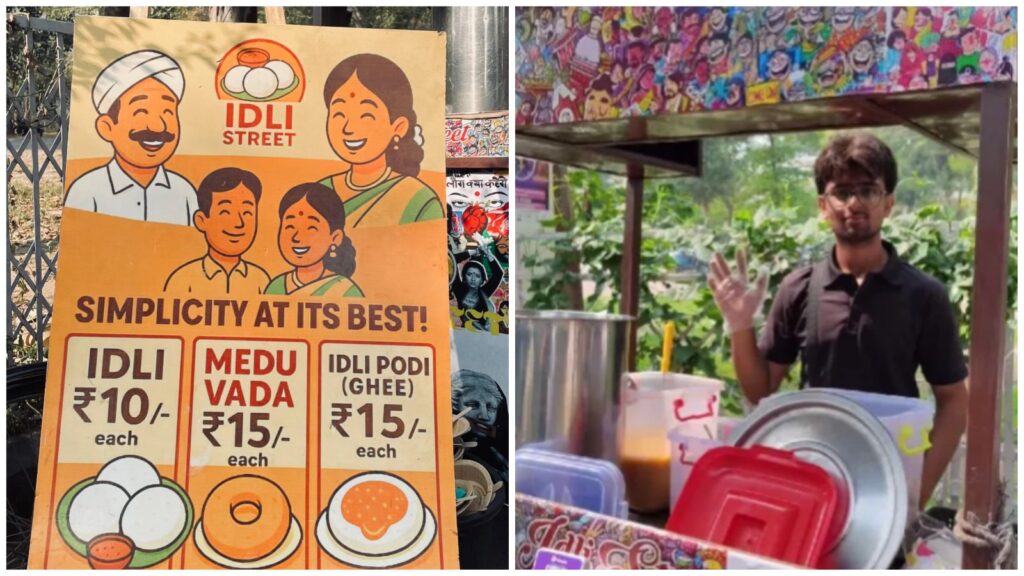
Honey Khan is the founder of Idli Street, a compact food stall serving authentic South Indian dishes to the people of Lucknow. Operating daily from 11:30 AM to 3 PM outside Lucknow University, the stall consistently sells out within hours. What started as a small experiment has now turned into a business generating daily sales of ₹5,000 to ₹6,000.
Idli Street was founded in 2025, at a time when Honey was still completing his schooling through a private board. This flexible academic structure allowed him to focus on his board exams while also pursuing his entrepreneurial ambitions.
The Spark: A Reel, a Bike, and an Idea
The idea for Idli Street came unexpectedly. Around July 2025, Honey was scrolling through Instagram reels when he came across a video of someone running a food business entirely from a bike. The simplicity and practicality of the model struck a chord with him. Having always wanted to do something independent, he saw an opportunity to adapt the concept using what his family already had—his mother’s cooking skills and a family-owned bike.
To arrange the initial capital, Honey made a bold choice. He sold his PS4 for ₹14,000 and decided to bootstrap the entire venture with that amount.
The budget was carefully allocated. About ₹2,500 went into designing and fabricating a square metal box to store idlis. Nearly ₹7,000 was spent on procuring a week’s worth of raw materials for idlis, medu vadas, sambar, chutneys, and podis. The remaining funds were used for packaging materials.
By August 2025, the bike-based idli setup was ready and stationed outside Lucknow University.
Slow Beginnings and Early Struggles
The initial days were far from easy. For nearly four days, Honey sold idlis, medu vadas, and podis from the bike-mounted box, but customer turnout was low. On most days, only 15 to 20 people stopped by. Food often went unsold, leading to wastage. There were also objections from people around the university, and Honey was asked to remove his setup. Eventually, the matter was resolved, but the period tested his patience and resolve.
During this phase, Honey handled branding on his own. Using tools like ChatGPT and Gemini, he designed the Idli Street logo and basic branding elements, printed them out, and pasted them onto the metal box. It was a humble setup, but it carried a clear identity.
The Viral Turning Point
Everything changed towards the end of August 2025. Honey’s bike stall caught the attention of Satyam Nishad, a Lucknow-based Instagram blogger who runs the page lucknow_khabare. He featured Honey’s story, and the video quickly gained traction online.
Almost overnight, customer footfall increased dramatically. The small metal box on the bike could no longer keep up with the demand. Honey first tried shifting to a table setup, but that too proved insufficient. Eventually, he upgraded to a proper food cart, transforming Idli Street into a full-fledged stall outside Lucknow University.
By October 2025, the stall format was finalized.
Why Idli Street Works
One of the biggest reasons behind Idli Street’s popularity is its authenticity. The food is prepared in a traditional South Indian style—right from texture and preparation to taste. This authenticity has been validated by customers from southern states like Kerala and Goa, who have praised the food for staying true to its roots.
Another key factor is freshness. Honey limits operating hours to just three hours because South Indian food must be served fresh. Once the stock is over, the stall shuts for the day, ensuring quality is never compromised.
The menu is simple and affordable:
Two idlis with sambar and chutney: ₹20
Two medu vadas: ₹30
Idli podi with chutney and ghee: ₹30
Every morning, Razia Khan works from 4 AM to around 10 AM preparing the food. After that, Honey packs the items and arranges transportation for the stall using an e-rickshaw.
Numbers That Tell the Story
With average daily sales of ₹5,000, Idli Street’s unit economics look like this:
₹1,500–₹1,600 spent daily on ingredients
₹400 on packaging materials
₹300 on e-rickshaw transportation
The remaining amount is reinvested into the business. Over time, Honey and his mother have upgraded cooking equipment to manage increasing demand more efficiently.
Growing Crowd, Growing Responsibility
Customer numbers have grown steadily:
August 2025: 15–20 customers per day
September 2025: 50–100 customers per day
October 2025: 200–300 customers per day
The crowd eventually became so large that local authorities intervened, asking Honey to manage it better. To maintain order, he introduced advance orders and time slots—prioritizing college students between 11:30 AM and 12:30 PM, followed by office-goers and other customers.
Since November 2025, Idli Street has been serving nearly 200–300 people every day.
By 3:30 PM, Honey wraps up the stall, returns home, and shifts focus to his studies, preparing for his upcoming Class 12 board examinations.
What began with a sold PS4 and a bike-mounted box has now become a sustainable family-run business, built on hard work, discipline, and belief in simple, honest food. Sometimes, all it takes to start something meaningful is the courage to let go of one comfort and the determination to build something of your own.
Source: The Better India (via original reporting and interviews)