5 Everyday Fruits That Strengthen Immunity and Support Long Life, According to a Japanese Nutritionist

5 Everyday Fruits That Strengthen Immunity and Support Long Life, According to a Japanese Nutritionist
Growing up amidst the scenic orchards of Nara, Japan, nutritionist Michiko Tomioka learned early on that fruits were more than just food—they were part of daily life, medicine, and celebration. Surrounded by generous neighbors who shared baskets of freshly harvested strawberries, persimmons, figs, and watermelons, she discovered how nature’s sweetness could nourish both body and soul. Today, as a nutrition expert, Tomioka still believes that fruit is one of the simplest and most powerful ways to build resilience, enhance longevity, and protect overall health.
Here are the five fruits she keeps close at hand to maintain a strong immune system and vibrant life.
1. Apples

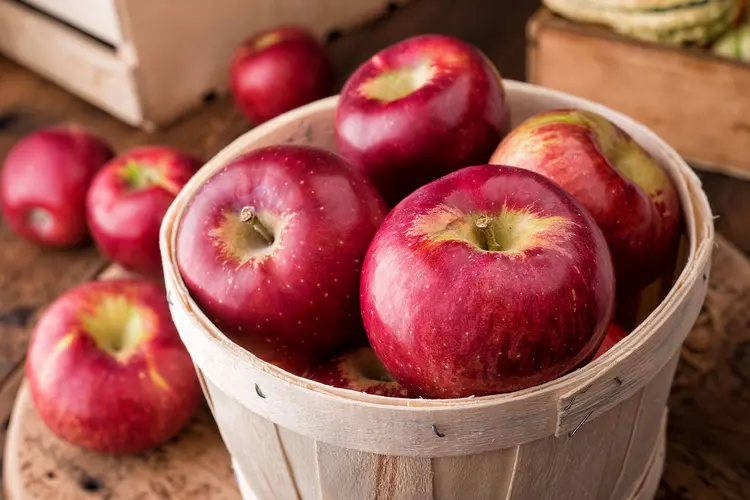
Crisp, refreshing, and rich in nutrients, apples are a powerhouse of vitamin C, fiber, potassium, and polyphenols. These nutrients act as natural defenders, supporting gut health through their prebiotic and probiotic properties—something deeply connected to brain and immune function. Apples also possess anti-cancer compounds that contribute to overall wellness.
There are over 90 apple varieties grown across the U.S., from Fuji and Gala to Honeycrisp and Granny Smith. Exploring different kinds ensures a wider range of nutrients and flavors.
How she enjoys them: Tomioka always eats apples with their skin to retain the fiber and nutrients. She loves slicing them into salads, blending them into soups, baking them, or making homemade applesauce for a comforting treat.
2. Citrus Fruits
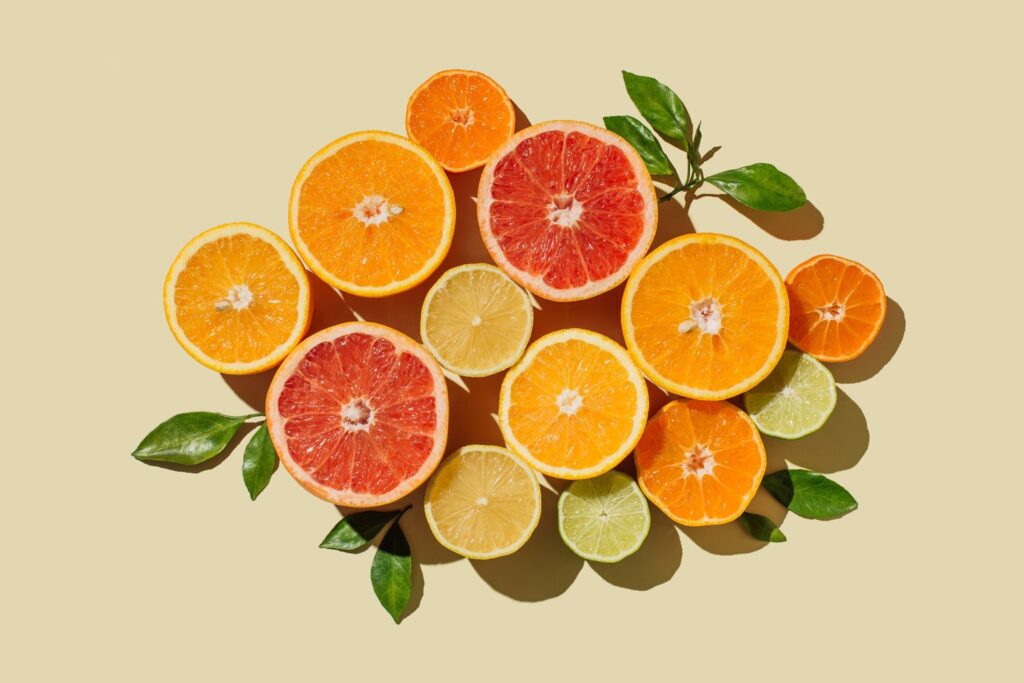
Whether it’s yuzu, lemons, limes, clementines, or oranges, citrus fruits are a vitamin treasure chest. They provide abundant vitamin C, vitamin A, folate, potassium, and fiber, all of which help strengthen immunity and support cell protection. These fruits are also rich in flavonoids and carotenoids, antioxidants that fight free radicals and reduce inflammation. Vitamin C further enhances the body’s absorption of iron from plant-based foods, especially valuable for vegetarian or vegan diets.
How she enjoys them: Tomioka prefers eating the whole fruit instead of just drinking juice, since juice lacks fiber and can raise blood sugar levels. She uses the zest and juice in teas, dressings, jams, and baked dishes. Citrus peels—often thrown away—actually contain calcium, folate, thiamine, and riboflavin, making them too nutritious to waste.
3. Berries
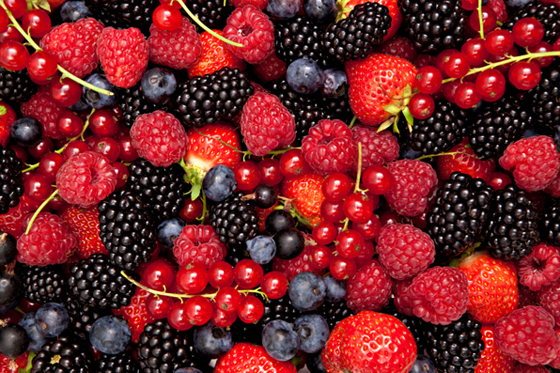
Tiny but mighty, berries like strawberries, blueberries, blackberries, raspberries, cranberries, and goji berries are loaded with vitamins, fiber, and antioxidants such as anthocyanins. Blueberries are especially celebrated for promoting brain and heart health, while goji berries contain beta-carotene, known to enhance eye health.
How she enjoys them: During their peak season, she eats them fresh; otherwise, she uses frozen organic berries for smoothies. Dried goji berries also make for delicious, antioxidant-rich snacks or toppings for yogurt and oatmeal.
4. Persimmons
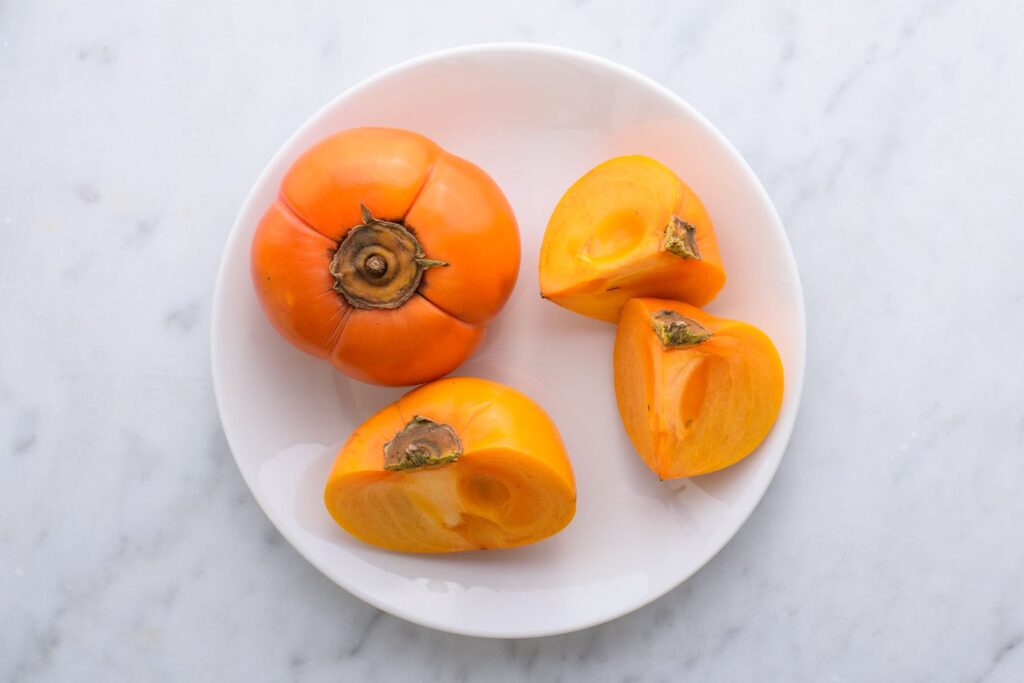
Deeply rooted in Japanese culture, persimmons are not only delicious but also exceptionally nutrient-dense. Packed with vitamins A and C, potassium, fiber, and polyphenols, they help maintain healthy cholesterol levels, blood pressure, and glowing skin. Persimmons come in two main varieties:
Fuyu (non-astringent): Best eaten when firm
Hachiya (astringent): Must be fully ripe or dried before eating
How she enjoys them: Tomioka recalls her mother drying astringent persimmons in late autumn, later enjoying them as snacks, in traditional Japanese sweets (wagashi), or simmered with vegetables. She also drinks persimmon leaf tea, known for its anti-inflammatory properties and soothing earthy flavor.
5. Figs
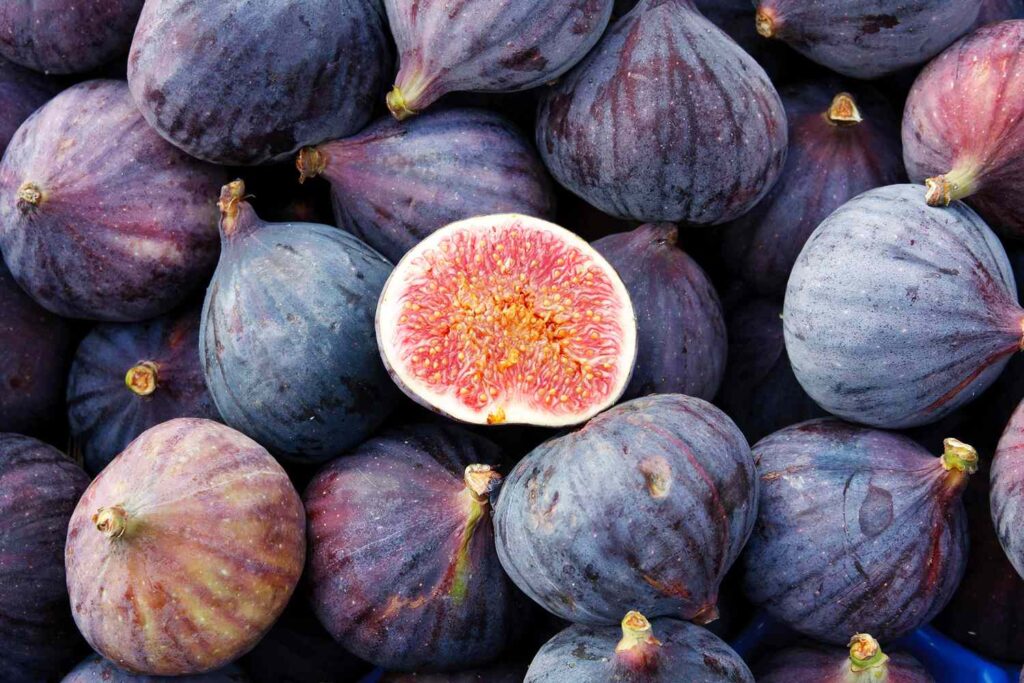
Known in Japan as ichijiku, meaning “fruit without flowers,” figs are a symbol of quiet beauty and inner nourishment. These fruits are rich in fiber, vitamins, minerals, and phytoestrogens, which particularly support women’s health. They also contain ficin, an enzyme that aids protein digestion, making figs a perfect after-meal snack. Their benefits extend to cholesterol control and inflammation reduction.
How she enjoys them: Tomioka enjoys both fresh and dried figs in salads, soups, desserts, and homemade jams. Their natural sweetness pairs beautifully with dark chocolate or matcha, balancing taste with nourishment.
Disclaimer: This article is intended for informational purposes only and should not replace professional medical advice. Always consult your doctor or a qualified healthcare provider regarding any medical condition or dietary change.