8 Warning Signs Your Body Could Be Low on Magnesium

8 Warning Signs Your Body Could Be Low on Magnesium
Magnesium is an essential mineral that supports more than 300 functions in the body. From keeping your muscles and nerves working properly to maintaining a steady heartbeat and helping with energy production, it’s vital for overall health. Yet many people don’t realize when their magnesium levels start to drop. A deficiency can trigger subtle symptoms that are easy to miss or mistake for something else. Here are eight signs to watch out for:
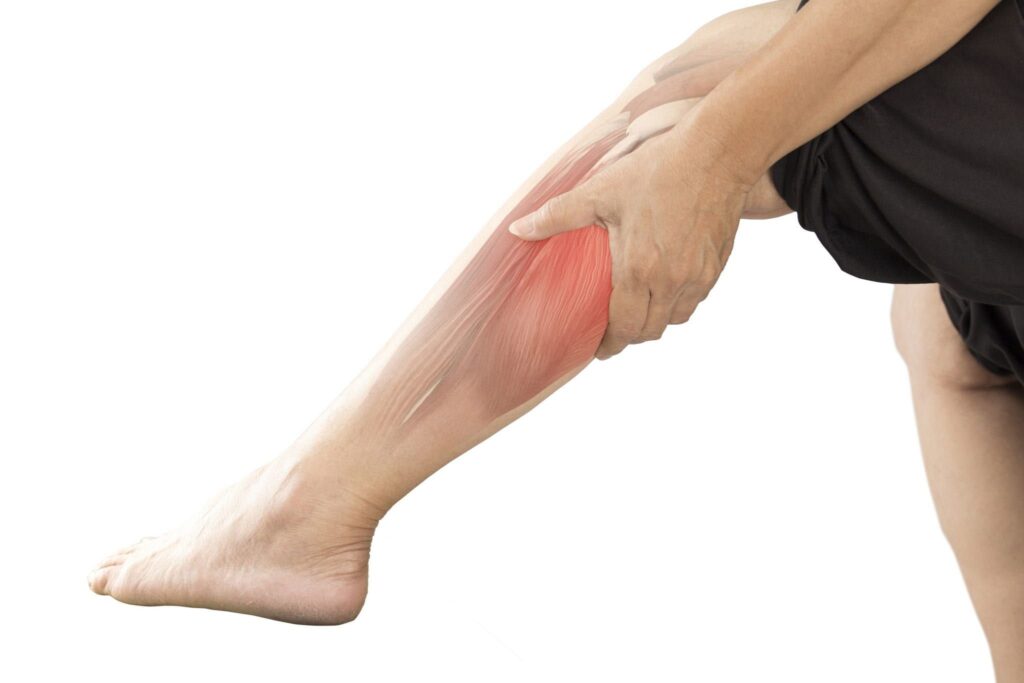
1. Frequent Muscle Cramps or Spasms
If your legs cramp up at night or you notice twitching and tightness, it may signal low magnesium. The mineral helps muscles relax, and a deficiency can cause painful or involuntary contractions.
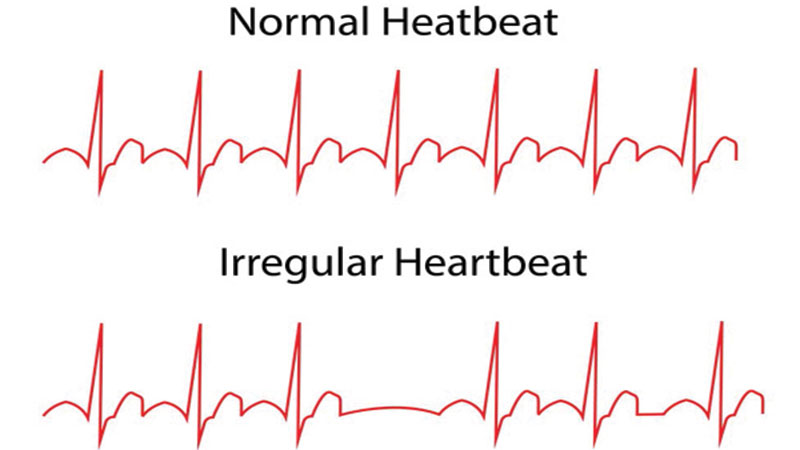
2. Irregular Heartbeat or Palpitations
Magnesium is key for steady heart rhythm. Low levels can cause fluttering, skipped beats, or more serious irregularities. Persistent symptoms should be checked by a doctor.


3. Constant Fatigue and Weakness
Feeling drained and low on energy despite adequate rest could be linked to low magnesium. It plays a role in producing energy at the cellular level, so a shortage can leave you feeling weak.
4. Digestive Problems and Constipation
Magnesium supports smooth movement of the digestive tract. Without enough of it, you may experience bloating, slow digestion, or constipation.
5. Tingling or Numbness
Deficiency can interfere with nerve function, leading to tingling, numbness, or a pins-and-needles sensation in the hands, feet, or face.

6. Trouble Sleeping
Low magnesium levels can affect melatonin production and the nervous system, making it harder to fall asleep or stay asleep.

7. Mood Swings, Anxiety, or Irritability
Your mental health can also take a hit. Deficiency may contribute to anxiety, poor focus, irritability, and in some cases, depressive symptoms.

8. Frequent Headaches or Migraines
Magnesium helps regulate blood flow and nerve signals. A lack of it may increase the risk of headaches or migraines.
Note: This information is for educational purposes only. It’s not a substitute for medical advice. If you notice these symptoms, consult a healthcare professional for proper guidance.