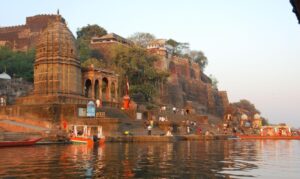
Goa’s Unique Diwali Tradition: Celebrating the Triumph of Light on Narakasura Chaturdashi

Goa’s Unique Diwali Tradition: Celebrating the Triumph of Light on Narakasura Chaturdashi ( Representational Image )
Narakasura Chaturdashi, also known as Choti Diwali, falls on Thursday, October 31, in 2024. This festival marks Lord Krishna’s victory over the demon king Narakasura, celebrating the triumph of light over darkness. Hindus across India observe Narak Chaturdashi with unique regional customs. In Goa, this day holds particular significance and is celebrated with vibrant enthusiasm, embodying the spirit of good prevailing over evil. Let’s explore the colorful and spirited celebrations of Narak Chaturdashi in Goa.
Traditions :
Goa
In Goa, Narak Chaturdashi holds a special place in the hearts of the people. Communities come together to make large effigies of Narakasura from paper and grass, filling them with firecrackers. These effigies are paraded through the streets and then set ablaze in a grand spectacle. The burning of the effigies represents the destruction of evil and serves as a cleansing ritual for the community.
West Bengal
In West Bengal, this day is also known as Bhoot Chaturdashi. It is believed that the souls of departed ancestors visit their loved ones on this day. People light 14 lamps, one for each of the last 14 generations, to guide and honor these visiting souls.

The Legend Behind Narak Chaturdashi
Narak Chaturdashi commemorates Lord Krishna’s victory over the tyrant demon king Narakasura, who terrorized heaven and earth. The gods sought help from Lord Krishna, who, alongside his wife Satyabhama, defeated Narakasura, freeing captives and restoring peace. This victory is celebrated as Narak Chaturdashi, a reminder that good ultimately prevails over evil.
Unique Traditions in Goa
In Goa, the celebration of Narak Chaturdashi is vibrant and distinctive. The burning of Narakasura effigies is a major attraction. These intricately designed effigies are paraded and then set ablaze, symbolizing the defeat of evil and the renewal of positive energy. The event unites communities in a shared celebration of victory and goodness.
Early Morning Rituals
Celebrations in Goa start early, with people rising before dawn to take a ritualistic bath. This bath, often using aromatic oils and herbs, is believed to purify the mind and soul. After the bath, they dress in new clothes and offer prayers to their deities, seeking blessings for a prosperous year ahead. Families gather for a festive breakfast featuring special dishes and sweets, marking the beginning of a positive new chapter.
Festive Decorations
Goan homes come alive with vibrant decorations on Narak Chaturdashi. People create intricate rangolis at the entrances, light oil lamps (diyas) to ward off darkness, and adorn doorways with torans (decorative hangings). These decorations fill homes with joy and welcome positive energy, creating a warm and festive atmosphere.
Community Celebrations
In Goa, Narak Chaturdashi is celebrated not only with family but also with the entire community. Cultural performances, music, and dance enhance the festivities, fostering a sense of unity and togetherness.
The Spirit of Narak Chaturdashi
For Goans, Narak Chaturdashi is a celebration of life, light, and harmony. As the effigies burn, they symbolize the destruction of negativity and encourage people to reflect on their actions. The glowing diyas remind us of the eternal light within, guiding us toward a brighter, joyful future.