Why ‘Pur’ is Found in the Names of Cities and Villages in India: A Historical Insight
Why 'Pur' is Found in the Names of Cities and Villages in India: A Historical Insight
Discover the origins and significance of the suffix ‘Pur’ in place names across India.
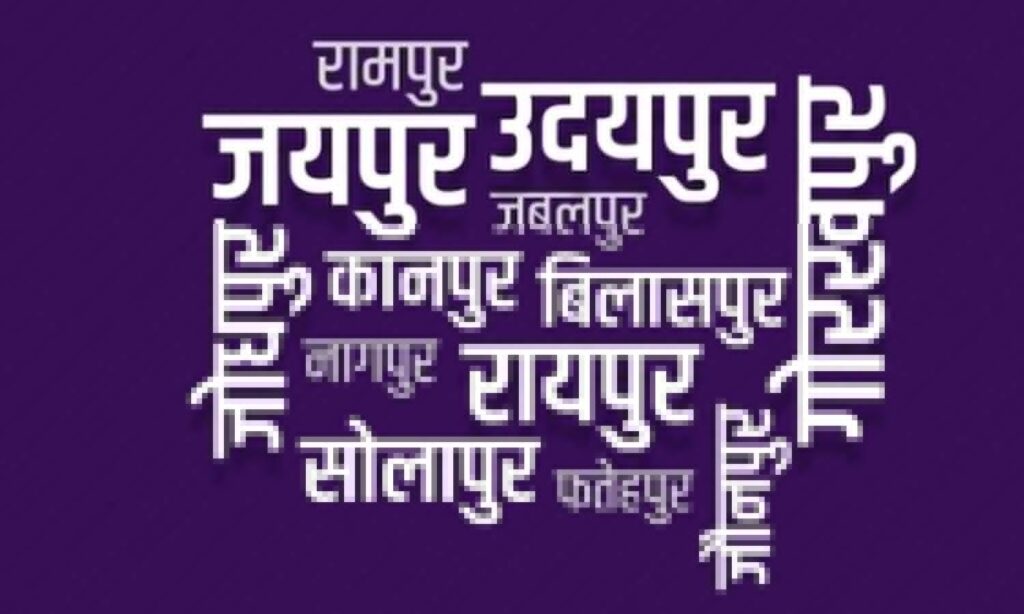
Names are more than just labels; they hold historical, cultural, and linguistic significance. In India, the suffix ‘Pur’ is a common feature in city and village names, representing centuries of tradition and heritage. Cities like Jaipur, Kanpur, Udaipur, and Raipur all bear this distinctive mark. But why is ‘Pur’ so widely used? Let’s dive into its origins and meaning.
Origins of ‘Pur’ in Place Names
The word ‘Pur’ originates from ancient Sanskrit and is mentioned in the Rigveda, one of the oldest texts in human history. In Sanskrit, ‘Pur’ translates to “city” or “fort.” During ancient times, kingdoms and cities were often established by kings and rulers who added ‘Pur’ to signify a fortified settlement or a royal domain.

For example:
• Jaipur: Named after Raja Jai Singh, who founded the city.
• Kanpur: Thought to derive from Kanhiyapur, referring to Lord Krishna (Kanhaiya).
• Udaipur: Named after Maharana Udai Singh II, who established the city.
Historical Significance
The use of ‘Pur’ reflects the practice of rulers naming cities to establish identity and authority. A ruler’s name, combined with ‘Pur,’ denoted ownership or dedication, symbolizing the king’s city or land. These cities became central hubs of culture, trade, and administration.
Other linguistic traditions also influenced naming conventions:
• In Afghanistan and Iran, ‘Kot’ and ‘Bad’ are commonly used. Examples include Tarynkot and Fayzabad.
• Similarly, in India, names like Rampur or Sultanpur represent places linked to specific rulers or figures.
Cultural Reflections in Names
Indian place names often encapsulate local heritage:
• Natural Landmarks: Names like Nagpur (Nag = snake) highlight regional features.
• Religious Significance: Places like Gorakhpur honor saints, such as Guru Gorakhnath.
• Royal Legacy: Cities such as Mubarakpur or Janakpur reflect regal or mythological connections.
Global Comparisons
Neighboring countries like Afghanistan and Iran showcase similar naming patterns with terms like ‘Kot’ (fort) and ‘Bad’ (place). Examples:
• Tarynkot: Likely signifies a forted area.
• Fayzabad: Indicates a place of blessings or prosperity.
The suffix ‘Pur’ in Indian place names is a testament to the country’s ancient history and cultural richness. It symbolizes more than geography; it represents the identity, legacy, and aspirations of the people who built and inhabited these cities. From Sanskrit origins to modern-day usage, ‘Pur’ continues to remind us of India’s layered history and linguistic diversity.
So, next time you come across a name ending in ‘Pur,’ remember, it’s not just a name, but a story of kings, heritage, and history!