Income Tax Rules: Cash Deposit Limits in Savings Accounts to Avoid I-T Notices
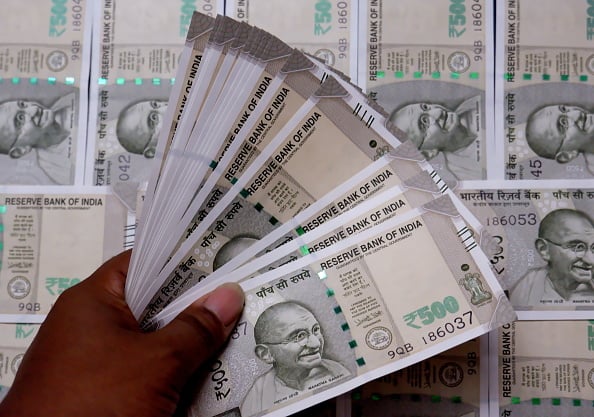
Income Tax Rules: Cash Deposit Limits in Savings Accounts to Avoid I-T Notices
Managing cash deposits in your bank account is crucial to staying compliant with income tax regulations and avoiding scrutiny from tax authorities. Experts highlight key limits and rules set by the Income Tax Department that individuals must follow.
Cash Deposit Limits in Savings Accounts
Annual Limit: Cash deposits across all your savings accounts should not exceed ₹10 lakh in a financial year (April 1 to March 31). Banks are required to report deposits above this threshold to the Income Tax Department.

Daily Limit: You cannot accept cash payments of ₹2 lakh or more from a single person in one day, either in one transaction or related to a single event.
High-Value Transactions and Reporting
Depositing more than ₹10 lakh in cash within a financial year is considered a high-value transaction. Under Section 114B of the Income Tax Act, 1962, banks must report such transactions. Additionally:
Depositing cash of more than ₹50,000 in a single day requires you to provide your PAN.
If you don’t have a PAN, you must submit Form 60 or Form 61 as an alternative.
Responding to I-T Notices
If you receive a notice from the Income Tax Department regarding high-value transactions, follow these steps:
1. Provide Documentation: Submit bank statements, investment records, or inheritance documents to validate the source of your funds.
2. Seek Expert Advice: Consult a certified tax advisor to ensure compliance and address concerns effectively.
Section 269ST Guidelines
Section 269ST restricts cash transactions of ₹2 lakh or more under these conditions:
From a single person in a day.
In relation to a single transaction.
For transactions linked to a single event or occasion.
Plan Your Finances Carefully
To avoid triggering alerts, keep cash deposits within the prescribed limits and ensure proper documentation for all high-value transactions. Consulting a tax advisor can help you navigate complex rules and maintain compliance.
Disclaimer: The information provided is for general guidance and does not constitute financial or legal advice. Please consult a certified tax expert for personalized recommendations.