Can Black Plastic Containers Cause Cancer? The Risks You Need to Know

Can Black Plastic Containers Cause Cancer? The Risks You Need to Know
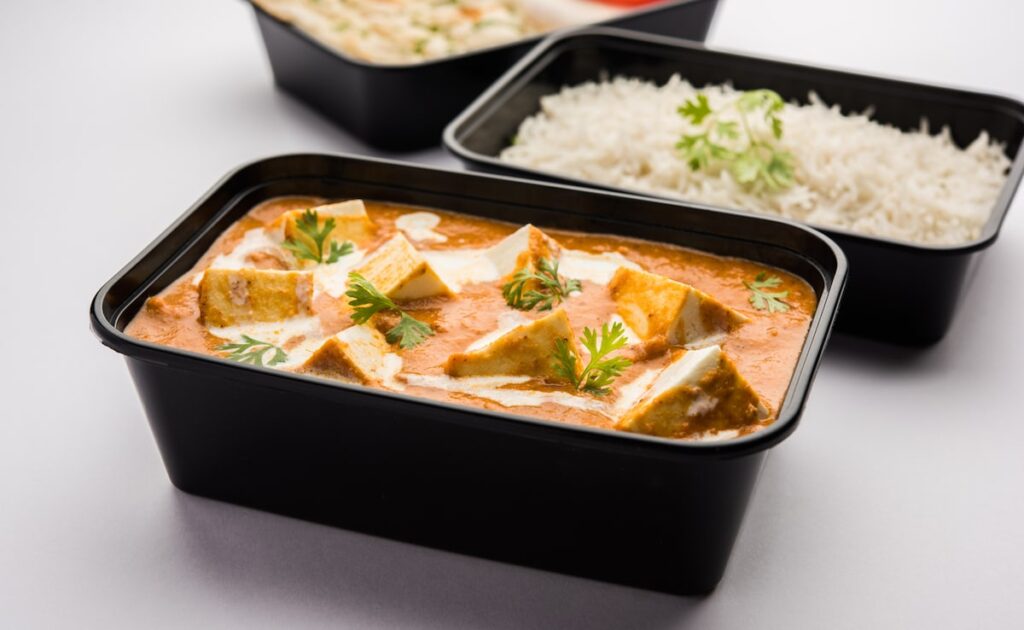
A recent online discussion has sparked worries about the safety of plastic containers used for food delivery. The concern stems from the fact that these containers are made from ‘black plastic,’ a material that is more prevalent in our daily lives than many realize. Black plastic is frequently used to create various items like food trays, containers, and utensils. Often, it is made from recycled materials, including old electronics, and is treated with chemicals to improve flame resistance. However, certain substances, such as decaBDE, are not firmly contained within the plastic and can leak into food, especially when the food is hot, oily, or acidic. This conversation gained traction after an influencer shared a viral Instagram video cautioning against the use or reuse of black plastic containers for food storage or heating in the microwave.

A senior health expert has addressed common questions related to this topic. Here are some common FAQs about black plastic containers:
1. What is black plastic, and can these black plastic food containers actually cause cancer?

Yes, potentially. While there are no direct studies that establish a clear connection, there are enough harmful chemicals found in these black containers that can leach into food and cause serious issues. Many of these chemicals are known as endocrine disruptors, meaning they can mimic hormones and disrupt the normal hormonal balance in the body, which could lead to conditions like cancer. In addition to cancer, these chemicals can also contribute to problems like PCOD and thyroid issues. The link to cancer is particularly significant with carbon black, a known carcinogen used to give these containers their color, along with other chemicals in the plastics that may disrupt normal bodily functions and lead to diseases, especially cancer.
2. How does cancer arise from using these containers?
The chemicals that leach from the plastic can interfere with normal cell functions, with some known carcinogens impacting hormone regulation, particularly in relation to breast cancer. Endocrine disruptors can disrupt the body’s hormones, increasing the risk of cancer. Furthermore, black plastic may release microplastics into food, which have now been associated with various diseases, ranging from heart disease to cancer.
Instagram Link
3. Are there any safer alternatives to black plastic for food storage and packaging?
Using steel and glass utensils are much better options available. In India, people also have the option to use earthenware, ensuring that the mud used is lead-free and that no harmful paints or chemicals are applied. If safety is the priority, steel and glass remain the best choices.
4. Based on your expertise, do you recommend avoiding the use of black plastic food containers?
Yes, definitely. It is recommended to minimize the use of not just black plastic food containers but plastic in household chores too, particularly when storing hot or cold food in refrigerators or using them in microwaves. The change in temperature can cause these harmful chemicals to release into the food, potentially leading to diseases like cancer and other lifestyle issues.

5. What other health problems are linked to black plastic food containers besides cancer?
The chemicals in these plastics are endocrine disruptors, meaning they can interfere with the normal functioning of your endocrine system. This disruption can lead to various health issues like PCOD (Polycystic Ovary Disease), diabetes, and thyroid problems. In men, these chemicals can also cause prostate issues, particularly prostate cancer. Moreover, when children are exposed to these chemicals, it can potentially lower their IQ or negatively affect their neurological development.
6. How serious is the risk of cancer from using black plastic food containers?
While there isn’t a specific study that quantifies the exact number of cases or the years of using plastic that can lead to cancer, it’s generally understood that the more you’re exposed to these plastics, the higher the risk. The harmful chemicals in black plastic can accumulate in the body over time, potentially increasing the likelihood of developing cancer and other health issues. Therefore, reducing exposure to these materials is advisable to lower your overall risk.
7. How can someone protect themselves from plastic exposure and lower the risk of cancer associated with it?
To stay safe from plastic exposure and reduce cancer risk, you should live like your grandparents did. Focus on eating local, seasonal, and fresh foods, and try to minimize your reliance on outside food. It’s important to avoid storing and reheating food in plastic containers. Instead, choose safer alternatives such as banana leaves, bamboo, earthenware, steel, and glass for storing and serving food. In India, there are plenty of options for safe utensils made from banana leaves and bamboo, which can effectively replace plastic containers.
Environmental Effects Of Black Plastic:
The environmental effects of black plastic are considerable. It is challenging to recycle and often ends up in landfills or incinerators, where it emits harmful substances such as dioxins and furans into the atmosphere. These substances are recognized as carcinogens when inhaled over long periods. Additionally, microplastics from black plastic can pollute food, water, and air, leading to inflammation, oxidative stress, and damage to cells in the human body. Researchers are still investigating the long-term health effects of these materials.
Reducing contact with black plastic is important for health. Experts strongly advise against using black plastic for storing and preparing food, recommending safer materials like glass or stainless steel to limit exposure to harmful substances. Additionally, it’s best to avoid heating food in black plastic containers, whether in a microwave or by other means, as this can lead to toxic chemicals leaching into the food, which can be dangerous to health.
Even in small amounts, these toxic chemicals can lead to serious reproductive and developmental issues, damage to the brain and kidneys, disrupt thyroid function, and cause long-lasting neurological harm.
In summary, black plastic poses a considerable risk to human health, making it crucial to limit exposure to this harmful material. To reduce the risk of exposure to toxic chemicals in black plastic, it’s advisable to avoid using it for food storage, replace black kitchen utensils, and opt for safer alternatives. Health experts recommend using materials like glass or stainless steel containers and switching to wooden or stainless-steel utensils.
Disclaimer: The information presented in this article is for educational purposes only and should not be considered medical advice. While we aim to provide accurate and up-to-date information, please consult a qualified healthcare professional for any concerns regarding food safety and health risks associated with plastic containers.