Earn Rs 1.50 for Every Five Mosquitoes Dead or Alive: Philippine Village Takes on Dengue with Cash Incentives
Earn Rs 1.50 for Every Five Mosquitoes Dead or Alive: Philippine Village Takes on Dengue with Cash Incentives
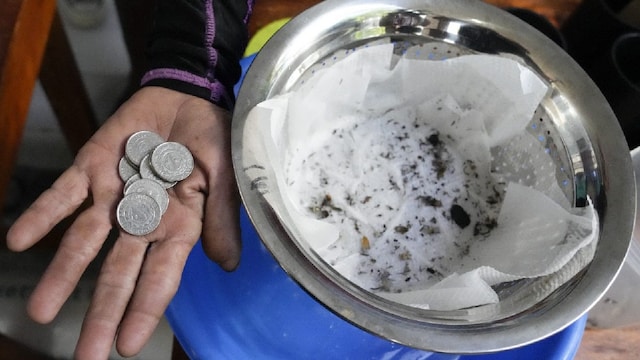
A village in the heavily populated capital region of the Philippines started a campaign against dengue on Wednesday by offering a small reward to residents for capturing mosquitoes, whether they are dead or alive.
This unique approach taken by Addition Hills village in Mandaluyong City comes in response to rising concerns after Quezon City nearby declared a dengue outbreak over the weekend. There have been eight additional areas that reported a rise in cases of this potentially life-threatening viral illness.
As of February 1, the Philippines has recorded at least 28,234 dengue cases this year, which is a 40% increase compared to the same time last year, according to the health department. Quezon City declared a dengue outbreak on Saturday after the number of deaths reached 10, mostly among children, out of 1,769 infected residents.

Addition Hills, an urban village with over 100,000 residents living in densely populated neighborhoods and residential towers, has been conducting clean-up efforts, clearing canals, and running hygiene campaigns to fight dengue. However, after cases surged to 42 this year and two young students lost their lives, village leader Carlito Cernal decided to escalate their efforts against the disease.
“Cernal told The Associated Press, ‘There was an alarm. I found a way.’
According to Cernal, residents will receive a reward of one Philippine peso (just over one cent) for every five mosquitoes or mosquito larvae they bring in. However, critics have cautioned that this strategy could have unintended consequences if people start breeding mosquitoes to collect the rewards. Cernal believes this is unlikely, as the campaign will be discontinued once the rise in cases subsides.
At the start of the campaign, around a dozen mosquito hunters arrived at the village office. Miguel Labag, a 64-year-old scavenger, brought in a jug containing 45 wriggling mosquito larvae in water and received a reward of nine pesos (15 cents).
‘This is a big help,’ Labag said with a smile. ‘I can buy coffee.'”
Dengue is indeed a significant health concern in tropical countries, transmitted by mosquitoes. The symptoms can range from mild to severe, including joint pain, nausea, vomiting, and rashes. In severe cases, it can lead to serious complications like breathing problems, hemorrhaging, and organ failure. Unfortunately, there is no specific treatment for dengue; however, maintaining proper fluid levels is critical for recovery.
In response to the dengue outbreak, officials in another village in Quezon City are considering an interesting approach by potentially releasing swarms of frogs to help control the mosquito population.
Health Secretary Teodoro Herbosa emphasized the importance of cleaning up areas where mosquitoes breed and urged anyone showing symptoms of infection to seek medical attention promptly. Despite the rise in dengue cases, he noted that the Philippines has been able to keep mortality rates relatively low.
The unexpected surge in dengue cases before the rainy season, which typically begins in June, is likely due to intermittent rainfall creating stagnant water pools that serve as breeding grounds for mosquitoes. Health Undersecretary Alberto Domingo pointed out that climate change could be a contributing factor to these off-season rain patterns.