Solapur University Tightens Academic Monitoring: Biometric Attendance for Professors, CCTV Surveillance in Classrooms from 2026
Solapur University Tightens Academic Monitoring: Biometric Attendance for Professors, CCTV Surveillance in Classrooms from 2026
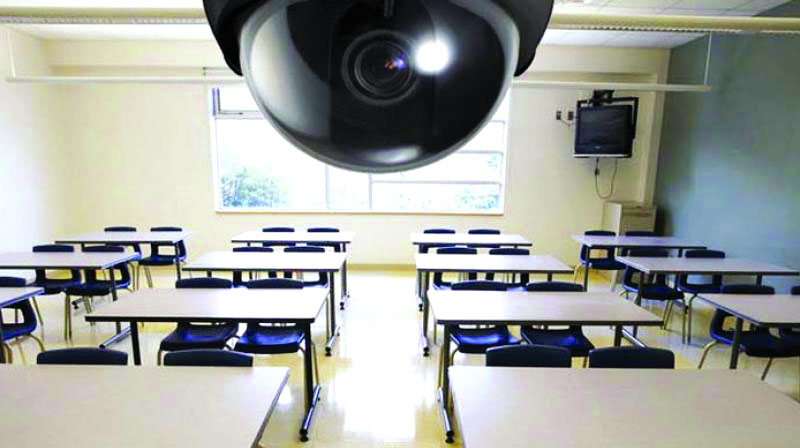
In a significant move aimed at boosting classroom discipline and improving the overall quality of education, Solapur University is gearing up to implement a tech-driven monitoring system across all its affiliated colleges. As part of the New National Education Policy (NEP) rollout, the university has announced that professors will soon be required to mark their attendance biometrically—right inside their classrooms, while CCTV cameras will be installed to keep track of daily teaching activity and student presence.
This decision marks a turning point for academic administration, aligning it with modern digital practices to ensure both accountability and consistency in the teaching-learning process.
What’s Changing and Why?

The university has clarified that this move isn’t just about technology—it’s about fostering a culture of punctuality, responsibility, and engagement. The new system will monitor whether classes are conducted regularly, how many students attend each session, and whether faculty members are present throughout their scheduled teaching hours.
With 108 affiliated colleges and 11 university campuses under its wing, Solapur University serves a vast academic community—over 70,000 students in affiliated institutions and more than 4,000 students on-campus. Despite regular scheduling of classes, ensuring consistent student attendance has remained a challenge. The upcoming measures aim to tackle this by introducing biometric attendance for faculty and real-time surveillance of classrooms via CCTV.
Biometric Attendance: When and How?
Starting from the 2026–27 academic year, all affiliated colleges will require professors to register their attendance twice a day—once at the beginning and once at the end of their teaching schedule. The system will begin its initial rollout on the university campus itself.
But before implementation, a special committee will be formed by the Vice-Chancellor to study the logistics, effectiveness, and potential impact of this system. Their report will lay the foundation for how and when the policy will be fully applied.
Inside the Plan: What Else Is Coming?
In addition to biometric systems, each classroom will be equipped with CCTV cameras. These will help ensure that all scheduled lectures are actually taking place, and provide university officials and college principals with valuable insights into student attendance trends and faculty engagement.
By digitizing attendance and class monitoring, the university hopes to create a transparent academic ecosystem that supports student learning outcomes and institutional rankings. In fact, factors such as job placements and academic performance—which heavily influence college ratings—are expected to benefit from these reforms.
Academic Calendar: What’s Next?
Meanwhile, the university is preparing to welcome students for the new academic session starting June 12, 2025. Final preparations are underway, including the evaluation of semester exams, which is nearly complete. Of the 1.82 lakh answer sheets, more than 90,000 have already been checked, and final results are expected to be declared shortly. After this, students will be given time to request photocopies of their evaluated sheets before results are finalized.