Stung by a Bee? Don’t Panic – Try These 6 Home Remedies to Ease the Pain and Prevent Complications
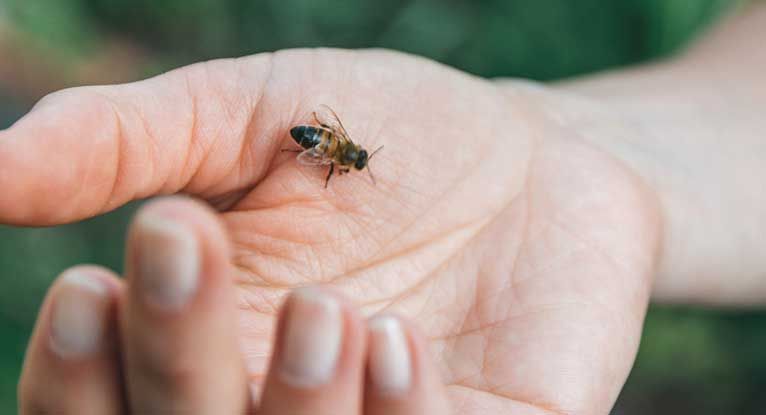
Stung by a Bee? Don’t Panic – Try These 6 Home Remedies to Ease the Pain and Prevent Complications
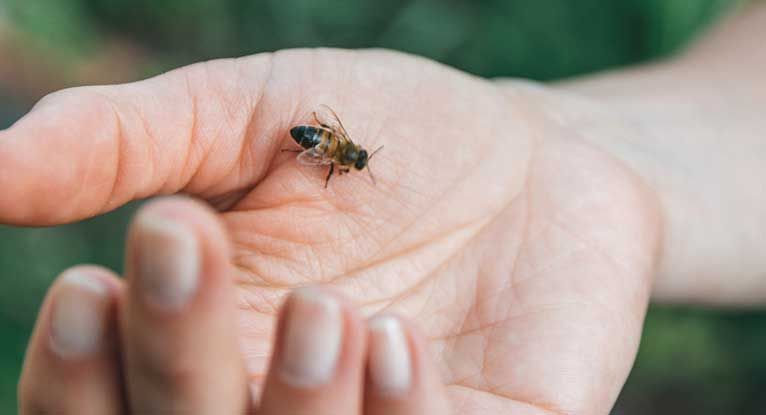
We often associate bees with honey, flowers, and the buzz of a calm afternoon. But what happens when that buzz turns into a sting? A bee sting, while usually harmless, can sometimes trigger intense pain or even serious allergic reactions in sensitive individuals. In rare but alarming cases, such stings have led to life-threatening situations, reminding us of how unpredictable nature can be.
The recent, tragic loss of Sanjay Kapoor—entrepreneur and former husband of Bollywood actress Karisma Kapoor—has brought attention to just how severe a bee sting reaction can be. Reports suggest he suffered an anaphylactic shock following a bee sting, which led to a sudden cardiac arrest. Though rare, such incidents highlight the importance of knowing how to respond quickly and effectively.
For most people, a bee sting causes localized symptoms such as swelling, redness, burning, and pain. The good news is that, if treated immediately, the discomfort can be minimized and the risk of the venom spreading can be significantly reduced. While it’s essential to seek medical help in case of severe symptoms, there are several effective home remedies you can try right away to get relief.

Here’s a complete guide on what to do immediately after a bee sting, and six easy home remedies that can help ease your pain and prevent further complications.
First Things First: What to Do Right After the Sting
Before you reach for any home remedies, the first and most important step is to remove the stinger as quickly as possible. Use your fingernails or a flat object like a credit card to gently scrape the sting out of the skin—avoid using tweezers, as squeezing the stinger may inject more venom.
Once the stinger is out, wash the affected area with clean water and pat it dry with a soft towel. Now you’re ready to apply some remedies to reduce swelling, itching, and discomfort.
6 Simple and Effective Home Remedies for Bee Stings
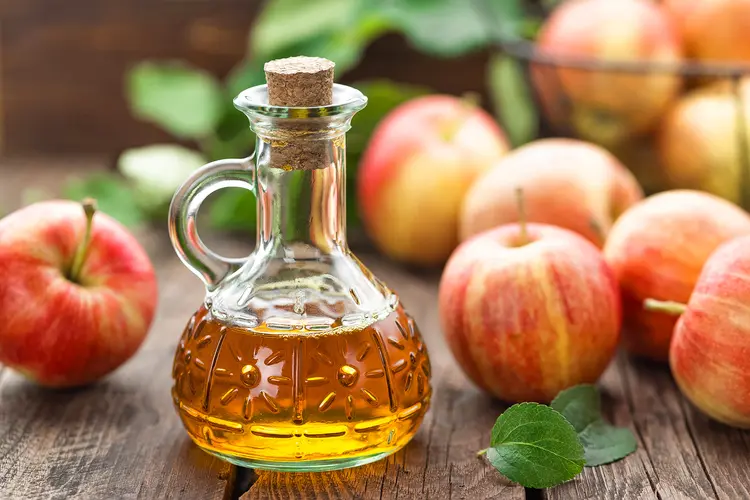
1. Apple Cider Vinegar Soak
Apple cider vinegar helps neutralize bee venom and reduces inflammation. It cools the skin and provides relief from itching and burning.
How to use:
Mix a small amount of apple cider vinegar in a bowl of cold water. Soak the stung area for about 10 to 15 minutes. This will help ease the swelling and calm the irritation.
2. Baking Soda Paste
This common kitchen ingredient can work wonders on a bee sting. Its alkaline nature helps counteract the acidity of the venom.
How to use:
Make a paste using 1 teaspoon of baking soda and a few drops of water. Apply it directly on the sting site and leave it on for 15 minutes. Rinse off with clean water. This will reduce itching, swelling, and redness.
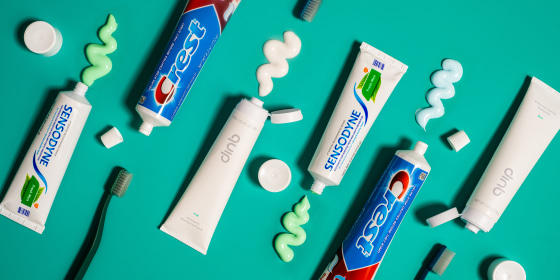
3. Toothpaste
It might sound strange, but toothpaste can be surprisingly helpful. Its alkaline properties can neutralize the venom and reduce discomfort.
How to use:
Apply a small amount of white (non-gel) toothpaste on the stung area. Leave it on for 10 to 15 minutes before rinsing. It will help soothe the skin and reduce the itch.
4. Ice Pack or Cold Compress
One of the fastest ways to bring down swelling and numb the pain is with cold therapy.
How to use:
Wrap a few ice cubes in a clean cloth and apply it to the affected area for 10-minute intervals. Do not apply ice directly to the skin. This will constrict blood vessels and slow the spread of venom.
5. Honey
Ironically, bee-made honey can help heal a bee sting! Honey has natural antibacterial and anti-inflammatory properties.
How to use:
Dab a small amount of raw honey on the sting. Leave it for 15 to 20 minutes, then rinse gently. This can help prevent infection and soothe the skin.
6. Aloe Vera Gel

Aloe vera is a skin-soothing superstar known for reducing inflammation and helping skin heal faster.
How to use:
Break a fresh aloe vera leaf and apply the gel directly to the sting. You can also use store-bought pure aloe vera gel. Reapply a few times a day for lasting relief.
When to Seek Medical Help
While these remedies can be helpful for mild to moderate reactions, don’t ignore the signs of a severe allergic reaction (anaphylaxis), which may include:
Difficulty breathing
Swelling of the face or throat
Rapid heartbeat
Dizziness or fainting
Nausea or vomiting
If any of these symptoms occur, seek emergency medical attention immediately.
A bee sting doesn’t have to ruin your day—or worse, put your health at risk. With the right knowledge and a few simple ingredients from your kitchen or medicine cabinet, you can manage the sting, reduce discomfort, and prevent complications. Still, never underestimate the possibility of a severe reaction. When in doubt, call a doctor without delay.
Nature has its way of surprising us, sometimes sweetly with honey, and sometimes sharply with a sting. Either way, being prepared makes all the difference.