Kakoda: Rare 90-Day Monsoon Veg with Powerful Health Benefits Locals Swear By
Kakoda: Rare 90-Day Monsoon Veg with Powerful Health Benefits Locals Swear By
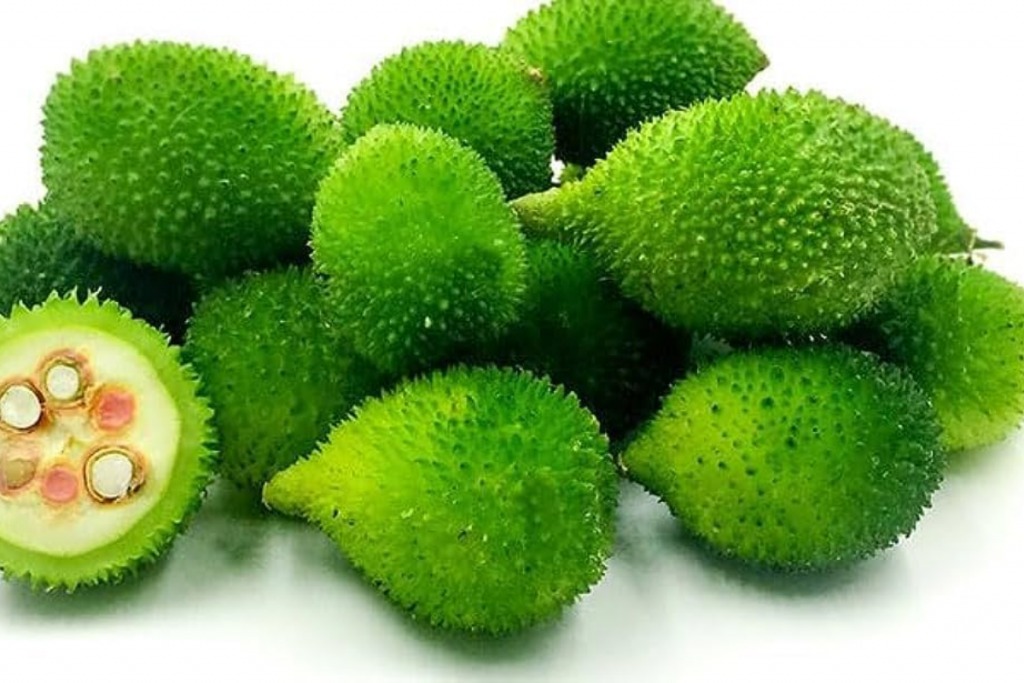
As the monsoon clouds roll in, a small green vegetable with spiky skin begins its brief but celebrated appearance across local markets in parts of Maharashtra. Known by many names—kakoda, kantola, kartula, or simply “crab” in some homes—this seasonal produce is available for only about 90 days, yet it leaves a lasting impression.
For those who’ve grown up in rural and tribal regions like the Sahyadris, Gondia, Kolhapur, and Konkan, kakoda isn’t just food—it’s tradition, health, and nostalgia rolled into one. Touted by grandmothers and Ayurvedic practitioners alike as a natural “body cleanser,” kakoda is rich in vitamins B1 to B12, calcium, magnesium, and zinc. Believers say it helps manage diabetes, regulate blood pressure, aid digestion, improve skin, and fight fatigue.
That said, health experts caution against treating it as a cure-all. Those with existing medical conditions should consult a doctor or Ayurvedic specialist before making it a daily staple.

In the kitchen, kakoda is delightfully simple. Most households rely on tried-and-true methods: slice it thin, sauté it in mustard oil with asafoetida, cumin, turmeric, onions, tomatoes, and spices, then cook it down with a splash of water. In about 20 minutes, it softens into a delicious, earthy dish best enjoyed with bajra bhakri or steamed rice.
But the story doesn’t end with sabzi. Across villages, kakoda is pickled to stretch its shelf life or sun-dried and stored for later. Some even use it creatively in pakoras. “Even the thorns aren’t wasted,” say some old-timers, proudly.
In cities, kakoda remains a rarity, often skipped in favor of year-round vegetables. But for those raised with it, kakoda is more than a fleeting ingredient—it’s a reminder of local wisdom, seasonal eating, and the quiet joy of recipes passed down by hand, not written in books.
In a world of frozen convenience and global produce, kakoda’s short-lived presence offers a gentle nudge to slow down and savour what grows close to home—if only for a season.