5 ‘Toxic’ Foods a Heart Expert Would Never Give Kids And What They Eat Instead
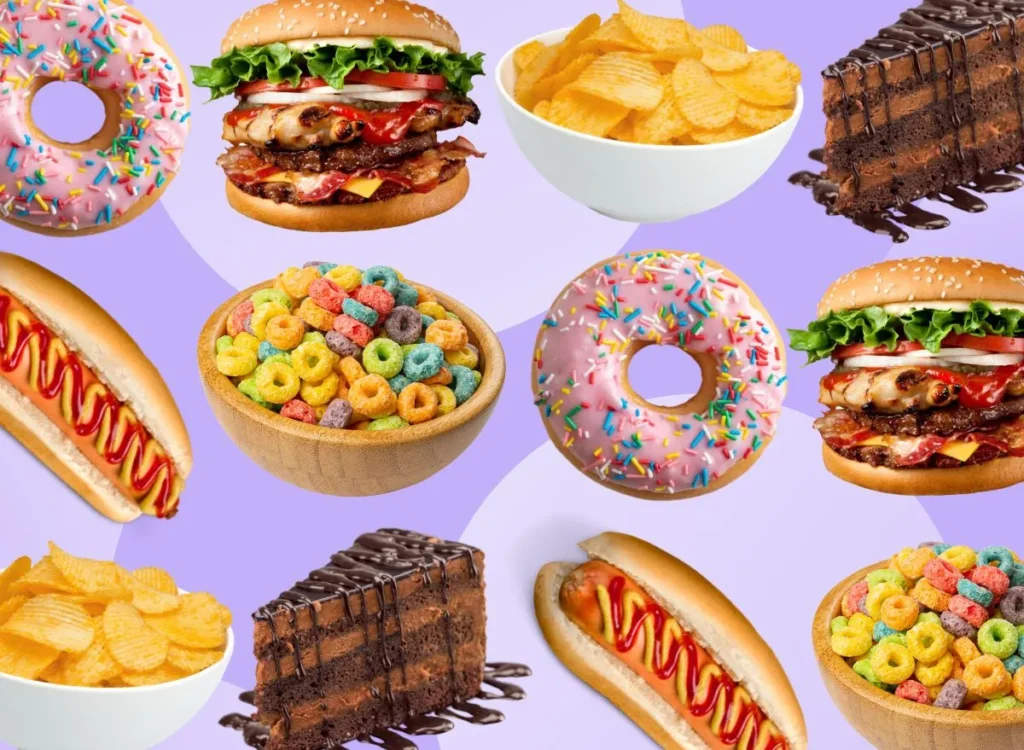
Cardiologist shares smart swaps every parent should know.
After decades of caring for patients suffering from heart disease, one doctor has developed strong opinions about what foods children should avoid, especially when long-term health is on the line. Here are five so-called “harmless” foods that are actually harmful, and the healthy alternatives

1. Microwave Popcorn
Why it’s risky: Most store-bought microwave popcorn bags are lined with PFAS, known as “forever chemicals,” which have been linked to immune suppression, birth defects, and other health issues. Additionally, the artificial butter flavoring can release compounds that damage the lungs when inhaled.

What they eat instead: Air-popped popcorn at home, drizzled with real melted butter or extra virgin olive oil for flavor and health.
2. Flavored Yogurts (especially kid-targeted brands)
Why it’s risky: These yogurts may boast high protein, but are often loaded with added sugars and artificial dyes. Portion sizes are so small that kids often consume multiple servings, tripling the sugar load without realizing it.
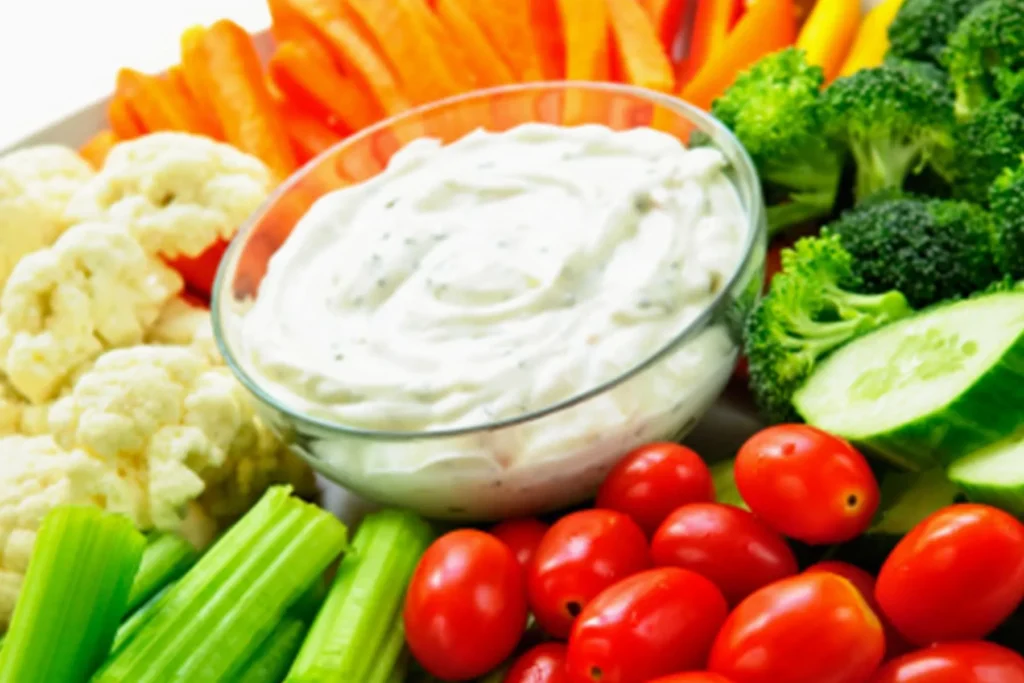
What they eat instead: Plain Greek yogurt sweetened naturally with a bit of local honey and topped with fresh berries, delicious and heart-healthy.
3. Processed Meats (like hot dogs and lunch meats)
Why it’s risky: These convenience foods are packed with sodium, nitrates, and preservatives that contribute to heart disease and cancer. They also disrupt nitric oxide production, which is critical for blood vessel health and blood pressure regulation.
What they eat instead: Grilled chicken, grass-fed beef, and plenty of plant-based proteins such as lentils, chickpeas, and quinoa.
4. Sugar-Loaded Breakfasts
Why it’s risky: According to metabolic expert Dr. Robert Lustig, the average kid consumes more sugar at breakfast than their bodies can handle in three days. This causes blood sugar crashes mid-morning, impacting focus and energy.
What they eat instead: Balanced breakfasts with fruit, eggs with vegetables, or a fiber-rich smoothie made with healthy fats. For hydration, they stick to filtered water, occasionally infused with fresh fruit not sugary juices or sodas.
5. Deep-Fried Foods
Why it’s risky: Deep frying at high heat in reused industrial oils produces harmful compounds like acrylamides and advanced glycation end products (AGEs) that fuel inflammation. Worse, these foods condition kids’ taste buds to crave that crunchy, greasy texture.
What they eat instead: Crispy alternatives made in an air fryer like sweet potato fries, roasted veggies, or homemade veggie chips. They get the crunch, minus the crash.
The key is not perfection, but progress—small, smart swaps, made daily, can shape lifelong habits. Avoid hidden seed oils, prioritize whole foods, and get kids involved in the kitchen to help them value what they eat.
Healthy hearts start at home.